

Affordable Food Tips When Travelling on a Budget
Travelling is one of life’s great pleasures, but it can quickly become costly, especially when it comes to food. For many travellers, eating out three times a day in tourist hotspots can drain their wallets faster than expected. The good news? You don’t have to sacrifice flavour or cultural experiences to stick to a tight budget. With smart planning and a few tricks up your sleeve, you can enjoy budget meals that are both tasty and affordable.
In this article, we’ll explore practical and effective cheap food travel strategies. Whether you’re backpacking across Europe, exploring bustling Asian markets, or road-tripping through the UK countryside, these travel food tips will help you save money without missing out on local cuisine.
Why Finding Affordable Food Is Crucial When Travelling
When planning a trip, flights and accommodation often dominate the budget. However, food can add up to a significant daily expense. Eating every meal at tourist restaurants or hotel eateries often means inflated prices. This can limit how long you stay or the activities you choose.
By focusing on affordable eating, you free up resources to enjoy more experiences, extend your trip, or simply feel less financial stress. Plus, eating like a local often offers a richer cultural experience than grabbing meals in crowded tourist spots.
Plan Ahead for Budget Meals
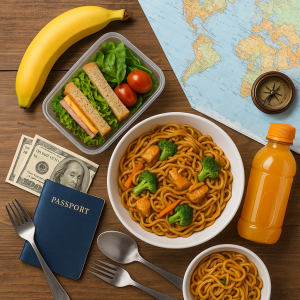
One of the best travel food tips to save money is to prepare ahead. This doesn’t mean you need to slave over meal plans, but simply taking a little time to research and pack essentials can make a world of difference.
Pack Smart Snacks
Bringing along some portable snacks like nuts, dried fruit, granola bars, or crackers means you won’t need to raid expensive convenience stores or vending machines when hunger strikes. These snacks keep you fuelled between meals, helping to curb overeating or impulse buys.
Research Local Markets and Supermarkets
Before arriving, find out where local supermarkets or fresh markets are in the area. These places offer fresh, inexpensive ingredients for self-catering or quick meals. On many trips, buying fresh bread, cheese, fruit, and deli items is far cheaper and often tastier than a restaurant meal.
Consider Accommodation with Kitchen Facilities
Opting for hostels, guesthouses, or Airbnbs with cooking facilities gives you the option to prepare your own food. This raw approach to budget meals is one of the most reliable ways to eat cheaply. Even simple breakfasts or one-pot dinners can slash your food budget dramatically.
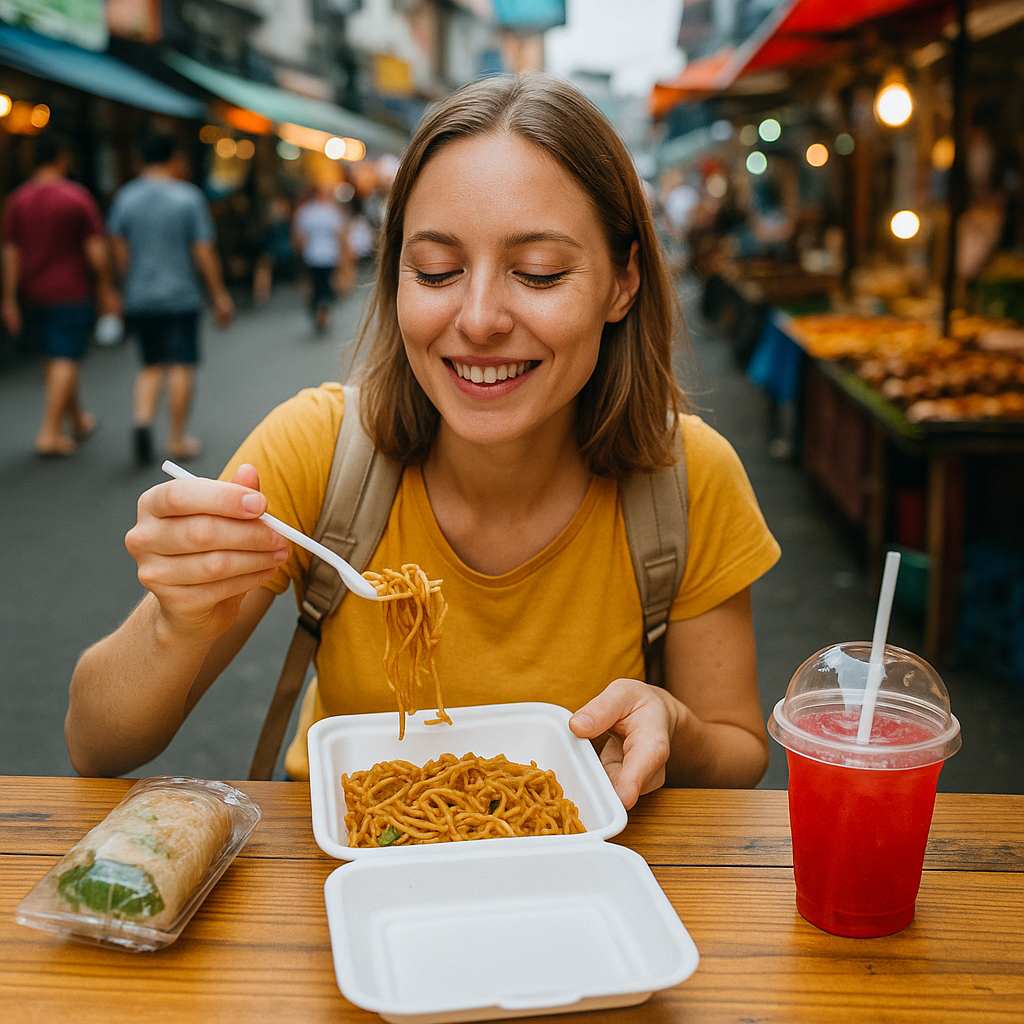
Embrace Local Street Food for Cheap Food Travel
Street food is the heart of many cultures and a fantastic way to enjoy authentic flavours at low prices. It is usually freshly prepared, served quickly, and tailored to local tastes.
Know Where to Find the Best Street Vendors
Ask locals or other travellers for recommendations, or seek out busy stalls. High turnover usually means fresher food and better value. Markets and food stalls in less touristy neighbourhoods often serve cheaper meals than central tourist districts.
Try Local Specialities
Every destination has dishes unique to that region. Sampling these not only enhances your cultural experience but also tends to be more economical than international or processed dishes.
Watch Hygiene Standards
Even on a budget, food safety is key to avoid ruining your trip with illness. Choose stalls with visible cooking, clean surroundings, and plenty of customers to reduce risk.
Make the Most of Breakfast and Lunch Deals
Many restaurants offer budget meals during breakfast or lunch to attract customers during quieter hours.
Take Advantage of Set Menus
Look out for set or fixed-price menus which bundle multiple courses for a discounted rate. These meals can provide great value at sit-down establishments.
Opt for Local Cafés over Tourist Restaurants
Small local cafés tend to have better-priced meals than run-of-the-mill tourist eateries. These are often populated by locals and offer more authentic options.
Cook Your Own Meals on the Go
For those travelling with enough time and flexibility, preparing your own meals can be most cost-effective and satisfying.
Use Portable Cooking Equipment
Items like a small camping stove or electric kettle can allow you to prepare hot meals in hostels, campsites, or even hotel rooms with kitchenettes.
Embrace Simple Recipes
Think sandwiches, salads, pasta, or stir-fries using fresh, local ingredients. These meals require minimal preparation and can be packed for picnics or day trips.
Store Leftovers Wisely
If you have access to refrigeration, storing leftovers can reduce waste and provide quick meals or snacks later on.
Utilise Technology to Discover Budget-Friendly Food Options
Apps and websites have revolutionised how we find cheap eats while travelling.
Use Mobile Apps Focused on Cheap Food Travel
Apps like HappyCow (for vegetarian options), Yelp, TripAdvisor, or local equivalents often list budget-friendly restaurants, street food vendors, and regional food markets. Filtering by price, reviews, and distance makes choosing easier and more reliable.
Join Travel Forums and Social Media Groups
Online communities are excellent for insider tips. Fellow travellers regularly share where to find the best budget meals in a given location.
Drink Smart to Keep Costs Down
Beverages are an often-overlooked expenditure on trips.
Opt for Tap Water When Safe
In many destinations, tap water is perfectly safe and free. Bringing your own refillable water bottle saves money and reduces plastic waste.
Buy Drinks from Supermarkets or Markets
Bottled drinks, coffee, or soft drinks are usually far less expensive to buy in store than at cafés or tourist spots.
Enjoy Local Beverages Moderately
Where it fits your budget, sampling local beers or wines in modest quantities can enrich your experience without breaking the bank.
Avoid Tourist Traps and Overpriced Areas
Tourism hotspots are notorious for inflating food prices.
Explore Neighbourhoods Off the Beaten Path
By venturing a little away from main attractions, you’ll find cafes, diners, and markets frequented by locals. You benefit from authentic, reasonably priced meals.
Steer Clear of ‘Meal Deals’ Targeted at Tourists
These often have standardised, generic meals at premium prices. Instead, look for places where locals eat or food trucks serving fresh options.
Be Mindful of Portion Sizes and Sharing
Budgets can often stretch further when you’re savvy about quantities.
Share Large Dishes
Many restaurants serve generous portions suitable for sharing. This practice not only cuts costs but also lets you sample more dishes.
Avoid Overordering
Ordering drinks, starters, and desserts add up quickly. Focusing on one well-chosen dish reduces waste and saves money.
Use Loyalty Cards or Student Discounts
Many cafes and fast-food outlets offer loyalty programmes or discounts.
Collect Stamps or Points
If you frequent the same chains or local eateries, these can result in free or discounted meals.
Carry Identification for Discount Eligibility
Students, young travellers, or seniors may be entitled to special offers. Always ask politely.
Summary: Mastering Affordable Food While Travelling
Eating well without overspending is entirely possible with a little planning, awareness, and adventurous spirit. To recap:
- Research and bring snacks to avoid impulse spending.
- Embrace local markets and self-catering options.
- Dive into street food for authentic and inexpensive tastes.
- Look out for breakfast and lunch deals.
- Use technology to uncover hidden gems and cheap eats.
- Drink wisely, focusing on water and local options.
- Avoid tourist traps by exploring less prominent areas.
- Share meals and watch portion sizes.
- Utilise discounts and loyalty offers.
Budget meals don’t mean bland or boring. With the right mindset and preparation, delicious and culturally rich food experiences are within every traveller’s reach, even on a shoestring budget. Keep these travel food tips in mind to make your next adventure both flavourful and financially savvy.
Feel free to bookmark this guide next time you’re setting off on your journey. Your wallet — and taste buds — will thank you. Safe travels and happy eating!