
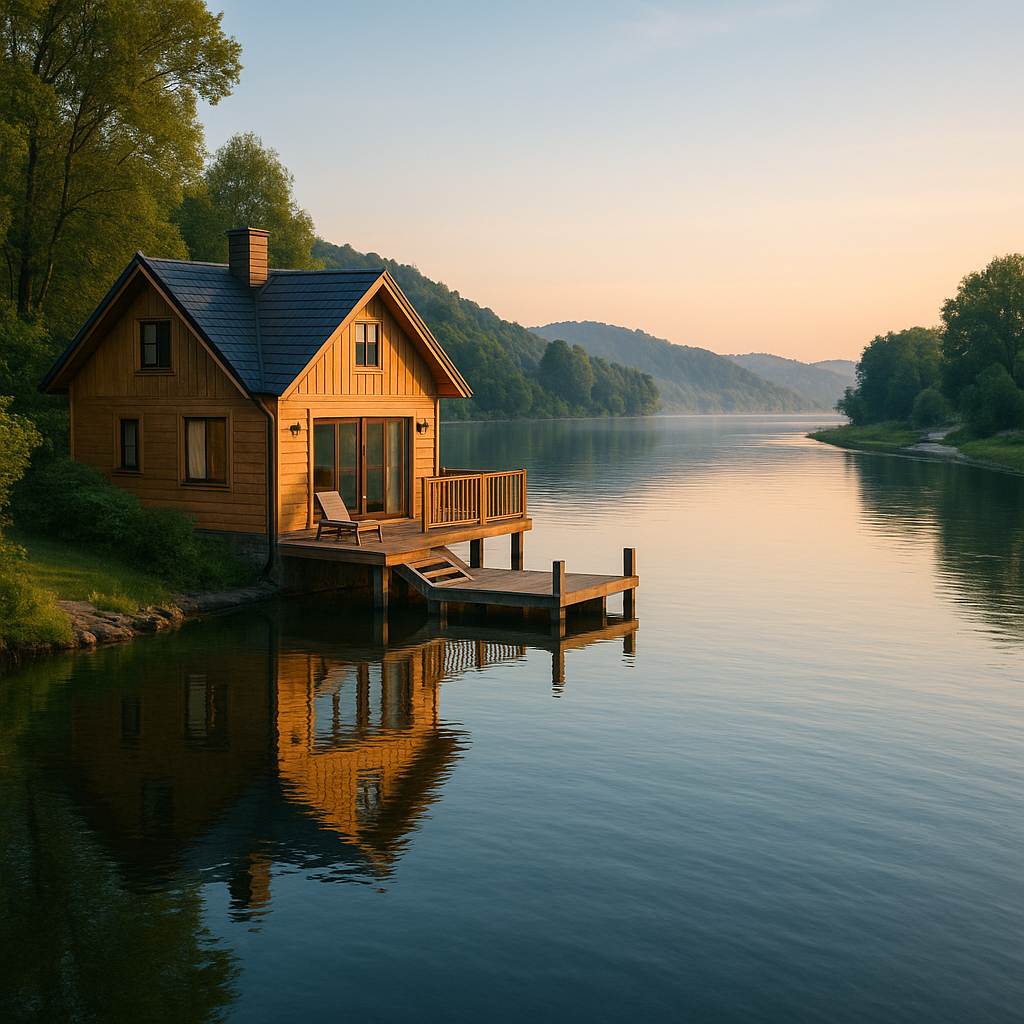

Where to Stay Near Lakes and Rivers
Choosing the right base can shape the feel of an entire trip, and scenic water destinations have a way of making even a short stay feel restorative. Whether you’re planning gentle lake holidays, unrushed river breaks, or simply searching for peaceful water escapes, staying close to water offers a sense of calm, easy access to nature, and a ready-made backdrop for slow days and outdoor adventure. Staying close to water is a popular choice for travellers looking for scenic lakeside and riverside accommodation that balances nature with comfort.Why lakes and rivers make excellent travel bases
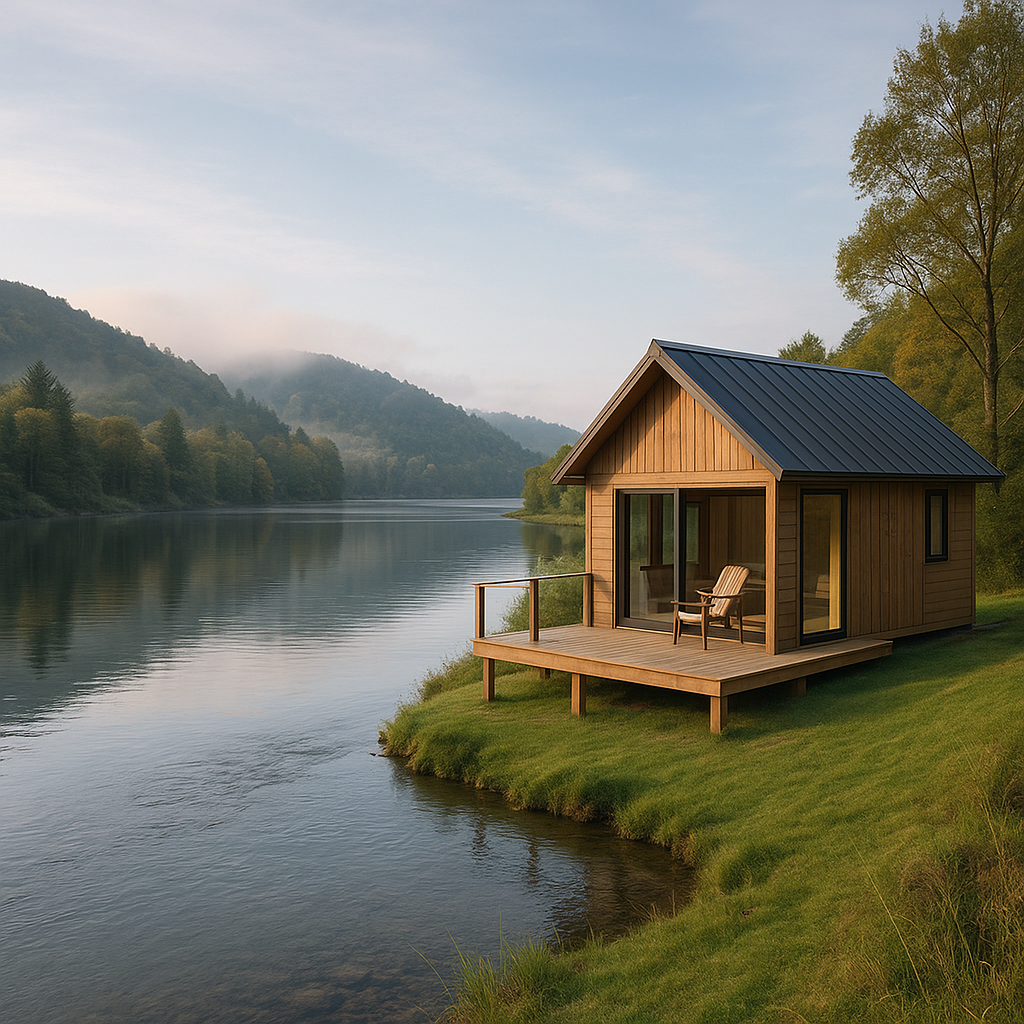 Lakes and rivers naturally lend themselves to trips that balance activity with downtime. They’re often surrounded by footpaths, small villages, wildlife-rich areas, and natural viewpoints —meaning you can fill your days without spending much time in transit.
A built-in sense of place
Water landscapes tend to feel distinctive: the way light changes across a lake, the rhythm of a river through a valley, or the quiet found in reedbeds and coves. For many travellers, a base near water is as much about atmosphere as it is about convenience.Easy, low-effort days outdoors
Staying near water makes it simple to step outside and immediately be “in it”—whether that means an early walk along the shore, a riverside picnic, or an evening stroll as the day cools. This immediacy is a big part of the appeal of places to stay near lakes and places to stay near rivers.A good hub for exploring
Lakes and rivers are often natural routes through a region. A riverside base can place you close to multiple towns and trailheads along a valley, while a lakeside base can make it easy to explore different bays, beaches, and viewpoints without repeatedly changing accommodation.The different types of accommodation found near lakes and rivers
Lakeside accommodation and riverside stays come in many forms, from traditional rural options to modern, design-led retreats. The best choice usually depends on how independent you want to be, how much you value facilities on-site, and what kind of setting you’re after.Self-catering cottages and cabins
Often found in villages, woodland edges, or along quiet lanes near the shore or riverbank, self-catering places suit travellers who like unhurried mornings and flexibility. They’re particularly good for longer stays, mixing days out with evenings in.Guesthouses, inns, and small lodgings
In many water destinations, you’ll find smaller places to stay within easy walking distance of the waterfront. These can be ideal if you want local knowledge, a sociable feel, and the ease of having some services handled for you.Lodges and chalets in nature-focused settings
Around popular lakes and within river valleys, lodges and chalet-style stays can place you close to trail networks and outdoor activities. They often suit travellers prioritising scenery and immediate access to the outdoors.Campsites and glamping-style stays
For an immersive experience, camping and more comfortable canvas options offer a close-to-nature feel—especially appealing by slow-moving rivers or sheltered lakes. This style can be particularly rewarding in regions known for clear night skies and early morning stillness.Houseboats and waterside moorings (where available)
In some destinations, accommodation on the water itself can be part of the local character. Staying afloat changes the rhythm of a trip: small daily tasks feel different, and the view shifts with light, weather, and passing wildlife.Farm stays and rural retreats
Lakes and rivers often sit within agricultural landscapes. Farm-based stays can provide space, quiet, and a strong connection to the surrounding countryside—useful if you want walking routes from the door and a slower pace.How to choose the right lakeside or riverside location to stay
Not all waterfront stays feel the same. Two places might be equally close to water, yet deliver very different experiences depending on access, orientation, nearby roads, and how developed the shoreline is. Many lakes and rivers sit within quieter rural settings, making them a natural choice for travellers also considering countryside escapes with easy access to walking routes and open landscapes.Decide what “near the water” means for you
- On the shore/bank: Maximum atmosphere and minimal travel time, but sometimes more exposure to wind and changing weather.
- A short walk away: Often quieter, with better shelter and easier parking, while still offering quick access to the water.
- A scenic drive away: Can provide better views (especially in hilly regions) and a more secluded setting, though you’ll rely more on transport.
Consider lake versus river character
- Lakes often centre around viewpoints, circular walks, swimming spots (where permitted), and varied shorelines. The experience can feel expansive and open.
- Rivers tend to create linear journeys: towpaths, valley walks, and a sense of moving through the landscape. Riverside bases can be excellent for exploring multiple settlements along the same route.
Think about shoreline type and access
A dramatic, steep-sided lake may offer stunning vistas but fewer easy access points for paddling or swimming. A gentler, low-lying shoreline may have more beaches, reedbeds, and accessible paths. For rivers, check whether the bank is walkable and whether paths run continuously or break at private land.Look for the right balance of peace and practicality
Many people choose water destinations for quiet, but practical details still matter:- Parking and arrival (especially in narrow lanes or busy lakeside villages)
- Walkability (can you reach food, trails, or viewpoints without driving?)
- Evening noise (waterside promenades can be lively in peak season)
- Mobile signal and the general remoteness, if you need to work or navigate
Match the base to your trip style
For active trips, pick a location close to trail networks, launch points, or cycle routes. For slower trips, prioritise views, a comfortable base, and gentle, low-commitment walks.Seasonal considerations when staying near water
Water landscapes change dramatically with the seasons, and so does the style of stay that suits them. Planning with the time of year in mind can make your trip feel more comfortable and more in tune with the surroundings.Spring: fresh paths and changeable weather
Spring often brings bright days, higher water levels, and lively birdlife. Trails can be muddy, and evenings cool quickly near water. A stay with a sheltered outdoor space or drying area for wet boots can be useful.Summer: long days and busy shorelines
Summer is ideal for swimming (where safe and allowed), paddling, and late-evening walks. Popular lakesides and well-known river paths can be busiest at this time; choosing a base slightly away from the most visited shoreline can help keep the feel calmer while still offering easy access.Autumn: colour, quieter trails, and shorter daylight
Autumn suits walkers and photographers: reflections sharpen, colours deepen, and the busiest lakeside areas tend to soften. Misty mornings are common near rivers and lakes, so think about transport and visibility if you’re driving early.Winter: stillness, storms, and cosy bases
Winter brings a special kind of quiet to water landscapes, with crisp light and fewer people. It can also bring flooding in some river valleys, strong winds across exposed lakes, and icy paths. A base with good shelter, reliable heating, and straightforward access (rather than a steep track) can make all the difference.Who lakes and river destinations are best suited for
Water-based breaks suit a wide range of travellers, but the best choice of setting and accommodation varies with pace, mobility, and preferred activities.Couples
Lakes and rivers naturally lend themselves to unhurried days: gentle walks, sunset viewpoints, and quiet meals with a view. Couples often enjoy lakeside accommodation with a sense of seclusion, or riverside stays close to scenic paths for relaxed mornings and evening strolls.Families
For families, the key is convenience and safe access to the outdoors. Lake areas with easy shore entry points (where appropriate) and riverside paths suitable for buggies or bikes can work well. Self-contained stays can help with early bedtimes and flexible mealtimes, while locations near open space make it easier to burn off energy.Walkers
Both lakes and rivers can be excellent walking bases, but in different ways. Lakes often offer loops, ridgelines, and viewpoints; rivers provide long, steady routes along valleys with frequent options to shorten or extend your day. Walkers may prefer bases with quick access to multiple trailheads and straightforward transport links.Slow travellers
If you’re drawn to lingering over small details—changing light on the water, birdsong, café stops, short walks with long pauses—water destinations suit the rhythm perfectly. Choosing peaceful water escapes slightly away from the busiest shorelines can create space for reading, sketching, and slow exploration without a packed itinerary.Solo travellers and creatives
A calm water base can be grounding for solo travel, offering easy, low-pressure outings and a reassuring sense of orientation (following a shoreline or a riverside path). These landscapes also provide constant visual interest for writers, photographers, and artists, even on quieter days.Explore more lakes and rivers guides
-
How Water Landscapes Influence Travel Accommodation Choice Perfectly
-
Best Lakeside Walking Routes and Riverside Trails for Nature Walks
-
Slow Travel Lakes Riverside Relaxation: Unwind by Lakes and Rivers
-
Top Family Lake Holidays: Safe Swimming Lakes Worldwide Guide
-
Best Lake Regions for Kayaking, Canoeing, and Water Sports Travel
-
Top Hidden Lakes: Peaceful Travel Destinations for Quiet Breaks
-
Best Time to Visit Lakes: Seasonal Travel Planning & Top Stays
- Top Lakeside Towns and Scenic Villages Worth Visiting for Travel