
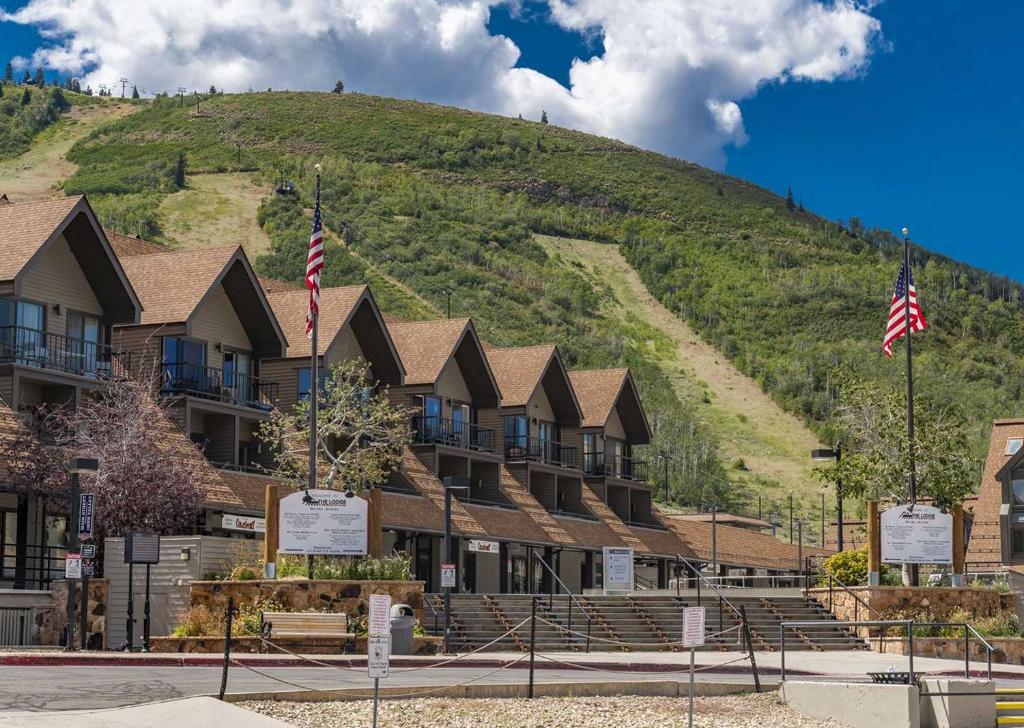

Walking Holidays: Choosing the Right Place to Stay in Hilly Regions
Walking holidays are about more than routes and distances. Where you stay shapes the entire experience: how your days begin, how relaxed you feel on the trail, and how easily you can wind down at the end of the afternoon. In hilly regions especially, the right accommodation can turn a good walking trip into an outstanding one.
Hills are ideal for walking because they offer variety without extremes. Paths rise and fall gently, views open gradually, and villages appear at comfortable intervals. This makes them accessible to a wide range of walkers, from casual ramblers to experienced hikers looking for multi-day routes. Choosing the right base in these landscapes is less about luxury and more about location, comfort, and rhythm.
This guide explains how to choose accommodation for a walking holiday in hilly regions, what to prioritise, and how different types of walkers benefit from different kinds of stays.
Why Hilly Regions Are Perfect for Walking Holidays
Hills occupy a sweet spot between flat countryside and high mountains. For walkers, this balance brings several advantages.
Hilly terrain provides:
• Continuous scenery without technical difficulty
• Short ascents rewarded with views
• Routes that feel varied rather than repetitive
• Walking days that are challenging but achievable
Unlike mountain environments, hills rarely require specialist equipment, acclimatisation, or guides. Unlike flat areas, they deliver a sense of progression and reward. This makes them ideal for walkers who want satisfying days outdoors without turning the holiday into an endurance test.
Accommodation in these regions has evolved to support walkers, often offering practical features that matter more than star ratings.
Start With the Walking You Want to Do
Before choosing where to stay, it helps to be clear about what kind of walking holiday you want. Not all walking holidays are the same, and hilly regions support several distinct styles.
Some walkers prefer:
• Circular day walks from one base
• Linear routes with transport back
• Multi-day trails passing through villages
• Gentle scenic strolls rather than long distances
If your plan is to walk directly from your accommodation each day, location becomes critical. Staying in or near a walking village or trail hub allows you to step out of the door and onto a path. If you plan to drive to different starting points, a more remote base may still work well.
Matching accommodation to walking style is the single most important decision you can make.
Village, Town, or Countryside: Choosing the Right Base
One of the biggest choices for walkers is whether to stay in a village, a small town, or a rural location.
Staying in a Walking Village
Villages in hilly regions often developed around footpaths, trade routes, or valleys. These locations are popular with walkers for good reason.
Advantages include:
• Multiple routes starting nearby
• Cafés and pubs for rest stops
• Public transport links
• A sociable atmosphere
Village stays work particularly well for walkers who enjoy variety and convenience. You can walk in different directions each day without moving accommodation.
Staying in a Hill Town
Small hill towns provide similar benefits but on a slightly larger scale. They often offer more accommodation options, restaurants, and services.
Hill towns suit:
• Longer stays
• Walkers who want choice in dining
• Mixed-activity holidays
Regions such as Lake District are well known for towns that combine walking access with amenities.
Staying in the Countryside
Rural accommodation offers peace and immersion in the landscape. For some walkers, this is the essence of a walking holiday.
Countryside stays offer:
• Quiet surroundings
• Immediate access to nature
• Fewer people on local paths
They work best when:
• You are happy to plan routes in advance
• You are comfortable with limited services
• You value solitude over convenience
Walk-In, Walk-Out Accommodation
One of the most desirable features for walking holidays is walk-in, walk-out access. This means being able to start and finish walks directly at your accommodation without driving.
This type of stay:
• Reduces daily logistics
• Makes shorter walks more appealing
• Encourages spontaneous exploration
Many hilly regions are threaded with public footpaths, bridleways, and marked trails. Accommodation that sits on or near these routes is often highly sought after by walkers.
In places like Tuscany, walkers often choose hill towns specifically because ancient paths link villages through vineyards and olive groves.
Practical Features Walkers Should Look For
When browsing accommodation for a walking holiday, certain practical features can make a significant difference.
Useful features include:
• Drying space for boots and clothing
• Early breakfast options
• Packed lunch availability
• Secure storage for outdoor gear
• Local walking information or maps
These details are often more valuable than luxury extras. A simple, well-located place that understands walkers’ needs will usually outperform a more polished stay that does not.
Comfort Matters More Than You Think
Walking days are active, but recovery matters. The right accommodation helps you rest properly and enjoy the next day’s walk.
Look for:
• Comfortable beds
• Quiet surroundings
• Good heating or cooling, depending on climate
• Space to relax in the evening
Hilly regions often cool down at night, even in warmer countries. Accommodation that feels cosy and well insulated contributes greatly to overall comfort.
Walking Distances and Daily Planning
Accommodation choice also affects how flexible your walking days can be. Staying centrally allows you to adjust plans based on weather, energy levels, or mood.
Central bases make it easier to:
• Shorten or extend walks
• Change routes mid-week
• Combine walking with rest days
This flexibility is particularly valuable on longer trips, where conditions and energy can vary.
Guided vs Independent Walking Stays
Some walking holidays are fully guided, while others are entirely independent. Hills support both styles well.
For guided walking holidays:
• Accommodation is often selected for logistical convenience
• Transfers and route planning are handled for you
For independent walking:
• Accommodation choice becomes more personal
• Local knowledge is especially valuable
Independent walkers benefit from hosts who can suggest routes, conditions, and seasonal variations.
Seasonal Considerations in Hilly Regions
Season plays a major role in walking holidays, and accommodation choice should reflect this.
In spring:
• Lower hills warm up earlier
• Accommodation in sheltered valleys can be ideal
In summer:
• Higher or breezier locations offer relief from heat
• Hilltop towns may be cooler at night
In autumn:
• Scenic colours make hilly regions particularly attractive
• Accommodation with views becomes especially rewarding
In winter:
• Lower, gentler hills remain walkable
• Staying near services is often preferable
Choosing accommodation that suits the season enhances comfort and safety.
Walking Holidays for Different Types of Travellers
Couples
Couples often look for:
• Scenic settings
• Characterful accommodation
• Quiet evenings
Hill towns and small villages are particularly popular for romantic walking breaks.
Families
Families benefit from:
• Short, flexible walking routes
• Accommodation with space
• Easy access to nature
Gentle hills with well-marked paths work well for children.
Solo Walkers
Solo walkers often prioritise:
• Safety
• Sociable environments
• Public transport access
Village or town stays can be reassuring and convenient.
International Walking Destinations in Hilly Regions
Walking holidays in hills are a global phenomenon. While the landscapes vary, the principles of choosing accommodation remain consistent.
Examples include:
• The vineyard-covered hills of Umbria
• The layered river valleys of the Douro Valley
• The expansive walking routes of the Scottish Highlands
In each case, walkers benefit most from staying where paths, villages, and services intersect naturally.
Why Returning to the Same Base Works So Well
Many walking holidays work best when you return to the same accommodation each night. This creates a reassuring rhythm.
Benefits include:
• No daily packing and unpacking
• Familiar surroundings
• Consistent comfort
Hilly regions are ideal for this approach because multiple routes often radiate from a single base.
Choosing Accommodation With the Right Mindset
When planning a walking holiday, it helps to think of accommodation as part of the walking experience, not just somewhere to sleep.
The best walking stays:
• Support your daily routine
• Reduce friction and stress
• Enhance rest and recovery
A well-chosen base allows the walking itself to feel effortless and enjoyable.
Final Thoughts
Walking holidays in hilly regions offer a rare blend of activity, scenery, and comfort. Choosing the right place to stay is central to that experience. By focusing on location, practicality, and the kind of walking you want to do, you can turn a simple trip into a deeply satisfying holiday.
Whether you prefer village life, rural solitude, or a lively hill town, the right accommodation will anchor your days, shape your routes, and make every walk more enjoyable.
Hills invite exploration at a human pace. The right place to stay lets you fully embrace that rhythm, step by step.