
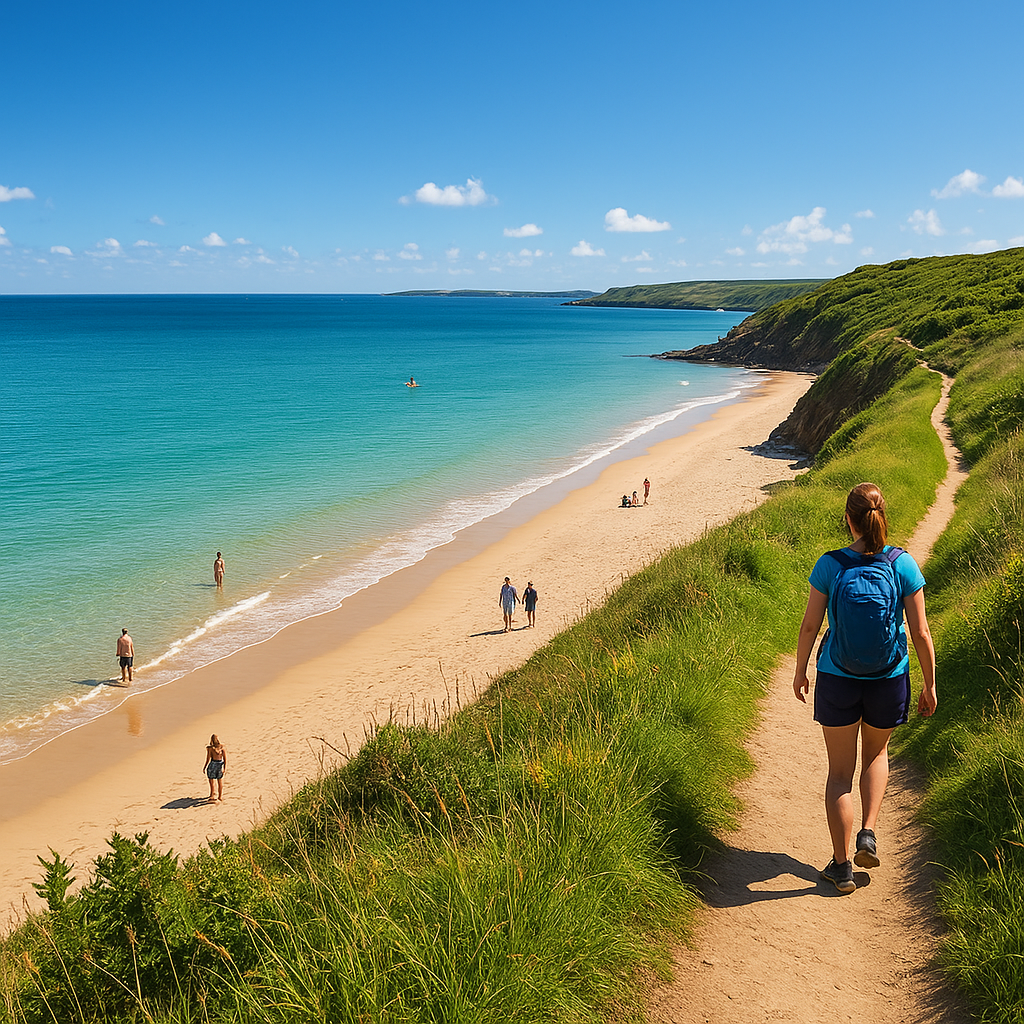

Beaches and Coasts for Active Travellers: Walking, Swimming and Water Sports
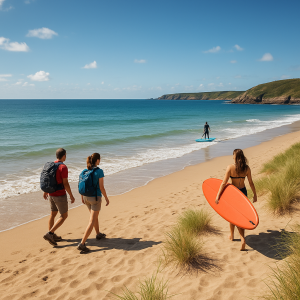
If your idea of a perfect getaway involves moving your body as much as resting it, active coastal travel might be exactly what you’re craving. The best shorelines aren’t just pretty backdrops for a towel and a paperback—they’re natural playgrounds for coastal walking holidays, sunrise swims, cliffside trails, paddle sessions, and breezy days where you come home salty, tired, and happy.
What makes a coast “active-friendly” isn’t only the scenery (though that helps). It’s the mix of accessible paths, safe swimming beaches, local outfitters, reliable conditions, and a vibe that welcomes people who like to do things outdoors. Some places lean more toward seaside hiking, others are all about beach activities and gentle water time, and many offer a little bit of everything—making them perfect for couples, friends, and families with different energy levels.
Below is a practical, human guide to choosing the right coastline for you, plus tips to build a trip that balances adventure with downtime—without feeling like you’re training for a marathon.
Why active travellers love the coast
Coastal environments make activity feel easy. The air is fresh. The views change constantly. Even a simple walk becomes a mini-adventure because you’re following headlands, crossing little coves, and spotting wildlife.
Just as importantly, beaches and coasts offer “stackable” days. You can start with a morning hike, cool off with an afternoon swim, and finish with a sunset paddle or a casual stroll for dinner. It’s flexible, and it fits different levels of fitness.
Here’s what people typically love most:
- Natural variety: cliffs, dunes, rock pools, sandy bays, and forested sections in one trip
- Activities for every mood: high-energy sports or gentle floating and walking
- Reward factor: nothing beats a post-hike swim, especially in warm weather
- Local culture: seafood, promenades, coastal towns, and port-side markets
Picking the right coast for your style of movement
Not all shorelines are created equal. Before you book flights or start pinning routes, it helps to choose the kind of coast that matches your preferred pace.
For walkers: look for continuous trails and easy logistics
If you’re planning true coastal walking holidays, prioritize places with well-marked long-distance paths, public transport, and lodging options along the route. The best walking coasts also have “bailout points”—small towns or bus stops where you can shorten a day if the weather shifts.
Also think about surfaces. Rocky headlands can be slow-going. Sand is surprisingly tiring. A mix of compact paths and coastal tracks is often ideal.
For swimmers: prioritize safe entry points and clean water
When you’re choosing swimming beaches, go beyond the postcard photo. Look for:
- Lifeguards during peak season
- Gentle gradients for easy entry
- Minimal boat traffic in swim areas
- Water quality reports (many destinations publish these)
- Sheltered bays if you’re not into waves
And if you’re tempted by wild swimming, check tides, currents, and local advice. Some of the most beautiful coves can be the most deceptive.
For water sports: match the destination to conditions
The phrase water sports destinations covers a lot: surfing, kayaking, kiteboarding, sailing, snorkeling, diving, and stand-up paddleboarding.
The trick is aligning your sport with the local “personality”:
- Consistent swell + beach breaks → surfing
- Protected bays and calm mornings → SUP and kayaking
- Thermal winds and open water → windsurfing and kitesurfing
- Clear visibility and reefs → snorkeling and diving
When in doubt, look for places with reputable schools and rental shops. They know the seasonal patterns better than any blog.
Coastal walking and seaside hiking: how to plan days that feel good
You don’t need to be an ultralight backpacker to enjoy seaside hiking. Coastal terrain invites a more relaxed rhythm—photo stops, snacks, detours down to small beaches, and the occasional long lunch.
Choose a “base” or a “through-walk”
There are two main ways to do walking-focused coastal trips:
1) Base-and-explore:
Stay in one town and do different day hikes. This is great if you want comfort, simple logistics, and the option to swap a hike for a beach day.
2) Point-to-point:
Walk from village to village (or inn to inn). This classic style is what many people imagine when they picture coastal walking holidays. It’s immersive and satisfying, but requires more planning—especially for luggage transfers and transport.
Build routes around tide times and shade
On some coasts, tide changes can affect access to coves, rock shelves, and beach shortcuts. Even if you aren’t walking directly on sand, tide timing can affect your safety if you’re exploring lower paths.
Shade is another underrated factor. Clifftop trails can be surprisingly exposed. If you’re traveling in summer, early starts make everything easier: cooler temps, calmer winds, fewer crowds.
Pack for “micro-weather”
Coastal weather can change fast. A sunny morning can become windy by noon, and mist can roll in without warning.
Bring:
- A light windproof layer
- Sun protection (hat + sunscreen)
- Shoes with decent grip (coastal rocks can be slick)
- More water than you think you need
Swimming beaches: what makes a beach great for active travellers
A beach that’s perfect for lounging isn’t always ideal for movement. Active travellers tend to value a few extra details that make swims and shoreline sessions smoother.
Easy access and rinse-off facilities
If you’re swimming daily, simple amenities matter: steps or ramps, showers, toilets, and a place to stash gear. Even a small beachfront café can make the routine more enjoyable.
Water that invites you back in
Look for beaches with:
- Clear water and minimal seaweed build-up
- Comfortable entry (sand or small pebbles over sharp rocks)
- A mix of shallow and deeper zones
If you’re traveling with kids or newer swimmers, a sheltered bay can be a game-changer—especially on windy days.
Safety first: currents, flags, and local knowledge
Even strong swimmers can get caught out by rip currents or sudden drop-offs. Swim at lifeguarded beaches when you can, and pay attention to flag systems. If locals aren’t swimming, ask why before you head in.
Water sports destinations: choosing the right adventure without overplanning
Water sports can be the highlight of a trip because they’re immersive—part workout, part nature therapy, part skill-building. They also help you see the coast differently: from the waterline, the cliffs feel taller, the coves feel secret, and distances make more sense.
Surfing: go where lessons and board rental are easy
If you’re a beginner, pick a coast with:
- Sandy-bottom beach breaks
- Consistent but not massive waves
- Multiple surf schools (competition keeps standards high)
- Warm enough water for longer sessions
More advanced surfers may chase reef breaks or bigger swell seasons, but for many travellers, a reliable beginner setup is the most fun.
Kayaking and sea touring: the best way to explore hidden coves
Sea kayaking is ideal for active travellers who want steady movement without high impact. Look for coastlines with:
- Calm morning water
- Sea caves, arches, and rock formations
- Guided trips that include wildlife spotting
- Launch points close to scenic sections (so you don’t paddle through boring water first)
Guides also help you understand currents and wind patterns—huge for coastal safety.
Stand-up paddleboarding: low barrier, high reward
SUP works well on:
- Lagoons and sheltered bays
- Harbors in the early morning
- Slow-moving coastal rivers that meet the sea
It’s also a fantastic “rest day” activity because it uses your core and balance without feeling intense.
Kitesurfing and windsurfing: plan around wind seasons
These sports are incredibly fun, but they’re more condition-dependent. If you’re set on them, research:
- Typical wind strength by month
- Launch beach width and obstacles
- Local rules and designated zones
A destination with strong instruction and safe launch sites makes a big difference, especially if you’re learning.
Snorkeling and diving: prioritize clarity and marine life
If underwater time is important, focus on:
- Visibility (often best in calmer months)
- Protected marine areas
- Easy shore entries or short boat rides
- Reefs, kelp forests, or shipwrecks depending on your interest
Even casual snorkelers can have an amazing day if the water is clear and the coastline is sheltered.
Building the perfect active coastal itinerary (without burning out)
The sweet spot is combining movement with recovery. The coast is great for this because recovery doesn’t have to mean “doing nothing.” It can mean gentle motion: an easy swim, a short walk, a stretch session by the water.
Use the “hard-easy” rhythm
Try alternating:
- Hard day: long hike + swim, or a full surf lesson
- Easy day: short coastal walk + SUP, or a relaxed beach day with a sunset stroll
This keeps your energy consistent over a week, and it reduces the chance of sore knees or tired shoulders ruining your last days.
Plan one “weather-flex” day
Coastal trips live and die by wind, waves, and rain. Instead of fighting the forecast, build in one day where you can pivot:
- If it’s windy: choose a sheltered hike inland or a leeward beach
- If it’s rainy: visit an aquarium, museum, or coastal town market
- If it’s flat calm: book the kayak trip or snorkeling session
You’ll feel less pressure, and you’ll spend less time refreshing weather apps.
Keep transitions simple
One reason some active trips feel stressful is constant packing and moving. Even if you’re doing point-to-point walking, consider staying two nights in certain towns to break it up. The coast rewards lingering.
Beach activities that keep you moving (even on “rest” days)
Not every day needs to be a major outing. A lot of the best beach activities are simple, social, and surprisingly active.
Classic options that don’t feel like exercise
- Beach volleyball or paddleball
- Rock pooling and shoreline exploring (great with kids)
- Bodyboarding in small waves
- Beach runs or brisk walks near the waterline (better on firmer sand)
- Tidepool photography walks at low tide
These are the days you often remember most because they’re spontaneous and relaxed.
Add a small challenge
If you like a goal without a full-on training plan, try:
- A “swim-a-day” streak (even 10 minutes counts)
- A sunrise walk every other morning
- A headland-to-headland loop where you explore a new cove each time
- A one-time skills session: surfing, sailing, freediving intro, or rescue swim basics
Small challenges add structure, but still leave room for holiday vibes.
What to pack for active coastal travel
Packing for the coast is a balancing act: you want to be ready for wind, sun, and water, but you don’t want to haul your whole closet.
Essentials that earn their space
- Lightweight windbreaker or shell
- Comfortable walking shoes with grip
- Sandals or water shoes (useful on pebbly beaches)
- Refillable water bottle
- Sun protection (hat + sunscreen + sunglasses)
- Small dry bag (for phones/keys on paddle days)
- Quick-dry towel or travel towel
Nice-to-haves if you’re doing water sports
- Rash guard (sun + rash protection)
- Anti-chafe balm (saltwater + sand can be brutal)
- Swim goggles for open-water sessions
- Earplugs if you’re prone to swimmer’s ear
- A simple first-aid kit (blister care is key for walkers)
If you’re renting most equipment, keep your personal kit light. Local shops usually provide boards, wetsuits, and safety gear.
Staying safe on coasts: simple habits that prevent problems
Coastal environments are friendly—until they aren’t. Most issues come from underestimating conditions or overestimating energy.
Respect tides and swell
A quiet cove can become difficult when the tide rises. A calm shoreline can get pounded by surprise sets if there’s swell. If you’re exploring sea caves or walking beneath cliffs, tide awareness is non-negotiable.
Know your limits in open water
Open-water swimming is different from pool swimming. Cold shock, currents, and waves can tire you faster than expected. Start short, stay close to shore, and swim parallel to the beach when possible.
Think about cliff and trail safety
In some coastal areas, cliff erosion is real. Stick to marked paths, avoid unstable edges, and don’t treat a crumbling viewpoint like a photo platform.
Hydrate and fuel like you mean it
Salt air and sun can hide dehydration. Carry water, bring snacks, and plan stops—especially on long seaside hiking days where cafés are spaced out.
How to choose a destination that supports an active trip
There are countless great water sports destinations and walking-friendly coasts around the world. Instead of naming a long list, it can be more helpful to know what to look for so you can evaluate any region quickly.
Signs a coastline is ideal for coastal walking holidays
- A well-known coastal trail network
- Frequent towns or villages along the route
- Maps and route signage that don’t require constant GPS
- Local transport that makes one-way hikes easy
- Accommodation geared toward walkers (early breakfasts, packed lunches, drying rooms)
Signs a place is strong for swimming and beach time
- Multiple swimming beaches with lifeguards in season
- Clean water standards and regular reporting
- Bays or sheltered stretches if you dislike big surf
- Promenades or coastal paths that connect beaches for easy “swim-hopping”
Signs it’s a true water sports hub
- Several reputable schools (surf/SUP/kite/dive)
- Gear rental with modern equipment
- Clear rules about zones (especially where swimmers and boards mix)
- A culture that normalizes early mornings and active days
When all three categories overlap, you’ve found a coast that’s basically built for movement.
Making it feel like a holiday, not a checklist
It’s easy to turn an active trip into a schedule. Ironically, that can make you feel less refreshed, even if you’re doing what you love.
A more satisfying approach is to choose one “anchor” activity per day and let the rest be optional. Maybe the anchor is a cliff walk before lunch. Or a surf lesson in the morning. Or a long swim at a lifeguarded beach. Once that’s done, anything else is a bonus.
This is also where the coast shines: the simplest pleasures—walking to a viewpoint, floating in clear water, trying a new board sport—deliver a lot of joy without needing intense planning.
The takeaway: an active coast is the most flexible kind of escape
If you want a trip that blends fitness, nature, and genuine downtime, beaches and coastal regions are hard to beat. The best active coastal travel experiences are the ones where you can wake up and decide: today is for a long trail with big views, or today is for beach activities and gentle swims, or today is for learning a new skill in one of the world’s great water sports destinations.
Whether you’re drawn to coastal walking holidays, casual seaside hiking, reliable swimming beaches, or a week built around boards and paddles, the right coastline gives you options—and that’s what makes it such a satisfying way to travel.
If you tell me what season you’re traveling, your fitness level, and which activities you prefer (walking vs swimming vs water sports), I can suggest a few destination types and a sample 5–7 day plan that fits your style.