
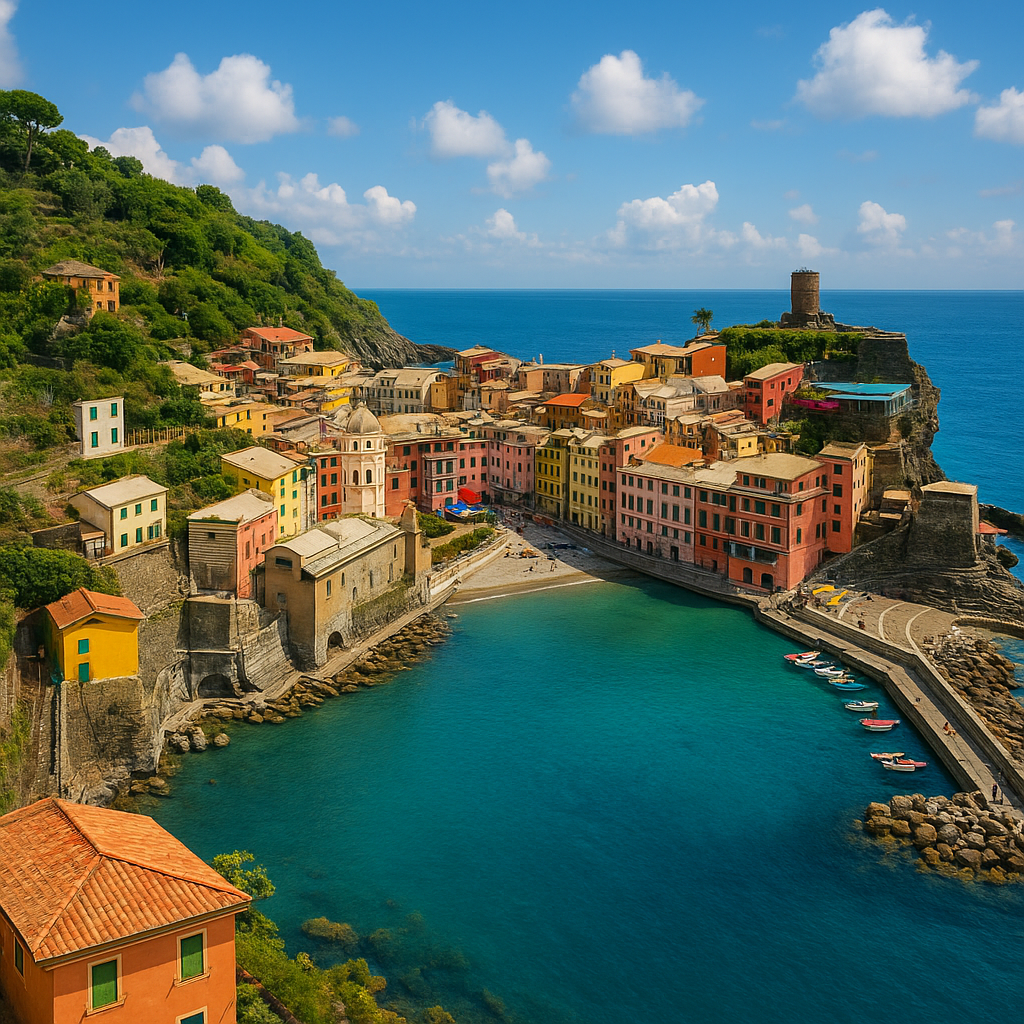

When you’re daydreaming about salt air and slower mornings, coastal towns and seaside villages tend to rise to the top of the list for one simple reason: they make it easy to live well for a few days. You can walk everywhere, eat fresh seafood without overthinking it, and end the evening with a shoreline stroll that feels like a reset button.
If you’re wondering where to stay on the coast, the best answer usually isn’t the biggest resort or the busiest city beach. It’s the places that still feel lived-in—small seaside towns where locals outnumber tour buses, and where the pace encourages you to linger. Below are some charming coastal destinations worth building a trip around, plus practical tips to help you choose the right base for your style of coastal escape.
What makes a coastal town truly worth staying in?
Not every shoreline stop works as a “home base.” Some are perfect for an afternoon, but feel flat after dark. The ones worth staying in usually share a few traits.
First, they’re walkable. You can get from your lodging to a bakery, a viewpoint, and the water without needing a car every time.
Second, they have layers. Maybe it’s an old harbor, a weekend market, a coastal trail, or a cluster of family-run restaurants. You want enough variety that two or three nights doesn’t feel repetitive.
Third, they have a sense of place. The best seaside villages aren’t trying to be everything at once. They lean into what they are—fishing port, surfing hub, cliffside postcard, or quiet hideaway.
Finally, they make logistics easy. Day trips are a bonus, but even on a “do nothing” day, you can eat well, swim or walk, and watch the light change over the water.
How to decide where to stay on the coast (without overplanning)
It’s tempting to pack in five towns in a week. But coastal travel is often better with fewer bases and more time in each. Before you book, ask yourself a few quick questions.
Are you chasing energy or calm?
Some coastal towns buzz late into the night with waterfront bars, live music, and boardwalk energy. Others go quiet after dinner, in the best possible way.
If you want lively evenings, choose a larger town with multiple neighborhoods and a working marina. If you want deep rest, look for smaller places with limited nightlife and strong nature access—dunes, cliffs, or protected coves.
Do you want a beach-first trip, or a town-first trip?
A beach-first stay is all about easy swims, sand time, and sunset views. A town-first stay is more café-hopping, galleries, harbor walks, and historic streets—with the sea as a constant backdrop.
Neither is “better,” but they feel different. The most satisfying trips match your base to your priorities.
How important are day trips?
If you like variety, choose a coastal hub with multiple nearby villages and viewpoints. If you hate packing up, pick one place with enough to do on foot and commit to it.
With that in mind, here are standout places—some famous, some less obvious—that consistently deliver as places you’ll be glad you didn’t just pass through.
Italy: coastal charm with aperitivo energy
Italy is packed with famous shorelines, but the best stays often happen in towns where everyday life still takes center stage.
Camogli, Liguria
Camogli is a colorful fishing town near Genoa that feels like a softer, less crowded cousin to the Cinque Terre. The waterfront is lined with tall painted buildings, and the beach is close enough that you can dip in between meals.
Why it’s worth staying: evenings here are especially good. Day-trippers tend to leave, and the promenade turns into a gentle parade of locals.
Don’t miss: a boat trip or hike in Portofino Regional Park. You can get dramatic coastal views without the crush of more famous spots.
Polignano a Mare, Puglia
Perched on cliffs above turquoise water, Polignano a Mare is one of those places that looks edited—even when it isn’t. The old town is compact, and the scenery does a lot of the work for you.
Why it’s worth staying: the atmosphere shifts after dark. Restaurants light up the alleyways, and the views feel more intimate once the daytime crowds thin out.
Tip: stay just outside the historic center if you want easier parking and quieter nights, then walk in for dinner and viewpoints.
Portugal: friendly seaside towns with strong food and surf culture
Portugal is a dream for coastal travel because distances are manageable, the seafood is consistently great, and the towns feel welcoming even in peak season.
Ericeira
Ericeira is a fishing town turned surf hub, but it hasn’t lost its local heartbeat. Whitewashed buildings, small plazas, and ocean-facing cafés make it easy to settle in.
Why it’s worth staying: it works for surfers and non-surfers alike. Even if you never touch a board, you’ll still enjoy coastal walks, tidepools, and low-key nightlife.
Best for: travelers who want a stylish but unfussy base near Lisbon.
Tavira (with quick access to the sea)
Tavira sits slightly inland on the Algarve, but it’s closely tied to barrier-island beaches. It’s more about laid-back Portuguese rhythm than big-resort energy.
Why it’s worth staying: it offers a calmer side of the Algarve. You can take a short boat ride to the beach, then return to a town that feels more residential and relaxed.
Food note: look for simple grilled fish places—often the best meals come without a fancy pitch.
Spain: small seaside towns made for slow evenings
Spain’s coast is varied—wild northern cliffs, calm Mediterranean coves, island villages—and the best stays often come down to choosing the right “tempo.”
Cadaqués, Catalonia
Cadaqués is bright white against deep blue water, with narrow lanes and a creative legacy (Dalí lived nearby). It’s scenic without feeling artificial.
Why it’s worth staying: it’s not just pretty; it’s atmospheric. The light, the wind, the small galleries—everything nudges you toward unhurried days.
Plan for: a bit of effort getting there. That extra distance helps keep the vibe more relaxed than other Mediterranean hotspots.
Getaria, Basque Country
Getaria is a small fishing town with serious culinary credibility. It’s known for grilled fish and txakoli wine, and it has a compact, walkable center.
Why it’s worth staying: you can build an entire trip around simple pleasures—beach walks, harbor views, and meals you’ll remember.
Perfect for: food lovers who want the sea without the resort feel.
France: postcard harbors, coastal walks, and market mornings
France does coastal towns in many styles. You can go rugged and windswept in Brittany, glamorous on the Riviera, or storybook-pretty in Normandy.
Saint-Malo, Brittany
Saint-Malo is walled, dramatic, and shaped by tides. Walk the ramparts, watch the water pull back, then return for crêpes and cider.
Why it’s worth staying: the place has presence, especially in the early morning and evening when the day-trippers disappear and the light hits the stone walls.
Bonus: it’s a great base for day trips to Dinard, Cancale (for oysters), and Mont-Saint-Michel.
Cassis, Provence-Alpes-Côte d’Azur
Cassis offers a more intimate alternative to some of the Riviera’s bigger names. The harbor is charming, and the nearby Calanques deliver spectacular coastal hiking and swimming spots.
Why it’s worth staying: you can do a morning boat trip, an afternoon swim, and still be back in time for a relaxed dinner by the port.
Tip: book early in summer—accommodations fill fast.
UK and Ireland: dramatic shorelines and cozy seaside villages
If you love bracing sea air, cliff walks, and pubs that feel like community living rooms, the UK and Ireland deliver in a way few places can.
St Ives, Cornwall, England
St Ives is known for its beaches and creative scene, with galleries and studios tucked around the harbor. It’s lively, but it still has a true seaside feel.
Why it’s worth staying: you can mix beach time with art and coastal path walks, all without needing to drive much once you’re there.
Helpful detail: consider staying slightly outside the center for quieter nights, then stroll in for dinner and sunset.
Dingle, County Kerry, Ireland
Dingle combines a working harbor, excellent food, and access to some of Ireland’s most beautiful coastal scenery.
Why it’s worth staying: it feels warm and social. Even if the weather turns, you’ll still have music sessions, seafood chowder, and scenery that looks cinematic in any light.
Best for: travelers who want “coastal” without requiring constant sun.
Greece: small seaside towns where the day ends on the waterfront
Greece is famous for islands, but the most memorable stays often happen in small seaside towns where the harbor is the main stage each evening.
Nafplio (with beach access nearby)
Nafplio is technically not on an island, but it delivers a romantic coastal atmosphere with a beautiful old town and nearby beaches.
Why it’s worth staying: it blends history and sea time. You can explore fortresses, then head to the water for a swim.
Great for: couples and travelers who want a varied itinerary without hopping islands.
Symi (Dodecanese)
Symi is compact, colorful, and centered around a photogenic harbor. It’s quieter than some better-known islands, with a refined, peaceful feel.
Why it’s worth staying: nights here are special—soft lights, calm water, and dinners that stretch longer than planned.
Tip: if you want true quiet, choose lodging slightly uphill from the main harbor.
Japan: coastal towns with onsen, seafood, and scenery
Japan’s shoreline travel is underrated, especially if you’re looking for a stay that mixes culture, nature, and food.
Kanazawa as a gateway, plus nearby coastal stops (Ishikawa)
While Kanazawa itself isn’t a tiny village, it’s an excellent base for exploring the Sea of Japan coast. Nearby coastal areas offer fresh seafood and a different, calmer ocean mood than the Pacific side.
Why it’s worth staying: you get an easy mix—city comforts, then coastal day trips for views and meals.
If you prefer smaller: look at seaside areas on the Noto Peninsula for a more rural feel and dramatic coastline.
USA and Canada: varied shorelines and character-filled bases
North America has everything from foggy fishing towns to sunlit beach communities. The key is choosing a place that fits the season and your travel style.
Carmel-by-the-Sea, California, USA
Carmel is storybook-pretty, walkable, and close to iconic coastal drives. The beach is wide and scenic, and the village core is full of independent shops and cafés.
Why it’s worth staying: it’s easy to do a “no car day” once you arrive, yet you’re close to Big Sur for day trips.
Note: it can be pricey, but for a special stay, the setting delivers.
Lunenburg, Nova Scotia, Canada
Lunenburg is a UNESCO-listed town with colorful buildings, maritime history, and a working waterfront.
Why it’s worth staying: it feels authentic, and it’s an ideal base for exploring Nova Scotia’s South Shore at an unhurried pace.
Best for: travelers who like history, harbors, and scenic drives with frequent photo stops.
How to choose the right accommodation in charming coastal destinations
Once you’ve picked a place, the next step is choosing the kind of stay that matches how you actually travel.
Harbor-front hotels: for views and convenience
If you love waking up to boats and being steps from dinner, harbor-front lodging is hard to beat. The trade-off is noise—especially in peak season.
Ask before booking: Is the room above a restaurant? Does the town host late-night events on weekends?
Guesthouses and B&Bs: for local character
In many seaside villages, guesthouses are where you’ll get the best local recommendations—swimming coves, quiet trails, the bakery everyone loves.
Look for: reviews that mention helpful hosts, good soundproofing, and walkability.
Apartments and cottages: for longer stays
If you’re staying more than three nights, a small apartment can make the trip feel more like living than visiting. It also helps if you’re traveling with kids or just want your own kitchen for simple breakfasts.
Tip: coastal humidity is real. Check for notes about ventilation or dehumidifiers, especially in older buildings.
Boutique resorts: for “switch off” mode
Sometimes you want the pool, the spa, and the feeling that you don’t need to make decisions. Boutique resorts can be perfect—just choose one with easy access to town so you’re not isolated unless that’s the goal.
A simple way to plan a coastal itinerary that doesn’t feel rushed
If your goal is to enjoy where to stay on the coast rather than simply “see the coast,” keep it simple.
Use the 3–2–1 rule
- 3 nights in your main base (enough time to settle in)
- 2 easy day trips (nearby villages, beaches, viewpoints)
- 1 completely open day with no plans
That open day is often the one you remember most—the surprise café, the beach you found by accident, the sunset you watched twice because it was that good.
Practical tips for a better stay in small seaside towns
A few small choices can make a big difference when you’re staying in coastal places.
Book parking before you book the room (when possible)
Many historic coastal centers have limited parking, narrow streets, or restricted zones. If you’re driving, confirm where you’ll leave the car and how far you’ll walk with luggage.
Pack for wind, not just warmth
Even in summer, evenings by the water can be breezy. A light jacket or layer turns “a little cold” into “let’s stay out longer.”
Eat early or late to avoid queues
In popular coastal towns, dinner rush can be intense. A slightly earlier meal often means better service and a calmer experience—especially in smaller restaurants.
Stay at least one night beyond the day-tripper schedule
If you’re choosing between a day trip and an overnight, go overnight. Many charming coastal destinations reveal their best side early in the morning and after sunset, when the rhythm becomes local again.
The coastal stay you’ll remember is the one that fits you
There’s no universal “best” coast—only the best match for your mood. Some trips call for dramatic cliffs and long walks. Others call for warm water, slow lunches, and a harbor view you never get tired of.
The good news is that the world is full of seaside villages and small seaside towns that are more than scenic backdrops. Pick one that matches your pace, stay long enough to learn your favorite bakery and your favorite bench by the water, and you’ll come home feeling like you actually went somewhere—not just through it.