

Beach Holidays Beyond Summer: Why the Coast Works in Every Season
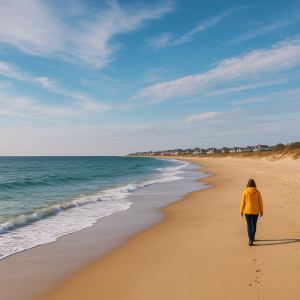
If you’ve ever searched for off season beach holidays or wondered whether year round coastal travel is actually worth it, you’re not alone. Most people still default to the classic summer beach week—sun high overhead, packed promenades, and the familiar rush to “make the most of it” before the season ends.
But here’s the thing: the coast doesn’t stop being beautiful once summer fades. In many places, it becomes even better.
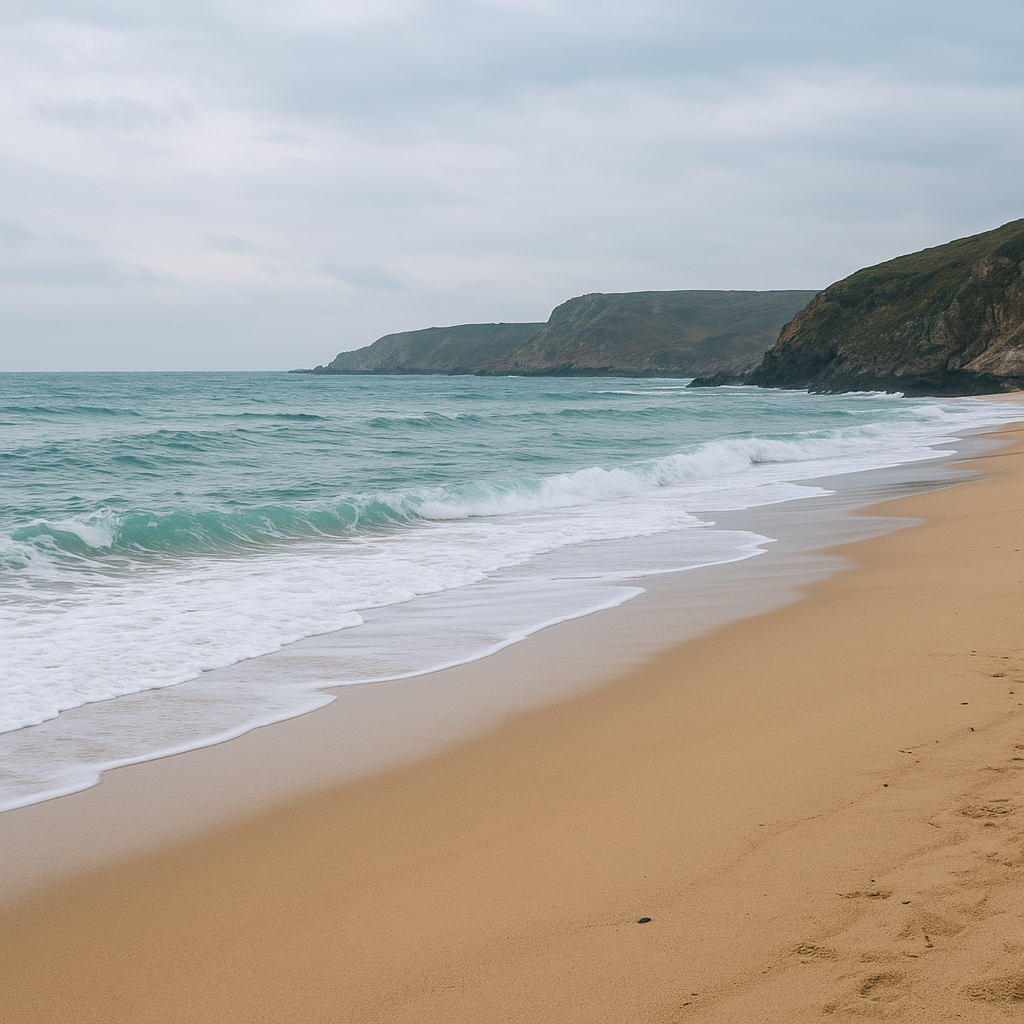
Outside peak months, beaches feel more spacious, locals have more time to chat, and the scenery changes in subtle, memorable ways—misty mornings, dramatic skies, and that crisp sea air that makes everything feel newly alive. Whether you’re craving winter seaside breaks, planning quiet beach stays, or just looking for practical coastal travel tips to help you travel smarter, an all-season approach to the coastline can open up a whole new kind of getaway.
This guide walks you through what coastal travel looks like across the year, how to choose the right destination, and how to make every season feel like the “right” season.
The Big Appeal of Beach Trips Outside Summer
Summer has its perks, of course. Warm water, long days, and that easy holiday energy are hard to beat. But off-season coastal travel offers a different kind of luxury—one that’s calmer, often cheaper, and surprisingly varied.
More space, less stress
In peak season, beaches can feel like stadium seating: towels pressed close, queues for ice cream, and parking that requires negotiation skills. During shoulder seasons and winter, that pressure disappears.
You can walk without weaving through crowds. You can choose the quiet café instead of the loud one. You can actually hear the waves.
Better value (often by a lot)
Accommodation prices in coastal towns tend to follow a predictable curve: highest in summer, more reasonable in spring/autumn, and lowest in winter (outside holiday periods). Restaurants may run seasonal specials to attract visitors, and some attractions offer discounted entry.
If you’re flexible, off season beach holidays can turn a “maybe next year” destination into something you can book now.
A more local experience
When a seaside town isn’t running at full summer speed, it feels more like a real place and less like a temporary resort. You’ll notice small details: a morning market, the fisherman mending nets, a bakery that’s suddenly not sold out by 9 a.m.
For travelers who enjoy authenticity, year round coastal travel is one of the easiest ways to find it.
Understanding Coastal Seasons: What “Off Season” Really Means
“Off season” isn’t a single thing. It changes by region, climate, and school holiday schedules. Knowing the difference between shoulder season and true low season helps you plan the type of trip you actually want.
Shoulder season (spring and autumn)
This is the sweet spot for many travelers. You’ll typically get:
- Mild temperatures and plenty of daylight
- Lower prices than summer
- Most businesses still open
- Great conditions for walking, cycling, sightseeing, and food-focused trips
If you like beach time but don’t need peak heat, shoulder season can feel perfect.
Low season (winter, excluding major holidays)
This is when coastal places become quiet—sometimes wonderfully so, sometimes a bit too much if you’re expecting nightlife and lots of dining options. Low season is ideal for:
- Quiet beach stays with long walks and minimal crowds
- Storm watching and dramatic coastal scenery
- Cozy weekends with fireplaces, saunas, or sea-view hotels
- Creative retreats, reading breaks, and digital detox trips
This is also where winter seaside breaks shine, especially if you pick the right town with good year-round infrastructure.
Choosing the Right Coast for Every Season
Not all beach destinations “work” equally well in winter or off-peak periods. The trick is matching the location to the experience you want.
If you want warmth: aim for mild-climate coasts
Some coastal regions stay pleasantly warm even when it’s cold elsewhere. Think:
- Southern Europe and Mediterranean islands (though some areas get quiet)
- Coastal Morocco and parts of North Africa
- The Canary Islands and similar Atlantic islands
- Southeast Asia (but pay attention to monsoon seasons)
- Florida, parts of Mexico, and certain Caribbean islands (watch hurricane season)
For warmth-focused year round coastal travel, your main consideration becomes seasonal weather patterns, not just temperature.
If you want atmosphere: embrace cooler coasts
Cool-weather beach trips are not a compromise—they’re a different genre. Places with rugged cliffs, wide sands, and changing skies can be spectacular in autumn and winter.
This is where you’ll find:
- Epic sunrise walks
- Quiet cafes with sea views
- Coastal hikes where you might not meet another person for an hour
- A sense of space that peak summer can’t offer
These destinations are perfect for quiet beach stays and restorative breaks.
If you want amenities: pick year-round seaside towns
Some places are built around seasonal tourism, while others are “real towns” with steady life all year. For winter or late autumn travel, prioritize coastal spots that have:
- A resident population (not only holiday rentals)
- Multiple dining options open year-round
- Public transport links that run in winter
- Indoor attractions like museums, aquariums, galleries, or thermal spas
This is one of the most practical coastal travel tips: go where the lights stay on after summer ends.
What to Do on the Coast When It’s Not Beach Weather
A common worry about off-season trips is, “But what will we do?” The funny part is that many people end up doing more—just different things.
Coastal walking and hiking
Out of season, coastal paths become the main attraction. Bring comfortable shoes and build your days around walks.
Try:
- Cliff-top trails for panoramic views
- Beach walks at low tide to explore rock pools
- Nature reserves where birdlife is more visible in cooler months
Walking also gives structure to a winter trip: a morning hike, lunch somewhere warm, an afternoon exploring a nearby village.
Food trips and local markets
When you’re not focused on sunbathing, you notice the food. Coastal areas often have excellent:
- Seafood (obviously, but quality can be even better outside peak demand)
- Seasonal produce and regional dishes
- Bakeries, small delis, and family-run restaurants
Ask locals what’s in season. You may discover specialty dishes that tourists rarely order in summer.
Wellness and slow travel
The coast naturally supports rest. Off-season makes it easier to lean into slow travel:
- Sauna or spa visits paired with cold sea dips (where safe and popular)
- Reading afternoons in sea-view cafés
- Photography sessions in changing weather
- Yoga retreats and wellness weekends
Many hotels also offer better rates on spa packages during quiet periods, which is another reason off season beach holidays can feel surprisingly luxurious.
Museums, heritage sites, and coastal culture
Coasts aren’t just beaches. Many have:
- Maritime museums and historic ports
- Lighthouses and coastal fortifications
- Art galleries and craft studios
- Boatbuilding or fishing heritage centres
In winter, these places often feel more intimate—you’re not shuffling through crowds, and staff may have time for real conversations.
Packing and Planning: Coastal Travel Tips That Actually Help
Packing for summer beach holidays is simple. Packing for off-season takes a bit more thought—but it’s easy once you know the basics.
Dress in layers (and plan for wind)
Coastal wind changes everything. A day that looks mild on the weather app can feel chilly by the water.
Bring:
- A windproof jacket (more important than a heavy coat in many places)
- Layers you can add/remove easily
- Comfortable waterproof shoes if you plan to walk
- A hat or beanie for colder months
Even for milder climates, evenings can cool quickly.
Choose accommodation for comfort, not just location
In summer, you might accept a tiny room because you’ll be outside all day. In winter, your accommodation becomes part of the experience.
Look for:
- Good heating (or air conditioning in warm winter destinations)
- Comfortable seating if you plan quiet evenings
- On-site dining or easy access to restaurants if options are limited
- A view—because you’ll actually spend time enjoying it
For quiet beach stays, small guesthouses and boutique hotels often beat large resorts in the off-season.
Plan around daylight
In many regions, winter days are shorter. That’s not a problem—just plan smarter.
A simple rhythm works well:
- Morning: walk or outdoor activity
- Midday: long lunch and a warm drink
- Afternoon: museum, market, or scenic drive
- Evening: early dinner and a cosy night in
This structure makes winter seaside breaks feel relaxing instead of rushed.
Check what’s open (and have backup options)
Some coastal towns scale down outside summer. Before you go:
- Confirm restaurant opening days (many close early week)
- Check attraction hours and seasonal closures
- Book key experiences in advance if options are limited
This doesn’t need to be over-planning—it’s just avoiding the “everything is closed” surprise.
Off-Season Beach Holidays by Month: A Quick Seasonal Guide
Different months bring different moods. Here’s a practical overview to help match the calendar to your travel style.
Spring: fresh air, blooming landscapes, calmer beaches
Spring coastal trips feel hopeful and bright. In many places, the weather is improving but crowds haven’t arrived.
Best for:
- Coastal hikes
- Wildlife watching
- Food trips and café hopping
- Early sun seekers (in warmer destinations)
Summer: classic beach energy (with a side of crowds)
Summer is still summer. If you love lively promenades and warm water, go for it—but you’ll pay for it.
Best for:
- Swimming and water sports
- Family trips
- Festivals and nightlife
- Social beach culture
Autumn: warm seas, golden light, quieter towns
Early autumn can be ideal: sea temperatures often stay pleasant while air temperatures are comfortable.
Best for:
- Swimming without peak crowds (in many regions)
- Scenic photography
- Wine regions and harvest events near the coast
- Relaxed seaside weekends
Winter: dramatic scenery and deep rest
Winter turns the coast into something cinematic. Even when it’s cold, the sea has presence—bigger skies, stronger waves, and an atmosphere you don’t get in July.
Best for:
- Winter seaside breaks with cosy accommodation
- Storm watching (safely)
- Long walks and slow travel
- Romantic weekends and personal retreats
If you want true quiet, winter is the ultimate season for quiet beach stays.
How to Make Quiet Beach Stays Feel Special (Not Boring)
Quiet can be a gift—but only if you lean into it. A few small choices make a calm seaside trip feel rich and intentional.
Build your days around one “anchor” activity
Choose one main thing per day, such as:
- A coastal walk to a specific viewpoint
- A visit to a lighthouse or historic harbor
- A long lunch at a seafood place recommended by locals
- A scenic drive with planned stops for photos and coffee
When you have an anchor, the rest of the day naturally falls into place.
Create a cosy evening ritual
Evenings are where off-season trips win. Pack a few simple comforts:
- A book you’ve actually wanted to read
- A playlist or podcast for winding down
- A card game if you’re traveling with someone
- Snacks or local treats from a bakery
Instead of chasing entertainment, you settle into the setting.
Choose a place with views—or easy access to them
For quiet beach stays, proximity to the water matters. Even if it’s too cold to sit on the sand, being able to step outside and see the sea changes the whole mood.
A balcony, a window seat, or a short walk to a viewpoint can make the trip feel “special” with almost no effort.
Responsible Year Round Coastal Travel: How to Do It Well
Coastal destinations often face heavy pressure in summer: overcrowding, waste, strained water supplies, and disruption to local life. Spreading travel across the year can help, but it still needs to be done thoughtfully.
Support year-round businesses
Eat at local restaurants, buy from local shops, and consider guided tours led by residents. In the off-season, your spending can make a meaningful difference to communities that rely on tourism.
Respect nature and seasonal conditions
Off-season weather can be unpredictable. Follow safety signs, stay back from cliff edges, and avoid walking on dunes or protected areas.
If you’re storm watching, do it from a safe distance. Big waves are impressive—right up until they aren’t.
Travel slower, leave less behind
A simple approach works well:
- Bring a reusable bottle and bag
- Avoid single-use plastics where possible
- Stick to paths to protect fragile coastal ecosystems
- Keep noise low in quiet areas—people (and wildlife) notice more in winter
These small habits fit naturally with the slower rhythm of year round coastal travel.
Common Myths About Beach Holidays Beyond Summer
“It won’t feel like a real beach trip.”
A beach trip doesn’t have to mean swimming. For many travellers, the “beach feeling” is space, sea air, and a break from routine. Off-season delivers that in a calmer way.
“Everything will be closed.”
Some places do shut down significantly, but many seaside towns operate all year—especially those with a strong local community. A little research goes a long way.
“The weather will ruin it.”
Weather is part of coastal travel, especially outside summer. If you pack right and plan flexible activities, a grey day can still be memorable. In fact, some of the most beautiful coastal scenes happen under moody skies.
Final Thoughts: The Coast Doesn’t Have an Expiration Date
Summer may be the traditional time for beach trips, but it’s not the only time the shoreline has something to offer. With the right mindset—and a few smart coastal travel tips—off season beach holidays can be more peaceful, better value, and unexpectedly refreshing. Whether you’re planning winter seaside breaks for a change of pace or aiming for year round coastal travel as a lifestyle choice, the coast rewards you in every month.
The secret is simple: stop treating the beach like a seasonal event and start treating it like a place. Once you do, you’ll find that the best seaside memories aren’t always made under the hottest sun—they’re often made when the sand is quiet, the air is crisp, and the horizon feels like it belongs to you.