

When you’re visiting a cultural city—one packed with museums, theatres, historic streets, food markets, and neighbourhood festivals—where you sleep quietly shapes your whole experience. The best neighbourhoods to stay aren’t always the ones with the most famous landmarks. They’re the ones that match your pace, your budget, and how you want to feel when you step outside each morning.
If you’ve ever wondered where to stay in cities that are rich in history and art, the answer usually comes down to a few practical choices: how close you want to be to the action, how you’ll get around, and what kind of local vibe you want to soak up. The good news is that with a bit of smart city travel planning and a few reliable city accommodation tips, you can pick a place that feels like it “fits” you—without overpaying or ending up stuck in a tourist bubble.
Below is a friendly, real-world guide to choosing the right neighbourhood in any cultural city, whether you’re traveling solo, as a couple, with friends, or as a family.
Start With the Kind of Trip You Actually Want
Before you compare hotels, apartments, or boutique stays, zoom out and define the experience you’re after. Cultural cities can be surprisingly different by block.
Ask yourself:
- Do you want to walk everywhere, or are you fine taking public transport?
- Are you trying to see “everything” in three days, or travel slowly?
- Do you like quiet nights, or do you want nightlife at your doorstep?
- Is this a budget trip, a special occasion, or something in between?
These answers narrow down the best neighbourhoods to stay more effectively than any generic “top 10” list.
A simple way to decide: pick your daily anchor
Think about where you’ll begin and end most days. If you know you’ll be at museums by 10 a.m. and at a show by 8 p.m., staying near those areas reduces friction. If your priority is food markets and street photography, choose a neighbourhood that lets you wander without a strict schedule.
Understand the Main Types of Cultural Neighbourhoods
Most cultural cities have a few recurring “district personalities.” Knowing these makes it much easier to figure out where to stay in cities that you don’t know well yet.
Historic core (old town / city centre)
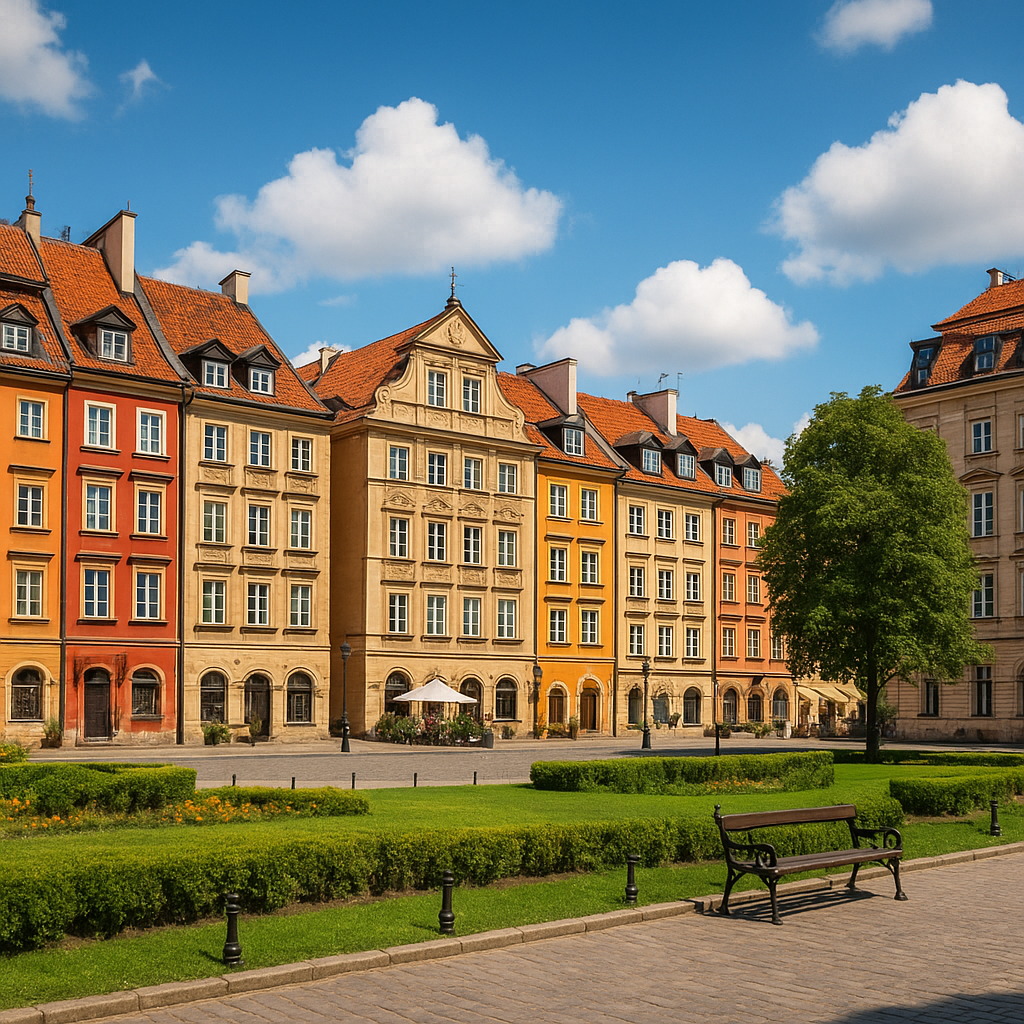
This is usually the postcard area: cathedrals, plazas, palaces, and cobblestone streets. Staying here often means you’re close to major sights and can walk everywhere.
Pros
- Maximum convenience for landmarks
- Easy to navigate as a first-time visitor
- Strong atmosphere—especially early mornings and late evenings
Cons
- More expensive
- Can be noisy or crowded
- Some areas feel less “local” due to heavy tourism
Best for: first-time visitors, short trips, people who want to walk to major attractions.
Museum quarter and arts institutions zone
Many cities cluster galleries, museums, concert halls, and libraries in one area. If you’re traveling specifically for exhibitions, performances, or architecture, this is a smart base.
Pros
- Ideal for culture-focused itineraries
- Often safe, clean, and well-connected
- Great cafés and bookshops
Cons
- Restaurants can be pricier
- The area may feel quiet after hours
Best for: art lovers, solo travelers, anyone planning multiple museum days.
Creative or bohemian area
These are the neighbourhoods with independent theatres, street art, vintage shops, and late-night bites. They’re often the most memorable places to stay—just not always the calmest.
Pros
- Strong local character
- Great nightlife and food scenes
- Fun to explore without a plan
Cons
- Noise at night is common
- Lodging varies in quality and comfort
Best for: couples, friend groups, travelers who enjoy energy and spontaneity.
Residential neighbourhoods with local markets
These districts aren’t always on the “top sights” list, but they’re where you find daily life: bakeries, parks, schools, and corner cafés. If you like a slower pace, these can be among the best neighbourhoods to stay.
Pros
- Often better value
- Quieter nights and more space
- More authentic day-to-day city feel
Cons
- Longer commute to main attractions
- Less English signage in some cities (which can also be part of the fun)
Best for: families, longer stays, repeat visitors, remote workers.
Emerging cultural districts (revitalized industrial zones)
Think warehouses turned into galleries, waterfront redevelopments, and design hubs. These areas can be exciting and modern, sometimes with excellent new hotels.
Pros
- Trendy dining and design-forward stays
- Great event spaces and contemporary culture
- Often walkable and scenic
Cons
- Can feel a bit “new” or less historic
- Some streets may still be in transition
Best for: design lovers, event-goers, travelers who like modern culture.
How to Identify True Cultural Districts (Not Just Tourist Zones)
The phrase cultural districts gets used loosely. A neighbourhood can be popular without being culturally rich in a meaningful way. If your goal is to connect with the city’s art, heritage, and community, look for signs of real cultural life.
What to look for on the map
- A mix of institutions: small galleries and major museums, theatres, music venues
- Libraries, universities, art schools, or historic societies
- Weekly markets, craft fairs, or community events
- Multiple independent restaurants (not just chains)
- Public squares where locals sit, talk, and linger
What to check quickly online
- Event calendars (neighbourhood theatre listings, live music schedules)
- Local newspapers or cultural magazines
- Reviews mentioning “locals,” “community,” “neighbourhood feel,” or “walkable”
A tourist-heavy area can still be a great base—but it’s helpful to know what you’re getting: convenience and landmarks, or a deeper sense of everyday culture.
City Accommodation Tips That Make a Big Difference
Choosing a neighbourhood is half the battle. The other half is picking a stay that supports your plans, especially in a busy cultural city where timing and mobility matter.
Prioritize transit access over “perfect location”
Even in walkable cities, you’ll likely have at least one day with a packed schedule. Staying near a metro stop, tram line, or a major bus route can save you time and energy.
A practical rule: aim to be within a 7–10 minute walk of a reliable public transport connection. That’s close enough to be convenient, far enough that you’re not living on top of a noisy station.
Check what “quiet” means in that neighbourhood
“Quiet street” can mean different things depending on the city.
- In historic centres, sound echoes off narrow streets.
- In nightlife areas, even a side street can be loud at 1 a.m.
- In residential zones, morning delivery trucks might be the main noise issue.
If you’re a light sleeper, look for:
- Double glazing / soundproofing mentioned in reviews
- Higher floors (if there’s an elevator)
- Courtyard-facing rooms
Don’t underestimate walkability—especially at night
During city travel planning, it’s easy to focus on daytime routes. But cultural trips often include evening concerts, theatre shows, or late dinners.
Ask:
- Is the route back well-lit?
- Are there people out, or does it get deserted?
- Will you feel comfortable walking, or will you need rideshare/taxi?
This isn’t about fear—it’s about making your trip feel smooth and relaxed.
Consider the “in-between hours”
Cultural travel often includes breaks: a nap after a museum, dropping off shopping, recharging before a night out. If you’ll be returning to your accommodation midday, staying closer to your main interests becomes more valuable.
If you’ll be out all day and only come back to sleep, you can stay farther out and save money.
Match the Neighbourhood to Your Travel Style
Different travelers need different neighbourhood features. Here’s a practical way to narrow down the best neighbourhoods to stay based on how you like to travel.
If you’re a first-time visitor
Pick a central area or a well-connected district adjacent to the centre. You’ll spend less time figuring things out and more time enjoying the city.
Look for:
- Easy transport links to the main sights
- Plenty of dining options
- A neighbourhood that feels lively but not chaotic
Avoid:
- Being directly on the noisiest square or nightlife street unless you love late nights
If you’re traveling for museums, theatre, and concerts
Stay near the arts institutions or a cultural corridor with venues you’ll visit multiple times. This reduces commute fatigue—especially after evening shows.
Look for:
- Short rides back after events
- A safe, well-lit area at night
- Cafés for pre-show or post-museum downtime
If you’re a foodie
Neighbourhood choice is everything. The best meals often happen outside the landmark zone.
Look for:
- A market hall or street market nearby
- Clusters of independent restaurants
- Areas known for local specialties rather than tourist menus
Tip: search the map for restaurants with local-language reviews. If you see long lines of residents at casual spots, you’re in the right place.
If you’re on a tight budget
Stay just outside the centre—but not so far that transport becomes expensive and time-consuming. Great value often lives one or two stops away from the main attractions.
Look for:
- Simple but safe residential districts
- Good public transport frequency (especially evenings)
- Grocery stores and casual eateries nearby
This is one of the most useful city accommodation tips: a “slightly outside” neighbourhood often gives you more space, better sleep, and more food options that don’t inflate prices for tourists.
If you’re staying longer (5+ days)
For longer trips, comfort matters as much as proximity. You’ll want parks, laundromats, supermarkets, and a neighbourhood rhythm you enjoy.
Look for:
- A pleasant morning routine area (coffee, bakery, park)
- Multiple transport options
- Lodging with a kitchen or kitchenette if you like cooking
If you’re traveling with kids
Families usually do best in calmer neighbourhoods with parks and easy transit. Being right in the historic core can be fun, but it can also mean crowds, noise, and limited space.
Look for:
- Playgrounds and open green space
- Short transit rides to major attractions
- Family-friendly restaurants (not just fine dining)
A Practical Neighbourhood-Choosing Checklist (Use This Every Time)
When you’re comparing areas and trying to decide where to stay in cities, run through this quick checklist. It keeps your choice grounded in reality—not just pretty photos.
Logistics
- How long does it take to reach your top 3 attractions?
- How close is the nearest reliable transit stop?
- What’s the late-night transport situation?
Comfort
- Is the area noisy at night?
- Are there cafés, pharmacies, and grocery stores nearby?
- Does the lodging have AC/heating if needed (big deal in older buildings)?
Safety and feel
- Would you feel okay walking back at night?
- Do reviews mention sketchy streets, scams, or constant noise?
Budget
- Are prices higher because it’s a landmark zone?
- Are there hidden costs (tourist taxes, parking fees, cleaning fees for rentals)?
Experience
- Does the neighbourhood encourage wandering and discovery?
- Are there local markets, small museums, or cultural events close by?
If a neighbourhood checks most boxes, it’s likely a strong pick—even if it isn’t the most famous.
Common Mistakes People Make When Booking in Cultural Cities
A few patterns show up again and again in travel forums—and they’re easy to avoid.
Mistake 1: Booking purely by distance, ignoring barriers
“Only 1.2 km away” can still be annoying if the route crosses a river with few bridges, a steep hill, or a confusing station interchange.
Fix: Use the map to preview walking routes and public transport directions at different times of day.
Mistake 2: Assuming the centre is always the best choice
Centres are convenient, but they can also feel crowded and overpriced. Some of the most charming cultural districts sit just outside the core.
Fix: Compare the centre with one nearby district that has strong transit. You might get more authenticity and better value.
Mistake 3: Underestimating noise
Cultural cities love late dinners, street life, festivals, and music. That’s part of the charm—until you’re trying to sleep.
Fix: Read reviews with keywords like “noise,” “street,” “bar,” “thin walls,” and “sleep.”
Mistake 4: Choosing a “cool” area with nothing you’ll actually do
A trendy district might look amazing on social media, but if you’re planning early mornings at historic sites across town, it can become inconvenient.
Fix: Pick your neighbourhood based on your itinerary, not someone else’s highlight reel.
How to Balance Culture, Convenience, and Cost
In most cultural cities, you’re balancing three things:
- Culture (atmosphere, local character, galleries, music, heritage)
- Convenience (walkability, transit, proximity to your plans)
- Cost (lodging price, food price, transport costs)
You typically get two easily, and the third takes compromise.
Three smart “sweet spot” strategies
1) Stay near the centre, not in it
Neighbourhoods bordering the historic core often offer similar convenience with fewer crowds and slightly better prices.
2) Stay on a direct transit line
Even if you’re farther out, being on a simple route (no transfers) keeps daily travel painless.
3) Spend on location, save on room extras
If you’ll barely be in your room, a smaller, simpler stay in a great neighbourhood can beat a luxury hotel far away.
This is where intentional city travel planning pays off: a neighbourhood choice can reduce the need for taxis, cut travel time, and help you feel connected to the city faster.
Quick “Neighbourhood Personality” Guide (So You Can Choose Faster)
When you’re scanning listings, try labeling areas with a personality type. It makes decisions easier.
“The Landmark Base”
- Central, historic, walkable
- Great for first visits and short stays
- Watch for noise and price
“The Culture Corridor”
- Museums, theatres, concert halls nearby
- Ideal for art-focused itineraries
- Can be quiet late at night
“The Local Favourite”
- Markets, parks, everyday life
- Great value and authenticity
- Requires a little commuting
“The Nightlife & Creative Zone”
- Bars, live music, street art
- Fun and energetic
- Choose carefully if you need sleep
“The Modern Remix”
- Revitalized waterfronts, design hotels, new galleries
- Comfortable and stylish
- Sometimes less traditional character
Once you know which personality suits your trip, finding the best neighbourhoods to stay becomes much less overwhelming.
Final Thoughts: Choose the Neighbourhood That Supports Your Best Days
A cultural city gives you a thousand options—monuments, museums, food, music, neighbourhood rituals you didn’t know existed until you arrived. The right place to stay doesn’t just “put you close to things.” It makes your days easier, your evenings calmer (or livelier), and your trip more memorable.
If you’re deciding where to stay in cities known for art and history, focus on fit over hype. Use practical city accommodation tips, look beyond the obvious tourist centre, and pay attention to the rhythm of different cultural districts. With thoughtful city travel planning, you’ll end up in a neighbourhood that feels like a small story of the city itself—one you’ll be happy to return to at the end of every day.
If you tell me the specific city you’re visiting, your budget range, and what you like doing at night (quiet dinners vs. music and bars), I can suggest the most suitable neighbourhood types and what to look for in listings.