
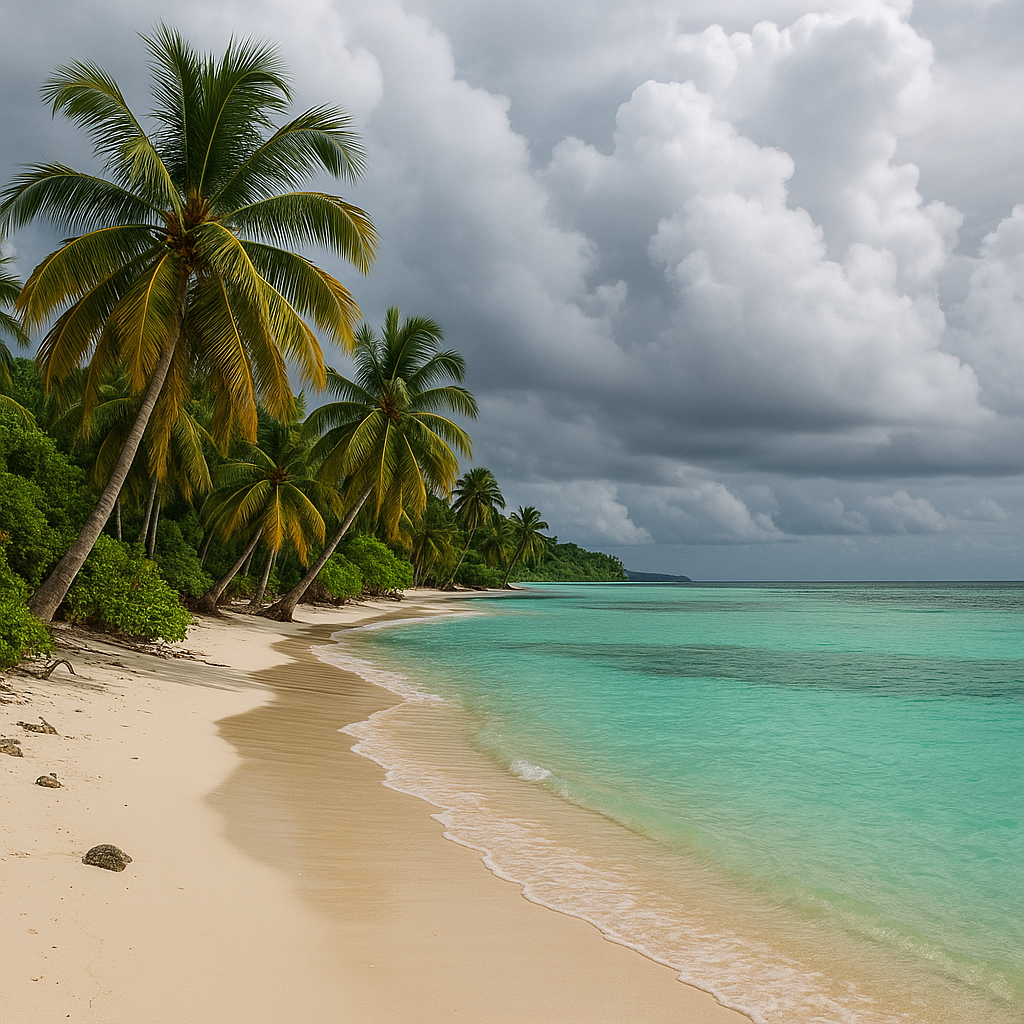

Discover the Joys of Island Travel Outside Peak Season
Island getaways are a dream for many, conjuring images of crystal-clear waters, sandy beaches, and tranquil vibes. While peak season might seem like the ideal time to visit, there’s a compelling case for venturing to off season islands. Choosing the right island travel timing can transform your holiday experience, offering a unique blend of serenity, affordability, and cultural richness that’s often missed during the bustling high season.
In this article, we’ll explore why island travel outside the peak season is a fantastic option, highlight the best times to visit various island destinations, and offer tips to make the most of your journey. Whether you’re a seasoned traveller or planning your first island escape, understanding the benefits of off peak travel can open up a whole new world of possibilities.
Why Choose Off Season Islands?
When people imagine island holidays, their minds typically jump to summer months or festive seasons – the peak times when crowds flock in, prices surge, and everything feels a bit overwhelming. However, shifting your travel dates to outside the busy months can offer tremendous rewards.
Peace and Quiet
One of the most obvious advantages of visiting islands during the shoulder or low seasons is the absence of large tourist crowds. Beaches that are packed in peak season become spacious, serene havens where you can truly unwind. Cafés, restaurants, and local attractions are more accessible too, which allows for a more authentic and relaxed experience.
Better Value for Money
Off season travel often means better deals on accommodation, flights, and activities. Hotels and resorts frequently offer significant discounts to attract visitors during quieter months. If you’re flexible with your travel timing, you can enjoy luxury stays and premium services without the premium price tag.
Enhanced Local Connections
Visiting islands outside of peak season means you’re more likely to engage with locals rather than just fellow tourists. This cultural immersion can enrich your trip, from discovering hidden gems to participating in traditional festivals and events that are often overshadowed by the busy season.
More Sustainable Tourism
There is growing awareness about the environmental impact of mass tourism on islands, many of which have fragile ecosystems. Travelling during quieter periods helps reduce pressure on local infrastructure and natural habitats, contributing to a more sustainable form of tourism that benefits everyone.
Understanding Island Travel Timing
Selecting the ideal island travel timing requires a little research since peak seasons vary based on location, climate, and local festivities. Here’s a guide to help understand the timing considerations and how to pick the best off season window that suits your preferences.
Climate and Weather Patterns
The weather is a key factor in island holidays. Most tropical islands have two pronounced seasons — a dry season and a wet season. Peak visitor months often coincide with the dry season when the sun shines consistently. However, the wet season doesn’t always mean constant rain; it can just be a few showers a day, leaving plenty of sunshine in between.
For instance, the Caribbean experiences its hurricane season from June to November, but travelling in late spring or early autumn can avoid the worst weather while still offering lower prices and fewer crowds. Similarly, Mediterranean islands have pleasant autumn and spring months with mild weather and comfortable sea temperatures.
Holiday and Festival Periods
Local festivals and holidays can cause spikes in visitor numbers. These aren’t always during what’s traditionally regarded as peak tourist months. Sometimes, cultural celebrations happen during off peak periods, providing a unique and vibrant experience without the usual crowds.
For example, the Greek islands see significant tourist numbers during July and August. However, visiting in May during the celebration of Orthodox Easter can be a delightful alternative, blending excellent weather with authentic cultural experiences.
School Holidays and Work Schedules
Peak seasons are frequently aligned with school breaks and public holidays, explaining the surge in family travellers and tour groups. Travelling outside these periods, perhaps during term time, can offer a quieter escape with better availability in hotels and flights.
Popular Off Season Islands to Consider
When choosing your next island destination with the goal of off season enjoyment, several locations stand out for offering excellent value, fewer tourists, and beautiful scenery year-round or during specific off peak months.
Canary Islands, Spain
The Canary Islands enjoy a subtropical climate, making them attractive almost all year round. Although winter months see an influx of holidaymakers escaping colder climates, spring and autumn remain pleasantly quiet with comfortable temperatures.
Tenerife and Lanzarote, for instance, offer stunning volcanic landscapes and idyllic beaches, where you won’t have to jostle for a sunbed during off peak months. Plus, the local culture thrives outside of heavy tourist influxes.
Maldives
While the Maldives’ peak season runs from November to April due to dry weather, visiting between May and October falls into the monsoon or wet season. This doesn’t equate to non-stop rain; plenty of sunny days punctuate periods of short showers.
During this time, resorts often provide enticing discounts, and you can enjoy underwater visibility that remains excellent, making it perfect for divers and snorkellers looking to explore at a quieter pace.
Greek Islands
The Greek Islands are iconic for summer holidays, bustling with tourists in July and August. However, late spring (April-May) and early autumn (September-October) are wonderful for visiting. These months combine pleasant weather with empty beaches, affordable accommodation, and vibrant local life.
Islands such as Crete, Rhodes, and Santorini are particularly inviting, with blossoming flowers in spring and the grape harvest season in late summer and early autumn.
Seychelles
Seychelles offers classic tropical appeal with two main tourist spikes: December to March and July to August. Off season months like April, May, and October-November are marked by mild rains but remain warm and delightful.
Choosing these months means fewer tourists, and you can witness the island’s lush nature without the crowd. Marine life watching and hiking become more intimate experiences in this quieter period.
Tips for Maximising Your Off Season Island Travel Experience
To make sure your off season island trip goes smoothly and is as enjoyable as possible, some planning and flexibility can go a long way.
Check Local Weather and Conditions
Even off peak season travel requires a careful check of weather forecasts. Understanding the local climate nuances ensures you pack appropriately and plan activities accordingly. Some islands might experience brief, heavy showers that quickly clear, so don’t let a bit of rain deter you.
Book Flexible Accommodation and Transport
Off season travel can sometimes be less predictable due to weather, so looking for flexible booking options on flights, ferry rides, and hotels is wise. This approach can save you stress if you need to make last-minute changes or cancellations.
Embrace Local Activities and Culture
Take the opportunity to engage with the local communities. Off season means less emphasis on tourist-centric offers and more chances to experience genuine island life. Attend village markets, sample traditional cuisine, and explore cultural sites for a richer travel story.
Prepare for Some Services to Be Limited
Some resorts and restaurants may close or have reduced hours during the off season. Research and contact your accommodation ahead of time to understand what will be available. Consider eating at locally-owned eateries, which usually remain open year-round.
Travel Insurance is Essential
Given the potential for weather disruptions off season, comprehensive travel insurance is prudent. This safety net protects against cancellations, delays, and unforeseen events.
Conclusion: The Hidden Gems of Island Travel Beyond the Crowds
Choosing the right island travel timing profoundly influences the quality of your holiday. Off season islands present an alluring alternative to the hectic peak months, offering not only financial savings but also deeper cultural connections, peaceful surroundings, and often, a greater appreciation for the environment.
Whether you lean towards the sun-drenched beaches of the Canaries, the underwater splendours of the Maldives, or the vibrant traditions of the Greek Islands, journeying outside the busy season cuts through the common tourist experience. It allows a more personal encounter with some of the world’s most stunning island destinations.
So next time you plan your escape, consider the possibilities that lie in the quieter months. The magic of an island holiday can shine just as brightly, if not more so, when taken off the well-trodden path. By embracing the charm of off season travel, you create memories that last far beyond the holiday itself.