
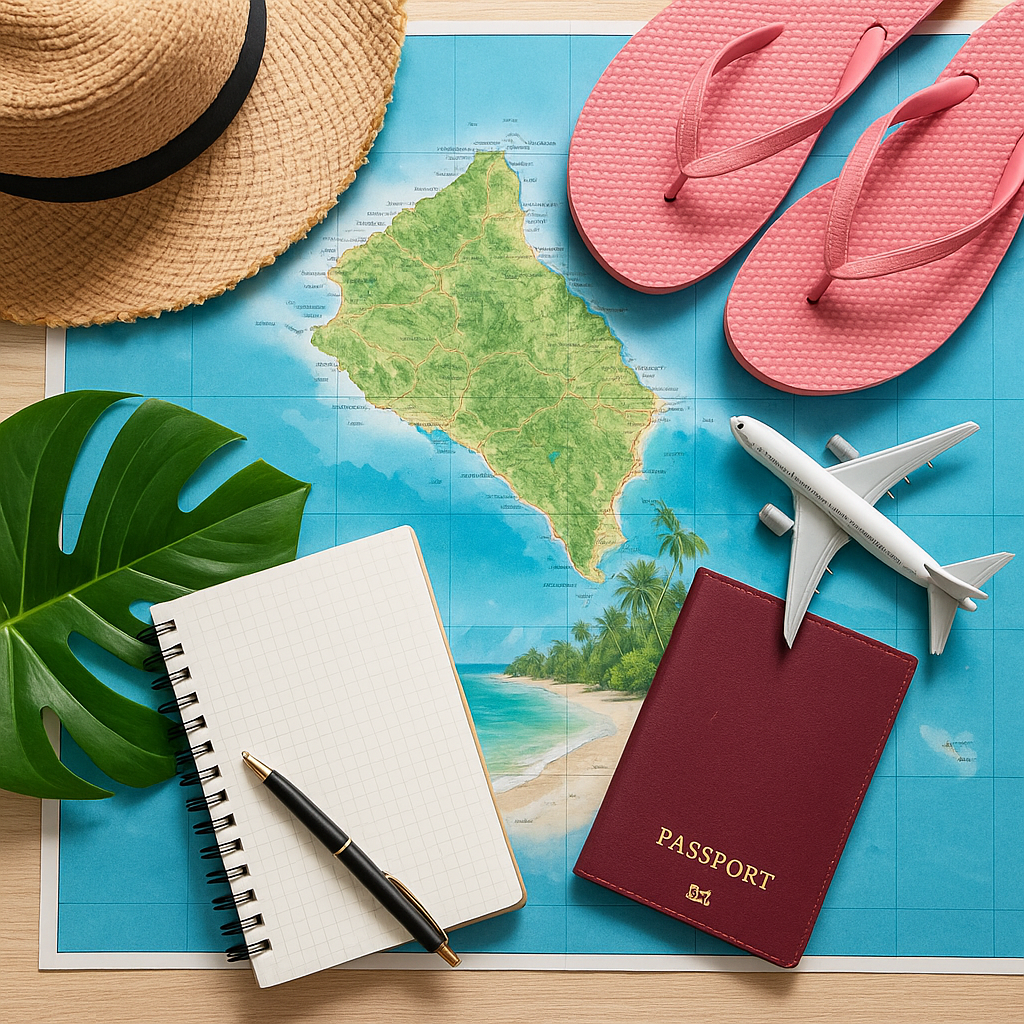

Planning Your First Island Stay: A Friendly Island Travel Guide
There’s something undeniably magical about islands — the promise of turquoise waters, swaying palms, and a blissful escape from everyday life. If you’re gearing up for your first island holiday, you’re in for a treat. But before you dive headfirst into sunbathing and beachcombing, a little bit of planning can make all the difference between a chaotic trip and a seamless adventure. This island travel guide will walk you through everything you need to know, from choosing the perfect destination to packing smartly and making the most of your time on the island.
Why Planning an Island Holiday Matters
Islands tend to offer unique experiences that differ from mainland holidays. Whether you’re heading to a tropical paradise like the Maldives, a cultural gem like Sicily, or something off the beaten path like the Faroe Islands, islands usually have different logistics, weather patterns, and amenities.
Without the right planning, it’s easy to find yourself caught off guard by limited transport options, unexpected costs, or even just forgetting essentials. On the other hand, a well-planned island stay can maximise relaxation, adventure, and memories that last a lifetime. So let’s start with the essentials.
Choosing the Right Island for Your First Stay
When choosing an island to visit, consider what kind of experience you want:
- Do you want a relaxing beach holiday or an activity-filled adventure?
- Are you visiting solo, with family, or a partner?
- What’s your budget?
- How far are you willing to travel?
Popular Island Destinations for Beginners
For first-timers, some islands stand out as particularly friendly and accessible:
- Sicily, Italy: Offers rich history, stunning beaches, and excellent food with easy access from major European cities.
- Madeira, Portugal: Known as the “Island of Eternal Spring,” it’s perfect for Nature lovers and hikers.
- The Azores: A group of volcanic islands ideal for whale watching, hiking, and geothermal springs.
- Jersey, Channel Islands: Offers a mix of British charm with French influences, great beaches, and historical sites.
Hidden Gems for the Adventurous Traveller
If you’re looking for something less crowded, consider islands like:
- Islay, Scotland: Famous for its whisky distilleries and rugged coastline.
- Skye, Scotland: Dramatic landscapes, fairy pools, and castle ruins await here.
- Scilly Isles: Quieter, with stunning flora and friendly locals.
By pinning down the kind of vibe you want, you’ll streamline your choices and have a more enjoyable island travel experience.
When Is the Best Time to Visit an Island?
Timing is key when planning island stays. The weather can vary drastically depending on the region and season. For tropical islands, dry seasons are best, generally avoiding monsoon periods. European islands have milder but more variable weather.
- Tropical islands: Usually the dry season falls between November and April. However, peak season means higher prices.
- Mediterranean islands: Late spring (May and June) and early autumn (September) are perfect — pleasant weather and fewer tourists.
- British Isles islands: Summer months have the warmest, longest days but can also be busy. Spring and early autumn bring quieter stays with decent weather.
Research the climate of your chosen island and try to travel when conditions are at their best, balancing weather, crowds, and budget.
Essential Steps for Planning Island Travel
Once you’ve picked your destination and dates, the next steps are practical but crucial.
Booking Transport and Accommodation
Island travel often means a bit more planning. Flights may be limited, and ferries have fixed schedules. Book transport early, especially if you want to grab the best deals or travel during peak times.
- Flights: Look for direct flights where possible. Alternatively, plan connections with enough buffer time.
- Ferries: Most islands serviced by ferries have set timetables. In some cases, it may be the only way on or off the island.
- Accommodation: From cosy guesthouses and eco-lodges to luxury resorts, book well in advance. Island stays can fill up quickly, notably in popular locations.
Planning Your Budget Realistically
Islands are often seen as luxury escapes, but they can vary widely in cost. Factor in:
- Transport costs (flights, ferries, transfers)
- Accommodation and food (island prices can be higher due to import costs)
- Activities and excursions
- Emergency funds
Keep an eye on currency exchange rates if travelling abroad, and don’t forget to check if your island requires any special permits or fees.
Packing Light but Smart
Packing can make or break an island holiday. Many islands have limited shopping options, and you might want to carry essentials with you.
Essentials to consider:
- Lightweight, breathable clothing for warm climates
- Swimwear and beach essentials
- A good pair of walking shoes for hiking or exploring
- Sun protection: hats, sunscreen, and sunglasses
- Waterproof jacket if visiting temperate or unpredictable climates like Scotland’s islands
- Travel adapters and portable chargers
- Reusable water bottle and eco-friendly toiletries
Keep your luggage manageable to avoid extra charges or hassle, especially if you need to transfer between flights, ferries, or taxis.
What to Expect When You Arrive
Once you land or dock, the island’s rhythm might be different to what you’re used to. Here’s how to settle in smoothly.
Transportation on the Island
Some islands have excellent public transport, while others rely mostly on taxis or rental vehicles.
- Rent a car if you want to explore extensively — but check if driving is on the same side of the road.
- Buses and shuttles might be limited but are economical.
- Bicycles and scooters are popular on smaller islands and offer great freedom.
Confirm transport options before arrival and book in advance if possible.
Local Culture and Etiquette
Each island will have its own culture, traditions, and etiquette. Being respectful helps you get a more authentic experience.
- Learn a few phrases if the local language isn’t English.
- Respect local customs and dress codes, especially near religious or cultural sites.
- Support local businesses by buying handmade crafts or eating at small, family-run restaurants.
Staying Connected
Island life sometimes means limited internet and phone reception. Consider:
- Bringing a local SIM card if you want constant connectivity.
- Downloading offline maps and travel apps.
- Planning “off the grid” time to enjoy the natural beauty without distractions.
Activities to Include on Your Island Stay
Islands offer a variety of activities to suit all tastes. Here are some popular options to consider:
Water-Based Adventures
- Snorkelling and scuba diving: Explore vibrant coral reefs and marine life.
- Kayaking and paddleboarding: Perfect for a calm day exploring the coastline.
- Boat tours: Whale watching, fishing trips, or sunset cruises.
Exploring the Local Landscape
- Hiking and nature walks: Many islands have trails offering breathtaking views.
- Visiting historical sites: Castles, ancient ruins, and quaint villages abound.
- Birdwatching or wildlife spotting: Some islands are sanctuaries for rare or migratory species.
Food and Drink Experiences
- Sample local seafood and island specialities.
- Visit markets for fresh produce and unique ingredients.
- Experience traditional festivals or cooking classes if available.
Tips for Making the Most of Your Island Stay
- Go early or late: Beaches and attractions are less crowded early morning or late afternoon.
- Stay flexible: Weather can change quickly, especially on small islands.
- Interact with locals: Often the best recommendations come from people who live there.
- Pack a sense of adventure: Islands can surprise you in the best ways.
Planning for Sustainability on Your Island Holiday
Many island ecosystems are delicate and vulnerable to tourism impact. Responsible travel helps protect these wonderful destinations.
- Avoid single-use plastics.
- Stick to marked trails.
- Respect wildlife and do not disturb habitats.
- Support eco-friendly accommodations and tours.
By travelling consciously, you ensure future visitors can also enjoy the island’s beauty.
Final Thoughts
Planning an island holiday involves more than just booking a flight and packing a swimsuit. By carefully choosing your destination, timing your visit well, and preparing thoughtfully, you’ll enjoy every moment of your first island stay to the fullest. This island travel guide aims to equip you with all the know-how for smooth sailing, whether you’re visiting a sun-drenched tropical paradise or a rugged, windswept island in the north.
So, begin your journey with confidence, embrace the island lifestyle, and savour the memories you create in your very first island getaway.
Would you like advice on specific islands or extra tips on travel essentials? Just ask — happy to help you plan your dream island escape!