
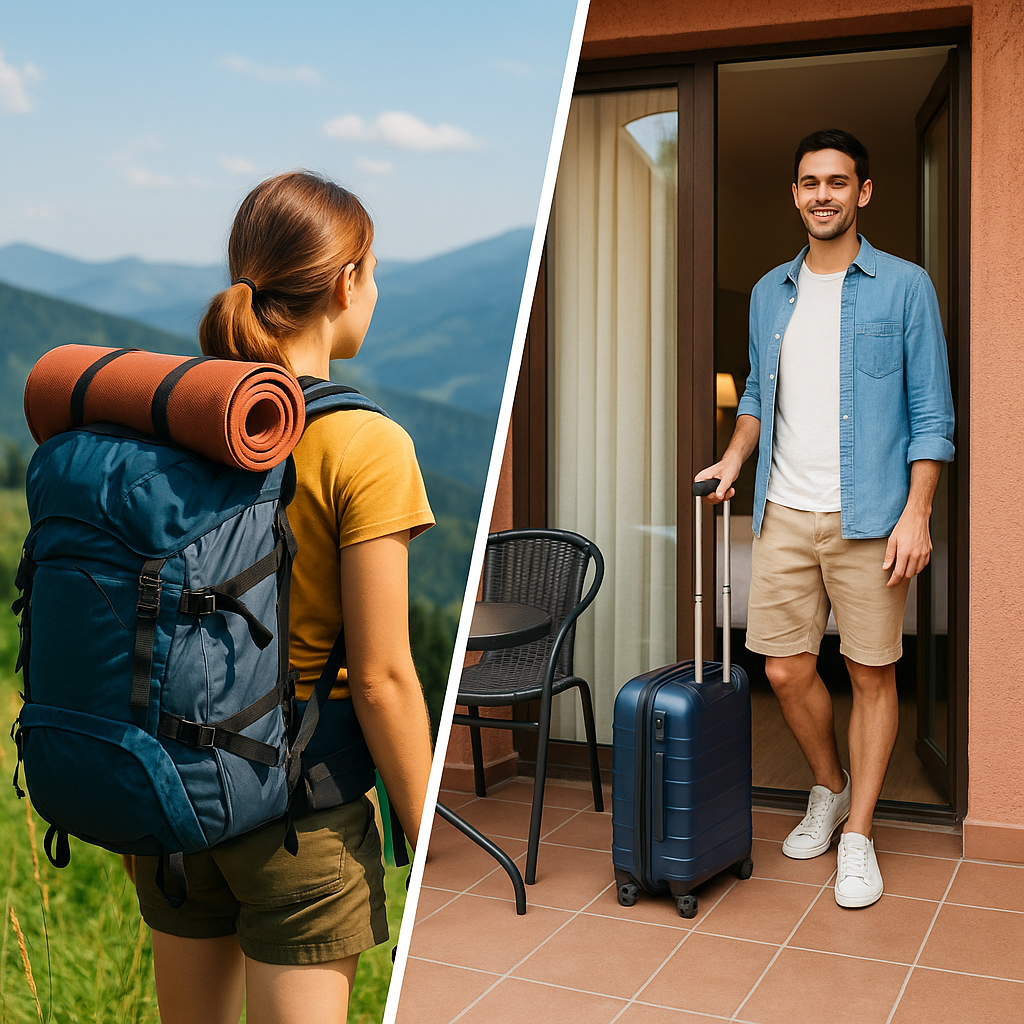

Backpacking vs Budget Comfort Travel: What Works Best?
When it comes to planning a trip without breaking the bank, many travellers grapple with the question: backpacking or budget comfort travel? Both approaches offer unique experiences and appeal to different types of wanderlust. Whether you’re chasing adventure on a shoestring or searching for a budget-friendly way to enjoy some creature comforts, understanding the pros and cons can help you decide which style suits your travel goals best.
In this article, we’ll delve into the ins and outs of backpacking and budget comfort travel. You’ll learn what each involves, how to prepare, and which might provide the most rewarding experience for your cheap holidays.
What is Backpacking?
Backpacking is generally defined as travelling with all your essentials in a rucksack, often on a tight budget, with an emphasis on local experiences and flexibility. It’s a popular choice for younger travellers and those eager to explore off-the-beaten-path destinations.
The Backpacking Lifestyle
Backpackers often rely on inexpensive accommodation such as hostels, guesthouses, or even camping. They tend to use public transport, meals are usually affordable street food or groceries, and the itinerary is fluid, adapting to new discoveries and opportunities on the road.
The appeal lies in the freedom, the authentic cultural encounters, and the thrill of adventure. Backpacking is often less about luxury and more about immersion in the local culture.
Ideal Destinations for Backpacking
Places with lower costs of living and reliable public transport networks are perfect backpacking spots. Southeast Asia, parts of Eastern Europe, and South America are among the most backpacker-friendly regions.
Understanding Budget Comfort Travel
On the other side of the spectrum lies budget comfort travel, which blends affordability with a higher level of convenience and comfort than traditional backpacking. This style appeals to travellers who want good value for money without completely sacrificing creature comforts.
The Budget Comfort Approach
Those opting for budget comfort might stay in budget hotels, boutique guesthouses, or well-rated hostels that offer private rooms and better facilities. They often prefer reliable, albeit economical, transport options like budget airlines or private transfers rather than just public buses.
Meals might involve a mix of home-cooked and casual dining at affordable cafes or restaurants. The focus is on a stress-free, well-balanced travel experience that doesn’t cost the earth.
Who Benefits from Budget Comfort Travel?
This approach is perfect for travellers who are less concerned with roughing it and more interested in enjoying their trip without hassle or discomfort. Older travellers, families, or people on longer trips who want consistency might find budget comfort travel more appealing.
Backpacking vs Budget Comfort Travel: Key Differences
To get a clearer picture, let’s break down the contrasts and help you gauge which type fits your style and needs.
1. Budget and Cost Management
Backpacking is often thought to be the cheapest way to travel, but it’s not always that simple. While accommodation and transport can be cheap, the lack of planning sometimes leads to unexpected expenses. On the other hand, budget comfort travel requires a bit more upfront planning and possibly a higher fixed budget, but it can often yield better value through well-researched deals and discounts.
Key takeaway: If pinching pennies is your main goal, backpacking tends to win. But budget comfort travel balances cost with peace of mind.
2. Accommodation Quality
Backpackers typically prioritise cost over comfort, opting for dorm-style hostels or shared rooms. Budget comfort travellers, however, seek affordable lodgings with private rooms, amenities like Wi-Fi, cleanliness, and sometimes breakfast included.
Key takeaway: If you prefer basic sleeping quarters and don’t mind sharing space, backpacking suits you. If a good night’s sleep and basic comforts matter, budget comfort travel is more appropriate.
3. Flexibility and Itinerary
Spontaneity is one of backpacking’s greatest draws. Plans are often minimal at the start, leaving room for spontaneous detours or longer stays at places you fall in love with. Meanwhile, budget comfort travel tends to involve more structured itineraries for booking accommodation and transport in advance, ensuring smooth logistics.
Key takeaway: If you thrive on flexibility and improvisation, backpacking is ideal. But if you prefer a more predictable schedule, budget comfort travel offers that.
4. Cultural Immersion
Backpacking places you in closer contact with locals and their daily lives. You’re often in bustling hostels or guesthouses where people swap stories and tips. Budget comfort travellers might stay in more polished environments but can still immerse themselves through day trips or cultural tours.
Key takeaway: Backpacking can deliver deeper local engagement. Budget comfort travel can balance immersion with comfort.
5. Safety and Convenience
Budget comfort travel tends to offer more security and reliability—private transport options, better accommodation standards, and access to assistance when needed. Backpackers might face occasional safety challenges, especially when travelling alone or in unfamiliar areas.
Key takeaway: For worry-free travel, budget comfort travel edges ahead. Backpacking requires vigilance but can work well with proper preparation.
6. Travel Pace
Backpackers often travel slower, lingering longer in fewer places to save costs and enjoy the vibe. Budget comfort travellers might move faster, hopping from one destination to the next with booked stays and transport.
Key takeaway: Consider how fast you want to see the world. Backpacking encourages a leisurely pace, budget comfort travel is more flexible.
How to Decide Which Travel Style Works Best for You
Now that you understand the main differences, here are a few questions to help make your decision easier.
What Is Your Travel Budget?
Understanding how much you can comfortably spend is the first step. If you have a very limited budget, then traditional backpacking might be your route to cheap holidays. If you can afford a bit more, budget comfort travel could offer a more pleasurable experience without breaking the bank.
What Are Your Comfort Needs?
How important is a comfy bed, proper showers, and privacy? If these are essential, budget comfort travel makes more sense. Backpacking often requires sacrificing a degree of comfort.
What Are Your Travel Goals?
Are you after adventure and spontaneity? Or do you want structured sightseeing with some downtime and stability? The former leans towards backpacking, the latter towards budget comfort.
Who Are You Travelling With?
Solo travellers often enjoy backpacking for the social aspects, while families or older travellers may opt for budget comfort travel for safety and convenience.
How Much Time Do You Have?
If you’re going for a long stretch, balancing comfort and cost might be crucial, leading you to choose budget comfort travel. Shorter trips or gap years often fit well with backpacking’s flexibility.
Tips for Mastering Both Styles of Travel
Whether you lean towards backpacking or budget comfort travel, certain practices can help you get the most out of your trip.
For Backpackers
- Pack light and smart — the right gear can be a game-changer.
- Learn a few phrases in the local language.
- Stay alert but open-minded for the best experiences.
- Use traveller forums and apps to find hidden gems and budget-friendly options.
- Prioritise safety: keep valuables secured and do your research about areas to avoid.
For Budget Comfort Travellers
- Book accommodation in advance to secure deals.
- Use price comparison sites and travel apps.
- Look for places with kitchen facilities to save on dining costs.
- Consider off-peak travel to get better rates.
- Balance sightseeing with downtime to recharge.
Combining the Best of Both Worlds
It’s worth noting that the travel styles don’t have to be mutually exclusive. Many travellers adopt a hybrid approach — backpacking through certain regions where infrastructure is limited, then switching to budget comfort travel in busier or more developed places.
This approach enables you to experience authentic adventure without sacrificing occasional comfort, especially on longer trips.
Why Both Options Make Cheap Holidays Possible
Regardless of which style you choose, the ethos behind cheap holidays remains: conscious spending, thoughtful planning, and willingness to embrace new experiences.
Backpacking is a tried-and-true method to maximise travel on a shoestring, while budget comfort travel proves you don’t have to compromise entirely on creature comforts to stretch your pounds further.
Final Thoughts
Ultimately, the answer to “what works best?” lies in your travel personality, goals, and budget. Backpacking may provide more spontaneity, cultural immersion, and cost savings, whereas budget comfort travel offers convenience, safety, and a more relaxed experience.
Whichever you choose, both can lead to unforgettable memories and enriching journeys. Start by asking yourself what kind of experience you seek, then plan accordingly. Happy travels!