
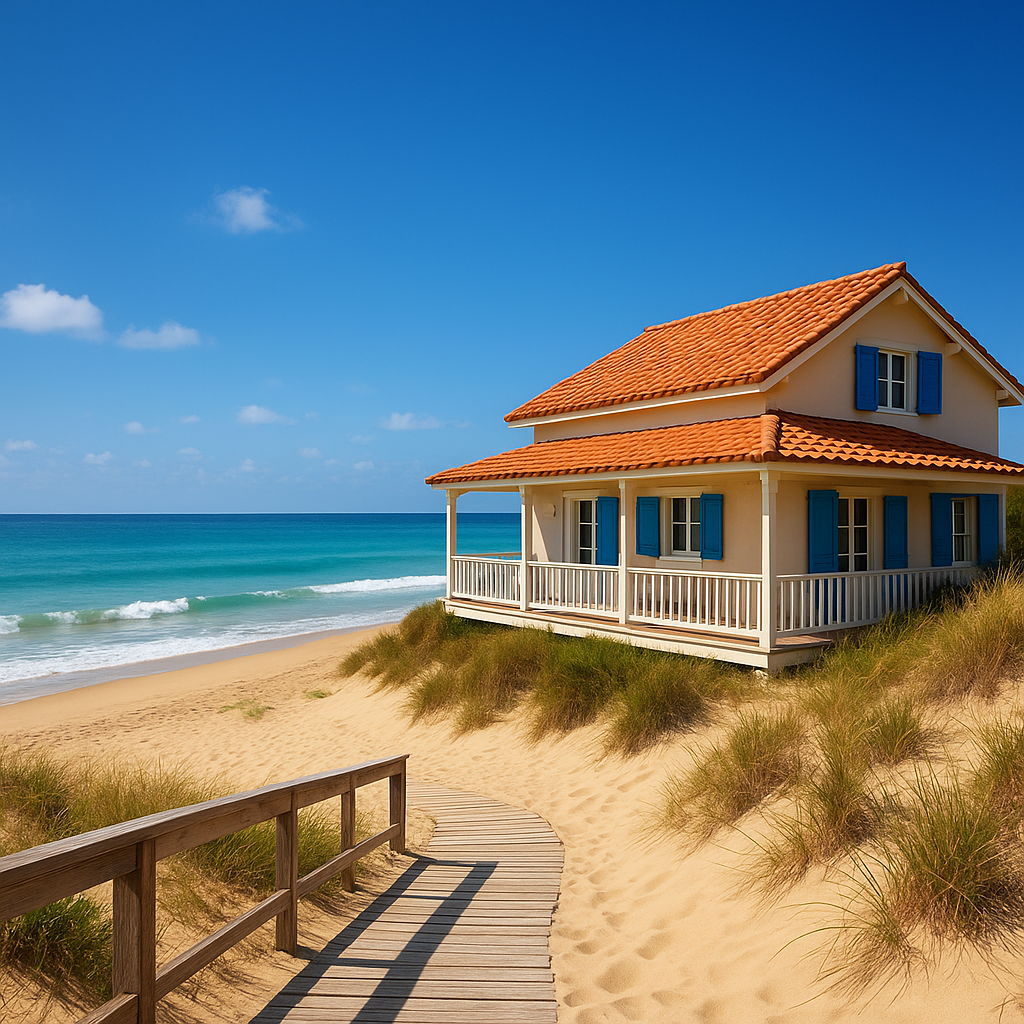

Beach accommodation, coastal stays, and seaside holidays aren’t just a nice change of scenery—they can be one of the smartest ways to plan an entire trip. When you choose staying by the coast as your “home base,” you’re not only booking a place to sleep. You’re setting yourself up for a rhythm that makes travel feel smoother, more flexible, and honestly more enjoyable.
A coastal base gives you a blend that’s hard to beat: restorative downtime, easy access to outdoor activities, and day-trip options that can reach deep into nearby towns, national parks, wineries, cultural sites, and even major cities. Whether you’re gathering beach travel ideas for a family break, a couple’s escape, or a solo reset, coastal destinations worldwide deliver that rare combo of convenience and calm.
Below, we’ll walk through why coastal bases work so well—and how to choose one that fits your style of travel.
The Coastal “Home Base” Advantage (and Why It Works So Well)
A travel base is the place you return to after exploring. It’s the anchor point that keeps your itinerary from turning into a packing-and-unpacking marathon.
Coastal destinations naturally make strong bases because they offer built-in balance. In many places, the beach is both an attraction and a recovery zone. You can do a full day of sightseeing inland, then come back to a sunset walk and a simple dinner by the water.
That balance matters more than most people realize—especially if you’re traveling for more than a few days.
It creates a built-in reset each day
Cities can be thrilling, but they can also be loud, crowded, and fast-paced. Mountains can be peaceful, but some areas require longer drives and higher-effort logistics. A coastal base often lands right in the sweet spot: enough energy nearby to stay entertained, and enough space to unwind without planning it.
Even if you’re not someone who “lies on the beach,” you’ll likely feel the difference in your pace. The ocean air, open horizons, and natural light can make mornings easier and evenings more restful.
You get flexibility without sacrificing variety
People sometimes worry that staying by the coast means every day looks the same. But in many regions, beaches sit within striking distance of very different landscapes—historic towns, countryside, mountains, islands, forests, or major cultural hubs.
With a coastal base, you can structure your trip around short adventures:
- A scenic drive and lunch in a vineyard area
- A half-day boat trip or snorkeling excursion
- A museum afternoon in the nearest city
- A hiking trail inland followed by an ocean swim
You can go big when you feel like it, and keep it simple when you don’t.
Beach Accommodation Is More Than a View—It’s a Travel Strategy
It’s easy to think beach accommodation is mostly about waking up to waves. That’s part of it, sure. But it’s also a practical decision that can improve your whole travel experience.
It helps you avoid over-scheduling
When your base is enjoyable, you don’t feel pressured to fill every hour with activities. That’s a major reason travelers come home feeling genuinely refreshed.
Instead of bouncing from place to place, you can choose one strong base and explore in layers—one neighborhood, one coastline, one inland route at a time.
It often simplifies meals and daily routines
Coastal towns tend to be set up for visitors: casual cafés, fresh seafood spots, markets, and grab-and-go options for beach picnics. That kind of infrastructure makes day-to-day life easier, especially for longer trips.
And if you’re traveling with kids or a group, that predictability is valuable. Nobody wants to debate restaurant plans every single night.
You can tailor the vibe by choosing the right type of stay
Not all coastal stays are the same, and that’s a big advantage. You can match your base to the kind of trip you actually want:
- Resort-style beachfront hotels for convenience and amenities
- Boutique guesthouses for character and local feel
- Apartments or villas for space, kitchens, and longer stays
- Eco-lodges or beach cabins for nature-first travel
- Surf camps for community and structured activities
The accommodation type becomes part of the experience, not just a backdrop.
Coastal Stays Make Day Trips Surprisingly Easy
One of the best reasons to base yourself near the water is how naturally coastal areas connect to interesting day trips. Many famous routes—ocean roads, cliff drives, island ferries—are built around shoreline travel.
You get multiple “mini-destinations” without moving hotels
When you stay in one spot, you can explore nearby areas without constantly checking in and out. That saves time, money, and energy.
A good coastal base often puts you within reach of:
- Historic old towns and markets
- National parks and scenic hikes
- Small fishing villages and harbors
- Lighthouse routes and coastal viewpoints
- Islands and bay cruises
Instead of seeing one place for a day, you can return to favorites or follow the weather.
Weather becomes part of the plan (in a good way)
Coastal weather can change quickly. That might sound like a downside, but it actually gives you flexibility—if you plan for it.
If the afternoon turns windy, you can switch to inland sightseeing. If the morning is sunny, you prioritize beach time. This kind of “choose your own adventure” rhythm is easier from a coastal base than from a rigid multi-city itinerary.
Seaside Holidays Naturally Support Rest and Well-Being
There’s a reason so many people associate seaside holidays with “real” relaxation. The coast encourages slower routines without forcing them.
The environment does some of the work for you
It’s easier to unwind when your surroundings are open and calming. Even short beach rituals—coffee outside, a morning swim, an evening walk—can create a vacation rhythm that feels restorative.
You don’t need to chase entertainment every minute because nature is already providing a sense of space.
It’s easier to build movement into your days
Beach destinations are surprisingly active if you want them to be. You can stay moving without formal plans:
- Swimming
- Paddleboarding or kayaking
- Beach runs or long walks
- Cycling along coastal paths
- Snorkeling, diving, or sailing
That gentle, regular movement can make trips feel better physically—especially if you spend the rest of the year sitting at a desk.
Coastal Bases Work for Almost Every Travel Style
A big reason coastal destinations worldwide are so popular is their versatility. The same shoreline can be romantic, adventurous, family-friendly, or even work-trip practical—depending on how you use it.
For couples: built-in romance without trying too hard
The coast is naturally “date-friendly.” You don’t need an elaborate plan when sunsets, waterfront dinners, and scenic strolls are easy to find.
If you’re looking for something more active, coastal bases also support memorable experiences like:
- Sunset sailing
- Beach horseback rides (in some regions)
- Cliffside hikes ending in a swim
- Spa days paired with ocean views
For families: the beach is an all-ages activity
Families often love staying by the coast because the beach is flexible and forgiving. Kids can play, teens can surf or snorkel, and adults can actually relax without needing constant entertainment.
Family-friendly coastal stays usually offer:
- Kitchens or kitchenettes for simple meals
- Walkable access to the beach (huge for convenience)
- Nearby grocery stores and casual dining
- Easy half-day excursions that don’t exhaust everyone
For solo travelers: social when you want it, peaceful when you don’t
Coastal towns are great for solo travel because they tend to be friendly and activity-based. It’s easy to join a group surf lesson, book a boat trip, or meet people at a beach café—without feeling like you have to “party” to connect.
At the same time, the ocean provides a calming background for downtime, journaling, reading, or slow mornings.
For remote workers: a base that improves your day-to-day
If you can work from anywhere, a coastal base can genuinely improve your quality of life. Many beach towns now cater to longer stays with stronger Wi-Fi, cafés, and coworking options.
A realistic remote-work coastal setup often looks like:
- Work mornings in a quiet apartment
- Midday swim or walk
- Afternoon focused hours
- Easy dinner and sunset decompress
It’s not about being on vacation every minute—it’s about making everyday life feel lighter.
Beach Travel Ideas That Pair Perfectly With a Coastal Base
If you like having options, coastal bases are ideal because you can mix simple beach days with a few “bigger” experiences. Here are a few easy combinations that work in many regions.
H3: The “two-speed” itinerary
This is a favorite for longer trips:
- Day 1: Arrive, settle in, explore your immediate area
- Day 2: Inland day trip (culture, food, historic sites)
- Day 3: Beach day (swim, read, nap, repeat)
- Day 4: Adventure day (boat, hike, surfing lesson)
- Day 5: Flexible day based on weather and mood
You’ll feel like you did a lot without feeling rushed.
H3: The food-first coastal loop
Coastal regions often shine when it comes to food. If you want a delicious trip without overplanning:
- Visit local fish markets early
- Try a regional seafood specialty
- Take a coastal cooking class
- Explore inland farms, wineries, or olive groves (depending on the destination)
Food-focused travel works especially well from a stable base because you can revisit your favorite spots.
H3: The active mornings, slow afternoons approach
This is perfect if you want to feel energized but not exhausted:
- Morning: snorkel, surf lesson, hike, or bike ride
- Afternoon: beach time, café hopping, light shopping
- Evening: sunset walk + casual dinner
It’s simple, repeatable, and satisfying.
Choosing the Right Coast: What to Look For in a Base
Not every coastal town makes a good base. Some are beautiful but isolated; others are lively but loud. A little planning goes a long way.
Prioritize walkability (or at least easy access)
If you’re booking beach accommodation, check whether you can walk to:
- The beach (ideally within 10–15 minutes)
- A grocery store or small market
- A few restaurants or cafés
- Public transit or parking (depending on your plans)
Being too car-dependent can add friction to every day.
Think about your ideal “coastal vibe”
Coastal stays can feel very different depending on the setting:
- Quiet coves and small towns: best for rest, reading, couples, nature
- Surf towns: energetic, social, active, often budget-friendly
- Harbor cities: great food, museums, boat trips, more variety
- Island bases: scenic and immersive, but check ferry schedules and costs
There’s no right answer—just choose based on how you actually travel.
Check seasonal realities
The same destination can feel completely different depending on when you go. Before you commit, consider:
- Water temperature and currents (especially for swimming)
- Windy seasons (important for comfort)
- Rain patterns and storm risk
- Peak crowds and pricing
If your goal is a calm base, shoulder season can be a game changer.
Cost and Value: Coastal Doesn’t Have to Mean Expensive
Some of the world’s most famous beach areas are pricey. But coastal travel isn’t automatically luxury travel.
You can save money by staying longer in one place
Basing yourself in one coastal spot can reduce transportation costs and eliminate repeated check-in fees, taxis, or intercity transfers. Many hosts also offer discounts for week-long or month-long stays.
Coastal stays often support self-catering
Having a kitchen or kitchenette can dramatically lower your daily spend—especially in popular areas. Even making breakfast at home can free up budget for a boat trip or a special dinner out.
You get “free” entertainment
A beach day can be one of the best days of your trip—and it doesn’t require a ticket. When your base includes nature as the main attraction, you’re not paying for constant activities to stay entertained.
Coastal Destinations Worldwide That Make Great Bases (By Travel Type)
There are standout coastal regions on nearly every continent. Rather than naming only the obvious famous beaches, it helps to think by “type” of base.
H3: For scenic drives and variety
Look for coastlines with iconic routes and lots of small stops—cliffs, viewpoints, villages, and beaches that change every few miles. These areas are ideal if you like day trips and photography.
H3: For culture plus the ocean
Choose coastal cities or large towns where you can combine museums, historic centers, and food scenes with easy access to the water. These are great if you want the beach without feeling “far from everything.”
H3: For nature and adventure
National-park coastlines, marine reserves, and rugged shorelines are perfect if your ideal trip includes hiking, wildlife spotting, snorkeling, kayaking, or diving.
H3: For a low-key, local feel
Smaller fishing towns and less-hyped beach areas can be incredible bases—often with better value, fewer crowds, and a more authentic pace.
The point is: coastal destinations worldwide aren’t one category. There’s a coastline for almost every travel personality.
Common Mistakes to Avoid When Staying by the Coast
A coastal base works best when you plan around a few practical details.
Booking too far from the water “to save money”
Sometimes the cheaper option is far inland, which adds time, transport costs, and hassle. If being near the beach is a big reason you chose the destination, factor walkability into your value calculation.
Ignoring wind and sun exposure
Two places can look similar in photos but feel totally different in real life. If you’re sensitive to wind or heat, read recent reviews and check what side of the bay or coastline you’re on.
Overpacking your itinerary
The coast is one of the few places where “doing less” often makes a trip better. Leave space for spontaneous decisions—like staying longer at a quiet beach you didn’t expect to love.
How to Make a Coastal Base Feel Like a Mini Lifestyle (Not Just a Trip)
The real magic of staying by the coast is how quickly it can stop feeling like a checklist and start feeling like a routine you don’t want to leave.
Here are a few simple ways to lean into that:
- Pick a “home café” for morning coffee
- Do one small ritual daily (sunrise walk, sunset swim, beach read)
- Plan only one major activity every other day
- Explore neighborhoods slowly instead of racing to landmarks
- Eat like a local at markets and casual spots, not just tourist restaurants
That’s how a base becomes more than a location—it becomes a pace.
The Bottom Line: A Coastal Base Makes Travel Easier, Calmer, and More Memorable
A great trip isn’t only about how many places you see. It’s also about how you feel while you’re traveling.
Beach accommodation and well-chosen coastal stays offer a rare combination: they simplify logistics, support day trips, and create a daily reset that makes adventures more enjoyable. Seaside holidays naturally encourage balance—active mornings, slow afternoons, and evenings that feel unrushed. And with so many coastal destinations worldwide, it’s easy to find a shoreline that matches your budget, style, and energy.
If you’re collecting beach travel ideas for your next getaway, consider making the coast your base—not just a side stop. You might find it’s the kind of travel setup that turns one good trip into a habit you want to repeat.