
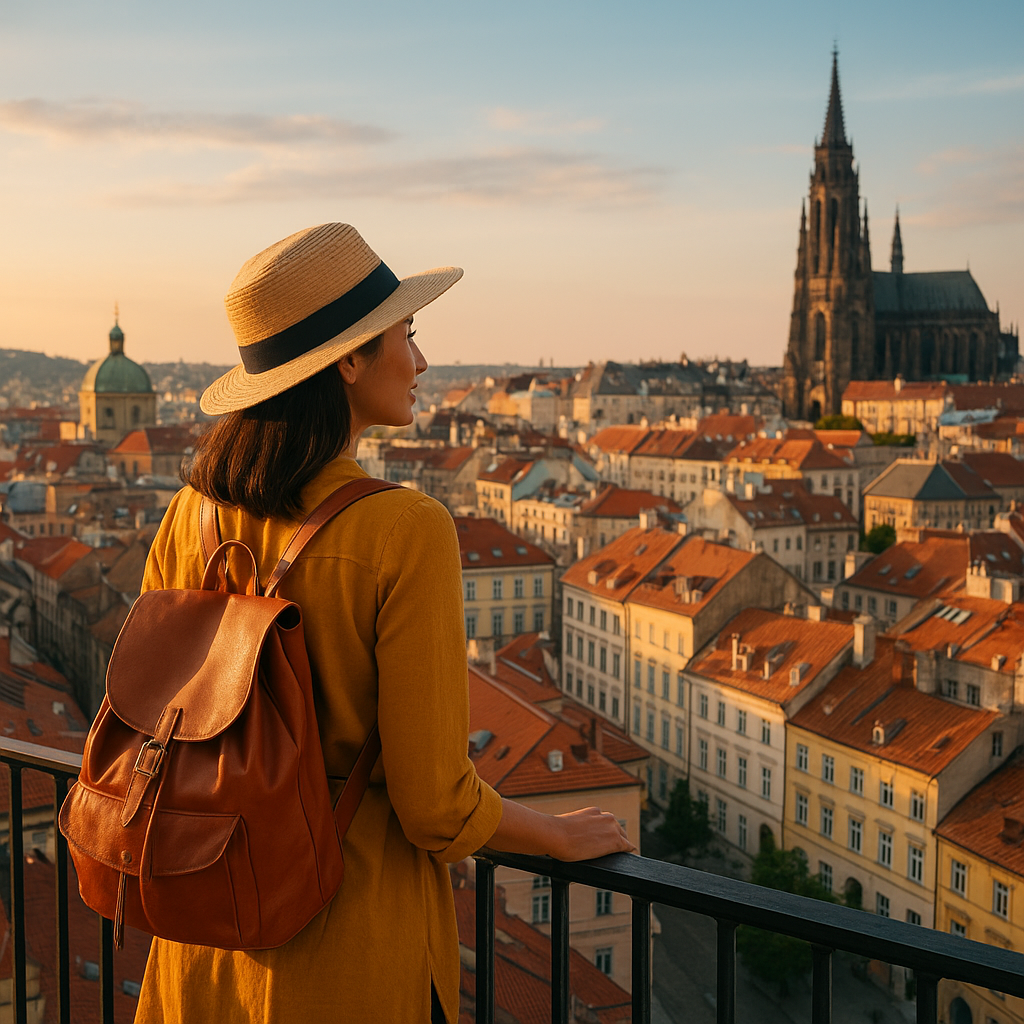

Why Cities Make the Smartest Starting Point for Cultural Travel
If you’re planning city breaks worldwide, there’s a good chance you’re already chasing culture—whether you call it art, food, history, music, or that hard-to-define “local vibe.” And that’s exactly why cultural city travel works so well: cities gather stories in one place. They’re where traditions are preserved, reinvented, argued over, celebrated, and served on a plate.
While beaches and countryside escapes have their charm, cities offer a rare combination of depth and convenience. You can spend the morning in a centuries-old cathedral, the afternoon in a contemporary gallery, and the evening in a neighborhood known for street food and live jazz—all without needing a car.
This guide breaks down what makes cities such a powerful base for cultural exploration, how to design richer urban travel experiences, and practical tips for staying in cities comfortably. Think of it as a friendly, realistic city accommodation guide plus a cultural roadmap—without the fluff.
Cities Concentrate Culture Like Nowhere Else
The biggest advantage of cities is density—not just of people, but of experiences.
In a single day, you can stack layers of culture in a way that’s hard to replicate elsewhere:
- Architecture from multiple eras on the same street
- Museums, galleries, theaters, and independent cinemas within a few metro stops
- Markets where regional traditions meet global influences
- Historic districts that still function as real neighborhoods
- Food scenes shaped by migration, trade, and local identity
Cities aren’t simply places you visit; they’re places where culture is actively produced. Artists create there. Chefs experiment there. Musicians perform there. Activists organize there. Publishers print there. If you want living culture—not just preserved culture—cities are your best bet.
Museums and Heritage Sites Are Easier to Access (and Compare)
One of the underrated joys of cultural travel is being able to connect the dots. Cities make that easier because they place major cultural institutions close together, and often within a shared historical context.
You can build a theme day without the logistics headache
In many destinations, you can curate your own “mini course” in culture:
- A morning museum visit for historical context
- A walking route through a district that reflects that history
- An evening show that brings it to life
For example, you might explore imperial history in the morning, see how it shaped the old town in the afternoon, and then watch a modern performance that critiques it at night. That kind of progression is hard to pull off when attractions are hours apart.
Big cities also offer contrast, not just highlights
Smaller towns can be beautifully preserved, but cities let you compare:
- National narratives vs. neighborhood realities
- Official museums vs. grassroots cultural centers
- Ancient heritage vs. modern movements
That contrast is where insight happens. You stop consuming culture like a checklist and start understanding it like a story.
Food Culture Is Richer (and More Varied) in Cities
Food is often the most immediate cultural experience you can have. You don’t need a guidebook to taste something meaningful. Cities make culinary culture easy to explore because they bring variety, competition, and tradition together.
Street food and markets show daily life
Markets aren’t just tourist attractions; they’re cultural mirrors. You learn what people eat, when they eat, and what they value. You also pick up small details—how locals greet vendors, what’s seasonal, what’s considered comfort food.
Immigration shapes city dining in the best way
Many iconic “local” food scenes are the result of migration. Cities become kitchens where cuisines blend, evolve, and turn into something new. That’s culture in motion, and it’s a huge part of what makes urban travel experiences feel dynamic.
You can explore by neighborhood, not just by restaurant
In cities, food is mapped geographically. One district might be famous for traditional dishes, another for late-night snacks, another for modern tasting menus. Exploring food this way turns your trip into a cultural walk rather than a list of reservations.
Cities Are Built for Exploration on Foot (or by Transit)
For cultural travel, mobility matters. If you’re constantly arranging transport, you have less energy for discovery.
Cities usually offer:
- Walkable districts with distinct identities
- Public transit that connects major sites quickly
- Ride options for late nights or tired legs
- Bike lanes and pedestrian zones in many destinations
That ease of movement means you can be spontaneous—one of the best things you can do on a cultural trip. It’s how you end up in a tiny photography exhibit you didn’t plan for, or in a bookshop hosting a reading in the back room.
The Best Cultural Travel Often Happens After Dark
Daytime sightseeing is great, but cities shine at night. Cultural life doesn’t end when museums close.
Live performance is a major reason cities work as a base
Depending on where you go, you might find:
- Theater and dance
- Jazz clubs, classical concerts, indie venues
- Comedy nights and poetry slams
- Seasonal festivals and street celebrations
Even if you’re not normally a “show person,” seeing one performance in a city can reframe your entire trip. It’s often the closest you’ll get to local emotion—what people laugh at, cheer for, argue about, or feel nostalgic about.
Night markets and late dining are cultural experiences too
Some destinations come alive late. If you stay outside the city center, you may miss the simplest cultural pleasures: a late bowl of noodles, a lively plaza, a spontaneous parade, or the way the city’s rhythm shifts after sunset.
If culture is your goal, a city base keeps you close to the action.
Cities Offer Many Ways to Learn—Even Without a Tour
A big part of cultural city travel is learning through small encounters. Cities are full of informal education if you know where to look.
- Public libraries with exhibits and reading rooms
- Pop-up markets, craft fairs, and design weeks
- University neighborhoods with lectures and events
- Community centers offering workshops
- Independent bookstores that reflect local discourse
You don’t have to “study” to learn. You just have to be in a place where ideas circulate—and cities are built for that.
Neighborhoods Make Culture Personal (Not Just Monumental)
Monuments can be impressive. But neighborhoods are where cultural travel becomes human.
When you spend time in a district that locals actually live in, you notice:
- How people use parks, plazas, and cafés
- What “everyday architecture” looks like
- How traditions show up in daily routines
- What changes from one area to another
Cities let you choose your own cultural pace. Some travelers want grand museums; others want street photography, local bakeries, and conversation. A city gives you options.
The real secret: pick fewer areas and go deeper
A common mistake on city breaks worldwide is trying to see too much. A better approach is to choose two or three neighborhoods and explore them thoroughly.
Walk them at different times of day. Sit for coffee. Visit a market. Pop into a small gallery. The more you slow down, the more cultural detail you’ll catch.
Cities Make Day Trips Easy (Without Losing Comfort)
Here’s where cities become the best base—not just a destination.
From a city, you can take day trips to:
- Historic villages and rural landscapes
- UNESCO sites outside the urban core
- Wine regions, temples, or archaeological parks
- Coastal towns or mountain viewpoints
And then you return to:
- Reliable dining options
- Comfortable accommodation
- Better transit links
- Evening entertainment
- More flexible plans
This mix is powerful. You can enjoy the calm of a countryside excursion without committing your entire trip to limited logistics.
If you’re traveling for culture, that flexibility matters. It lets you adjust based on weather, mood, and discoveries.
Cities Are Better for Solo Travelers and First-Timers
For many people, staying in cities simply feels easier—especially if it’s your first visit to a country or you’re traveling solo.
Cities usually provide:
- More accommodation choices in different budgets
- Better signage and tourist infrastructure
- More English-friendly services (though it varies)
- Safer “always-on” areas with people around
- Easier access to pharmacies, clinics, and essentials
That doesn’t mean every city is simple or perfectly safe—but it does mean you have more support systems. When you’re not stressed about logistics, you can spend your energy on what you came for: culture.
A Practical City Accommodation Guide for Cultural Travelers
Choosing where you sleep can shape your entire cultural experience. You don’t need the “best” hotel—you need the right base.
Below is a simple city accommodation guide designed for travelers who care about culture, walkability, and authenticity.
Stay near the neighbourhoods you’ll actually explore
A hotel can look central on a map and still feel disconnected from cultural life. Instead of focusing only on “city center,” ask:
- Is it near a historic district, museum cluster, or nightlife area you want?
- Can you walk to at least a few key spots?
- Do you have easy transit access for everything else?
A great rule: aim to be within a 20–30 minute walk or transit ride of your “must-do” cultural zones.
Choose character over size (when it makes sense)
For cultural travel, smaller properties often feel more connected to place:
- Boutique hotels in heritage buildings
- Guesthouses run by locals
- Design hotels that reflect the city’s creative scene
- Apartments in residential areas (with respectful guest behaviour)
Large chain hotels can be extremely convenient—especially for short stays—but they can also feel interchangeable. If culture is the priority, consider lodging that has a sense of location.
Soundproofing matters more than you think
Cities can be loud. If you’re planning late nights at performances or early mornings at markets, sleep becomes part of your strategy.
Check reviews for:
- Street noise
- Thin walls
- Construction nearby
- Club districts that don’t quiet down until 3 a.m.
If you love nightlife, staying near it is fun. If you want calm, stay close—but not inside—the loudest zone.
Think about “return time” after evenings out
Cultural travel often includes night events. Ask yourself:
- Will you feel comfortable getting back late?
- Is transit still running?
- Is it an easy, well-lit route?
Sometimes paying slightly more for a well-located base actually saves money (and stress) because you’re not relying on rides every night.
Short stays benefit from convenience
If you’re on a two- or three-night trip, prioritize:
- Easy check-in
- Luggage storage
- Proximity to transit
- Walkable food options nearby
This is especially true for city breaks worldwide, where time is limited and every hour counts.
Cities Offer Better Cultural Planning—Without Overplanning
A great cultural trip needs structure, but not rigidity. Cities make it easier to balance both.
You can plan anchors, then improvise the rest
Try this approach:
- Pick one “anchor” activity per day (major museum, show, landmark).
- Choose a neighborhood to explore around it.
- Leave open time for wandering, cafés, and surprises.
Because cities have so many options close by, you’ll never be “stuck” with dead time. If it rains, you swap a walking route for a museum. If you’re tired, you park yourself in a historic café and people-watch.
That flexibility is a hidden superpower of city-based travel.
Cities Make Cultural Travel More Inclusive and Accessible
Culture should be available to more people, not only those who can handle complicated logistics. Cities tend to be more accessible for a wider range of travelers.
You’re more likely to find:
- Step-free museum entrances and accessible transit options
- Tours tailored to different interests and mobility levels
- Multiple price points for food and accommodation
- Free events: public concerts, gallery openings, festivals
- Translation support in major attractions
While not every city excels at accessibility, the options are usually broader than in remote areas.
How to Get More Cultural Value From Any City Trip
Cities are packed with culture, but the best experiences don’t always announce themselves. These habits help you connect more deeply, whether you’re in a famous capital or an overlooked second city.
Visit one “big-name” site and one small local space
Pair a flagship museum with something smaller:
- A local history museum
- A neighbourhood art space
- A craft workshop
- A community market
That pairing gives you both the “official” story and the human-scale version.
Use local schedules, not just tourist itineraries
Look up:
- Theatre programs
- Exhibition calendars
- Cultural centre events
- Holiday celebrations
- Temporary installations
Cities are always hosting something. Even a small event can become your favorite memory because it feels personal and unrepeatable.
Take walking seriously (but not aggressively)
Walking is how you notice:
- How buildings change by district
- Small shrines, murals, plaques, and courtyards
- The way locals use public space
You don’t need a marathon day. Just commit to at least one long, unstructured walk during your stay.
Learn a few cultural cues before you arrive
Five minutes of research can prevent awkward moments and help you connect:
- Tipping customs
- Greeting etiquette
- Quiet rules in temples or churches
- Dining timing (especially in cities with late dinners)
When you respect the rhythm, you’re welcomed into it.
Why Staying in Cities Often Leads to Better Stories
The best travel stories usually begin with, “We were just walking and…” Cities are built for those moments.
Maybe you stumble onto a rehearsal in a public square. Maybe you find a tiny cinema showing classic films with subtitles. Maybe you wander into a festival you didn’t know existed. Those experiences happen because cities keep culture close and visible.
And when you’re staying in cities, those moments become easy to catch. You don’t have to plan everything. You just have to show up, walk out the door, and stay curious.
A Simple Way to Choose Your Next Cultural City
If you’re deciding between destinations for your next cultural city travel adventure, ask:
- Does the city have multiple layers of history (not just one “era”)?
- Can you explore neighborhoods easily without a car?
- Is there a strong food culture tied to local identity?
- Does it offer nightlife that matches your style (music, theater, markets)?
- Are there day trips nearby for contrast?
If you answer “yes” to most, you’ve found a city that will reward you.
The Bottom Line: Cities Are the Best Cultural Launchpad
Cities bring together museums, neighborhoods, food traditions, performance, architecture, and everyday life in a way that’s hard to match anywhere else. They’re efficient without feeling rushed—if you travel thoughtfully. They’re deep without being inaccessible—if you stay curious.
Whether you’re planning quick city breaks worldwide or longer, slower explorations, cities give you the strongest foundation for meaningful travel. With the right base, a flexible plan, and a good city accommodation guide mindset, you’ll do more than “see” a place.
You’ll understand it—one street, one meal, and one unexpected moment at a time.