
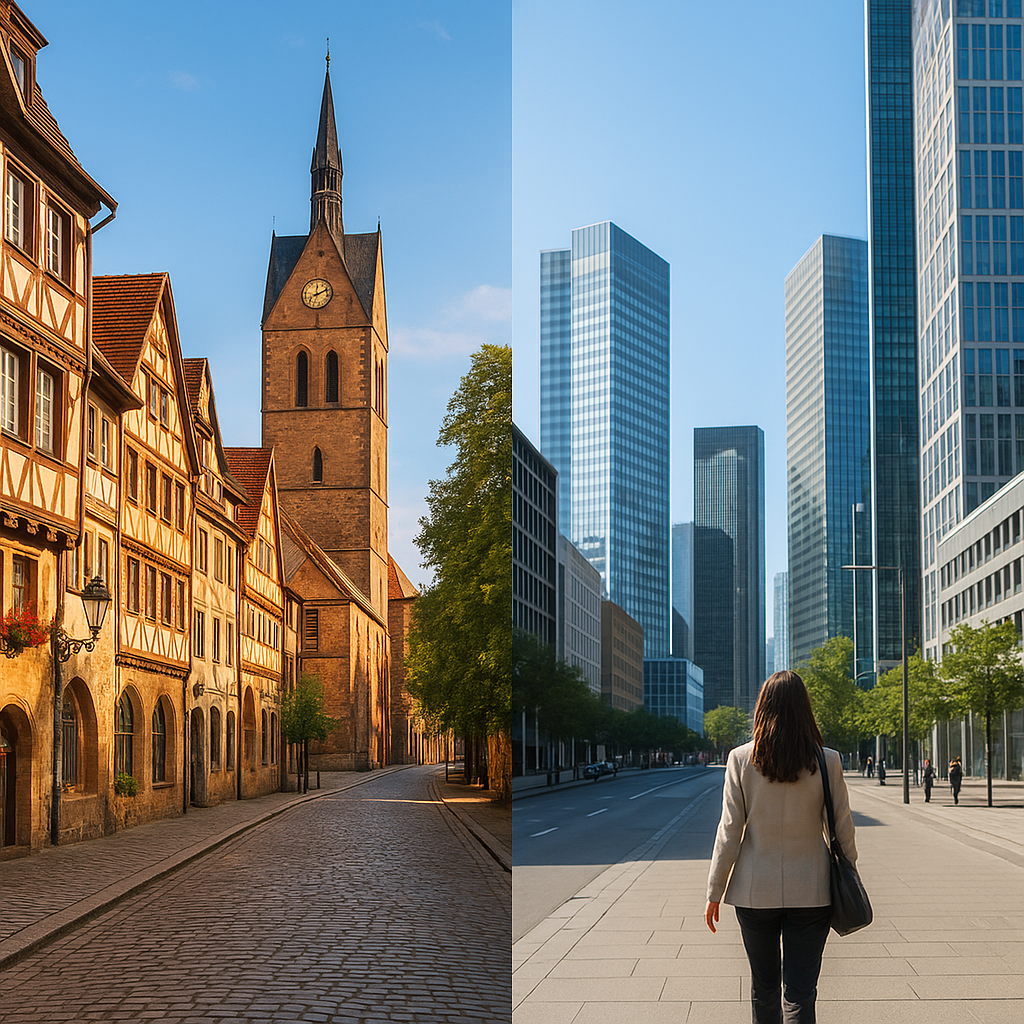

Historic Cities vs Modern Cities – Where Should You Stay?
Choosing where to stay can shape your entire trip—sometimes more than your flight or your itinerary. If you’ve ever debated between historic city breaks and sleek, skyline-filled destinations built for convenience, you’re not alone. The difference between cobblestone charm and glass-and-steel efficiency is real, and it affects everything from how you spend your mornings to how much you sleep at night.
In this guide, we’ll compare the two styles in a practical, traveler-first way. Whether you’re planning modern cities travel, hunting for the best old town accommodation, or deciding between city centre stays and quieter neighborhoods, you’ll leave with a clear idea of what fits your pace, priorities, and budget. Think of it as a friendly, no-pressure cultural city comparison—with plenty of real-world tips you can actually use.
What Do We Mean by “Historic” and “Modern” Cities?
Before you book anything, it helps to define the terms—because plenty of places are a mix.
Historic cities: the “layers of time” kind of place
Historic cities are known for preserved old quarters, heritage architecture, and walkable centers shaped long before cars existed. You’re usually dealing with:
- Medieval or colonial street layouts
- Landmark-heavy neighborhoods
- Public squares, markets, churches/temples, fortifications
- Local traditions that feel embedded in daily life
These are the places where you can step outside and immediately feel like you’re somewhere else.
Modern cities: the “built for now” kind of place
Modern cities are often defined by newer infrastructure, efficient transport, and high-density neighborhoods designed around business districts, shopping, and contemporary culture. You’re likely to find:
- Newer hotels with standardized comfort
- Wide sidewalks, easy navigation, accessible transit
- International dining, shopping, and nightlife zones
- Attractions focused on museums, design, food, tech, and events
If historic cities feel like a storybook, modern cities can feel like a well-run machine—in a good way.
The Real Question: What Kind of Trip Are You Trying to Have?
Where you should stay depends less on the city and more on you.
Ask yourself:
- Do I want to wander or optimize?
- Am I traveling for romance, culture, food, nightlife, business, or family time?
- Will I be out all day—or will I be back in the room often?
- Do I need elevators, AC, quiet, parking, or step-free access?
Your answers will push you toward either a historic neighborhood or a modern district—or a strategic blend of both.
Staying in a Historic City: The Best Parts (and the Trade-Offs)
There’s a reason people plan entire trips around old quarters. Historic areas offer atmosphere you can’t replicate.
Why historic neighborhoods can feel “worth it”
When you stay in an older district, your mornings start with the destination, not the commute.
The biggest benefits:
- Instant immersion. You don’t have to “go see the old town”—you live inside it.
- Easy sightseeing. Major landmarks are often nearby, meaning less transit planning.
- Romantic, memorable surroundings. You’ll remember the view from your window and the sound of the street.
- Local character. Independent cafés, small shops, and daily rituals feel more visible.
For travelers who love slow mornings, evening strolls, and spontaneous discoveries, old town accommodation can make a trip feel richer.
What can be challenging about staying in older areas
Historic districts can be magical, but they weren’t designed with rolling luggage and modern expectations in mind.
Common drawbacks:
- Noise. Plaza life is lively—sometimes until late.
- Stairs and no elevators. Older buildings can be charming but not always accessible.
- Small rooms. Space can be limited, especially in central heritage buildings.
- Taxi limitations. Narrow streets may prevent drop-off at the door.
- Temperature control. Some older properties don’t have strong AC or heating.
None of these are dealbreakers, but they’re worth knowing upfront—especially if comfort and sleep are top priorities.
Staying in a Modern City: The Biggest Advantages (and What You Might Miss)
Modern districts are built for movement: commuting, dining, events, and convenience. If you like a smoother, less “figuring it out” kind of trip, they can be a dream.
Why modern areas are easy to love
For many travelers, the best part of modern neighborhoods is how frictionless everything feels.
Key benefits:
- Reliable comfort. Hotels are often newer, with consistent amenities and soundproofing.
- Great transit connections. Easy metro access can make the whole city feel close.
- More room options. Bigger rooms, family suites, gyms, pools—often more available.
- Accessibility. Elevators, ramps, step-free entrances, and clearer signage are common.
- Business-friendly. If you’re mixing work with travel, modern districts make life simpler.
If you’re prioritizing rest, predictability, and getting around quickly, modern cities travel often means fewer surprises.
What modern neighborhoods sometimes lack
Convenience can come at the cost of character—especially if you’re far from historic landmarks.
Potential downsides:
- Less “sense of place.” Some areas feel interchangeable with other cities.
- Fewer photogenic streets. Skyscraper zones can be impressive but not always cozy.
- A commute to the charm. You might need to travel to reach the historic core.
That said, modern districts can still be culturally rich—just in a different way (design museums, food halls, contemporary art, live music, and sports).
The Location Dilemma: Old Town vs City Centre Stays
A lot of travelers assume “old town” and “city centre” mean the same thing. Sometimes they do—but not always.
When old town and city centre overlap
In many European and older global cities, the old town is the central hub. If that’s the case, you’ll get the best of both worlds:
- Walkability
- Landmark access
- Restaurants and nightlife
- Beautiful architecture
These are the trips where booking city centre stays inside the historic area is an easy win—if you choose the right street.
When “city centre” is modern—and the historic quarter is nearby
In other destinations, the modern downtown is the centre (financial district, shopping streets, business hotels), while the historic quarter sits slightly apart.
In that scenario, you need to decide what “centre” means for your trip:
- Centre for transit?
- Centre for nightlife?
- Centre for sightseeing?
A smart approach is to stay modern-central for convenience, then dedicate full days to exploring the historic area without rushing.
A Practical Cultural City Comparison: What You Actually Experience Day to Day
Instead of abstract pros and cons, here’s what tends to change in real life.
Morning vibe: ritual vs routine
- Historic stay: you step into a scene—church bells, morning markets, small bakeries.
- Modern stay: you get efficient coffee, quick transport, and a smoother start.
If mornings set your mood, this matters more than you think.
Evenings: strolling vs scheduling
- Historic stay: evenings are made for wandering. You can “accidentally” find your favorite place.
- Modern stay: evenings are often planned—reservations, shows, rooftop bars, nightlife districts.
Neither is better. It’s about whether you want spontaneity or structure.
Food: tradition vs global variety
- Historic areas often excel at traditional food and long-running local spots.
- Modern areas often offer broader international choices, trendier concepts, and late-night options.
If you’re traveling with picky eaters, modern districts can be easier.
Which Option Fits Your Travel Style?
Different travelers thrive in different settings. Here’s a simple matching guide.
Choose a historic area if you:
- Love walking and getting lost (in the good way)
- Want landmarks nearby
- Care about atmosphere more than square footage
- Enjoy boutique hotels, guesthouses, and unique apartments
- Are planning a short trip and want maximum immersion
Historic neighborhoods are especially strong for weekend getaways—true historic city breaks where you want to feel the destination in every moment.
Choose a modern area if you:
- Want predictable comfort and quiet
- Prefer easy metro access and smooth navigation
- Need step-free access, elevators, or family-friendly layouts
- Are mixing work and leisure
- Want contemporary dining, shopping, and nightlife close by
Modern districts shine when your schedule is full and you want your accommodation to support it, not complicate it.
Consider splitting your stay
If you’re traveling for 5+ nights, a split stay can be a game-changer:
- 2 nights in the old town for atmosphere and sightseeing
- 2–3 nights in a modern district for comfort and exploration farther out
It’s a simple way to experience both without feeling like you “missed” anything.
Budget Reality: Where You’ll Spend (and Save) Money
The cost difference isn’t always what people expect.
Historic areas: you pay for the location (and the story)
Staying in an old quarter can be pricier per square meter, especially during peak seasons. You may get:
- Smaller rooms for higher rates
- Unique properties with fewer amenities
- Higher demand due to limited inventory
But you might also save money by walking everywhere and using fewer taxis.
Modern areas: better value, more space
Modern districts often deliver stronger value for:
- Larger rooms
- Facilities (gym, pool, business lounge)
- Deals with larger hotel chains
You might spend more on transit to reach top sights, but daily comfort can be higher.
Tip: If the historic area is expensive, look just outside it. Being a 10–20 minute walk away can cut prices significantly while keeping the vibe within reach.
Comfort vs Character: How to Choose the Right Property
This is where many trips are won or lost. It’s not just “historic vs modern,” but which building.
If you’re booking old town accommodation, check:
- Air conditioning/heating details (don’t assume)
- Elevator access (especially above the second floor)
- Soundproofing or notes about nightlife nearby
- Drop-off point for taxis and transfers
- Bathroom photos (older plumbing layouts vary)
A historic building can be incredible, but you want to know what kind of “historic” you’re signing up for.
If you’re booking in a modern district, check:
- Neighborhood feel at night (business zones can be empty after work)
- Distance to restaurants (not just distance to tourist spots)
- Transit lines (one direct line beats three transfers)
- Window and view situation (some rooms face internal atriums)
Modern hotels can be super comfortable—just make sure the area matches your energy.
Getting Around: Walkability, Transit, and “Travel Time Tax”
One of the biggest hidden costs of staying in the wrong area is time.
Historic districts: great on foot, tricky by car
Old quarters are often ideal for walking. That’s the point. But if your trip includes day tours, luggage transfers, or early flights, logistics can be tougher.
If you’re arriving late with heavy bags, choose a property with clear instructions and realistic access.
Modern districts: great for connections
Modern areas usually win for:
- Direct metro lines
- Airport connections
- Ride-share pickup
- Clear signage
If you’re planning to explore multiple neighborhoods (or take day trips), modern districts can reduce friction.
Safety and Peace of Mind: What Matters More Than “Historic vs Modern”
Safety varies more by neighborhood than by city type.
A better way to evaluate a stay
Instead of assuming “old town is safe” or “downtown is risky,” look for:
- Well-lit streets and active ground-floor businesses
- Recent reviews mentioning noise, crowds, or discomfort
- Distance from late-night party corridors (unless that’s your goal)
- Easy routes back at night (not complicated alleys if you’re uncomfortable)
In both historic and modern zones, the best indicator is often the tone of recent guest feedback.
How to Decide Fast: A Simple Checklist
If you want a quick answer, use this:
Pick historic if most of these are true:
- You have 2–4 nights and want full immersion
- You’ll walk more than you’ll transit
- You don’t mind quirks (stairs, smaller rooms)
- You want iconic views and atmosphere
Pick modern if most of these are true:
- Comfort, quiet, and sleep are essential
- You want easy access to multiple parts of the city
- You’re traveling with family or need accessibility
- You like contemporary restaurants, shopping, and events
And if you’re still torn, prioritize your “non-negotiable.” For some people it’s location; for others it’s sleep. The right choice is the one that protects the thing that makes travel enjoyable for you.
Final Thoughts: The Best Stay Is the One That Matches Your Pace
There’s no universal winner in the historic-versus-modern debate—just the best fit for the trip you’re taking right now. Historic neighborhoods give you that cinematic feeling and make historic city breaks unforgettable. Modern districts make modern cities travel smoother, more comfortable, and often better value.
If you’re craving charm, book old town accommodation and let the city’s history do the heavy lifting. If you want efficiency and rest, choose smart city centre stays in a modern area with strong transit. Either way, the sweet spot is aligning your location with your lifestyle—not someone else’s highlight reel.
If you tell me your destination, trip length, and what you care about most (walkability, quiet, nightlife, budget, or accessibility), I can suggest the best type of neighborhood to target.