
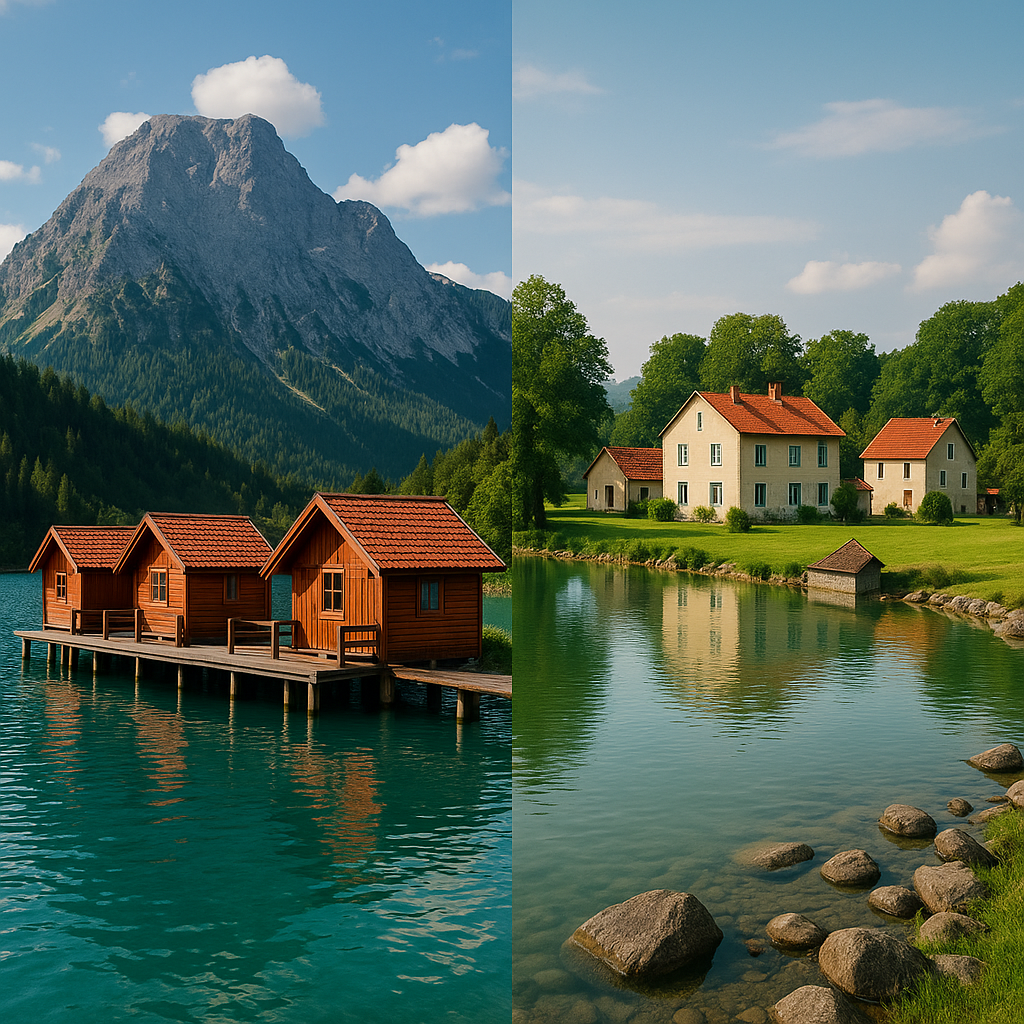

Mountain Lakes vs Lowland Lakes: Choosing Your Stay
When it comes to planning a tranquil getaway, few choices are as appealing as spending time near a lake. These serene bodies of water offer breathtaking views, opportunities for outdoor activities, and a peaceful environment to unwind. But for those seeking the perfect lakeside escape, a key decision often emerges: mountain lakes or lowland lakes? Both options offer unique experiences, and understanding the differences can help you choose the ideal accommodation that suits your preferences and holiday goals.
In this article, we’ll explore what makes mountain lakes and lowland lakes special, focusing on accommodation styles, activities, scenery, climate, and practical considerations. Whether you’re after rugged beauty or gentle landscapes, the insights below will guide you to your dream lakeside retreat.
Understanding Mountain Lakes and Lowland Lakes
Before diving into specifics, it’s helpful to clarify what distinguishes mountain lakes from their lowland counterparts.
Mountain lakes typically form at elevations above 1,000 metres (3,280 feet) or within hilly and mountainous terrain. They often originate from glacial activity or natural damming and boast crystal-clear waters surrounded by jagged peaks or dense forests.
Lowland lakes are generally found in flat or gently rolling landscapes at lower altitudes. They are often larger and can be part of complex river systems or formed by historical geological shifts. These lakes tend to have warmer waters and are surrounded by farmland, meadows, or shallow woodlands.
Each type of lake offers distinct benefits and can influence the type of accommodation and holiday experience you enjoy.
Accommodation Near Mountain Lakes: Rustic Elegance Meets Outdoor Adventure
If you’re drawn to crisp, fresh air and dramatic scenery, mountain lakes offer a perfect backdrop for an active, rejuvenating break. Accommodation here tends to blend rustic charm with modern comfort to complement the natural surroundings.
Types of Accommodation
- Chalets and Cabins: Traditional wooden chalets with cosy interiors and open fireplaces are common near mountain lakes. These offer seclusion and an authentic mountain vibe.
- Boutique Lodges: Some areas have small lodges or boutique hotels that provide luxury touches, including spa services and gourmet dining amidst rugged landscapes.
- Camping and Glamping: For those who love the great outdoors, campsites and glamping pods near mountain lakes provide a more immersive experience.
- Self-Catering Cottages: Ideal for families or groups, these cottages often come with fully equipped kitchens and spacious living areas.
What to Expect
Mountain accommodation tends to focus on being a base for exploration. Properties typically offer easy access to hiking trails, climbing routes, and water activities. The atmosphere is quieter and more secluded, perfect if you are seeking peace away from bustling tourist centres.
Because of higher altitudes, nights may be cooler, which can be a welcome relief during summer months. However, this also means bookings peak in summer and early autumn when the weather is most comfortable.
Accommodation Near Lowland Lakes: Relaxed and Accessible
Lowland lakes are ideal for travellers who prefer gentler landscapes and a more laid-back pace. Accommodation here often caters to families, couples, and those who want easy access to amenities and cultural attractions.
Types of Accommodation
- Hotels and Resorts: Many lowland lakes have well-established hotels or resorts that offer recreational facilities like pools, sports courts, and restaurants.
- Bed and Breakfasts: Quaint B&Bs near lowland lakes provide a more intimate experience with local hospitality.
- Holiday Parks: These often feature caravan sites, lodges, and cabins with plenty of activities for children and organised entertainment.
- Farm Stays: For a unique experience, farm stays near lowland lakes can immerse you in rural life with opportunities to engage with animals and local agriculture.
What to Expect
Accommodation near lowland lakes usually provides convenience, with nearby towns, shops, and cultural sites. The water tends to be warmer, making swimming and water sports more enjoyable.
The atmosphere is often more social and family-friendly. It’s an excellent choice if you want a balance of nature and modern comforts, or if you’re travelling with young children.
Comparing Mountain Lakes and Lowland Lakes: Which Suits You?
Choosing between mountain lakes or lowland lakes accommodation largely depends on your interests, the type of holiday you want, and practical considerations such as travel time and accessibility.
Scenic Beauty and Atmosphere
Mountain lakes offer dramatic views — think towering peaks reflected in glassy water, alpine flowers, and crisp air. The feeling is often one of solitude and connection with wild nature. By contrast, lowland lakes provide gentle, pastoral vistas often dotted with wildfowl, fields, and meandering walking paths. The vibe is more relaxed and pastoral.
Activities and Recreation
If hiking, mountain biking, and water sports such as kayaking across clear mountain waters appeal to you, mountainous lakeside accommodation fits perfectly. The terrain may be more challenging but equally rewarding.
Lowland lakes tend to cater to quieter activities — fishing, canoeing, picnicking, cycling on flat trails, and birdwatching. There’s also more scope for family-friendly events and easy access to cultural and historical attractions.
Climate and Weather
Mountain lakes generally have cooler temperatures year-round, with crisp evenings even in summer. Winters can be harsh and snowbound, making this a seasonal destination for some.
Lowland lakes typically enjoy milder, warmer climates during summer, perfect for swimming and outdoor dining. Winters are less severe but can be damp.
Accessibility and Amenities
Generally, lowland lakes have better road access, more frequent public transport links, and a wider range of eateries and shops nearby.
Mountain lake accommodation can be more remote, which might be appealing if you want to unplug but can mean longer travel times and fewer convenience stores.
Essential Tips for Booking Lakeside Accommodation
Whether you decide on mountain lakes or lowland lakes, choosing the right property will enhance your experience immensely. Here are some pointers to help you pick accommodation you’ll love:
1. Prioritise Location
Consider how close the accommodation is to the lake itself and to other attractions you want to visit. A lakeshore cabin offers sunrise views and easy water access, but deeper inland properties may provide better privacy.
2. Choose the Right Type of Stay
Are you looking for luxury, budget-friendly, family-oriented, or adventure-ready lodgings? Narrowing this down early helps filter options efficiently.
3. Check Reviews and Ratings
Guest reviews can reveal hidden gems or warn you about inconveniences. Look for comments on cleanliness, staff friendliness, and accuracy of the listing description.
4. Consider Facilities and Services
Think about whether you need a kitchen, Wi-Fi, parking, or pet-friendly policies. Mountain lake accommodation may have limited connectivity, so plan accordingly.
5. Look For Seasonal Deals
If you are flexible with dates, off-peak bookings can offer excellent value and more tranquillity, especially at mountain lakes.
How to Make the Most of Your Lakeside Holiday
Choosing the perfect accommodation is just the start. Here are a few ideas to maximise your time, no matter which type of lake you pick:
- Early Morning Walks: Nearly all lakes are stunning at dawn when the light is soft and wildlife is most active.
- Try Local Cuisine: Ask your hosts for recommendations to experience regional food, which can be especially delightful in mountain or rural settings.
- Pack Smart: Weather for mountain lakes can change rapidly – bring layers, waterproofs, and sturdy footwear.
- Rent Equipment Locally: From paddleboards to fishing rods, many lakeside areas offer rentals, reducing the hassle of packing bulky gear.
- Unplug and Reconnect: Whether it’s mountain solitude or gentle lowland charm, use your time near the lake to relax, read, or meditate.
Final Thoughts: Your Perfect Lakeside Escape Awaits
Both mountain lakes and lowland lakes offer compelling reasons to visit, with accommodation options designed to enhance their natural charm. Mountain lakes provide a stunning setting for outdoor enthusiasts craving crisp air, dramatic landscapes, and rustic retreats. Lowland lakes cater more to those who seek warmth, accessibility, and a family-friendly atmosphere.
By reflecting on your holiday style, interests, and logistical needs, you can confidently choose the perfect lakeside setting for your next trip. Whichever you favour, the calm waters and scenic beauty are sure to offer a memorable pause from everyday life.
Frequently Asked Questions
Which lake type is better for family holidays?
Lowland lakes often provide more amenities and gentler environments ideal for families with young children.
Are mountain lake accommodations suitable year-round?
Many mountain lodgings operate seasonally due to snow and weather conditions, typically open from late spring to early autumn.
Can I find luxury accommodation near mountain lakes?
Yes, boutique lodges and upscale chalets are increasingly popular in mountain lake regions, combining comfort with nature.
Is swimming safer in lowland lakes?
Lower altitudes and warmer temperatures often make lowland lakes more comfortable for swimming, though safety depends on local conditions.
Do both lake types offer water sports?
Absolutely — whether it’s kayaking in mountain lakes or sailing on lowland lakes, there are options across different skill levels.
Ready to plan your lakeside adventure? Whether nestled among soaring peaks or amidst gentle lowlands, your ideal accommodation awaits near shimmering waters inviting you to create unforgettable memories.