
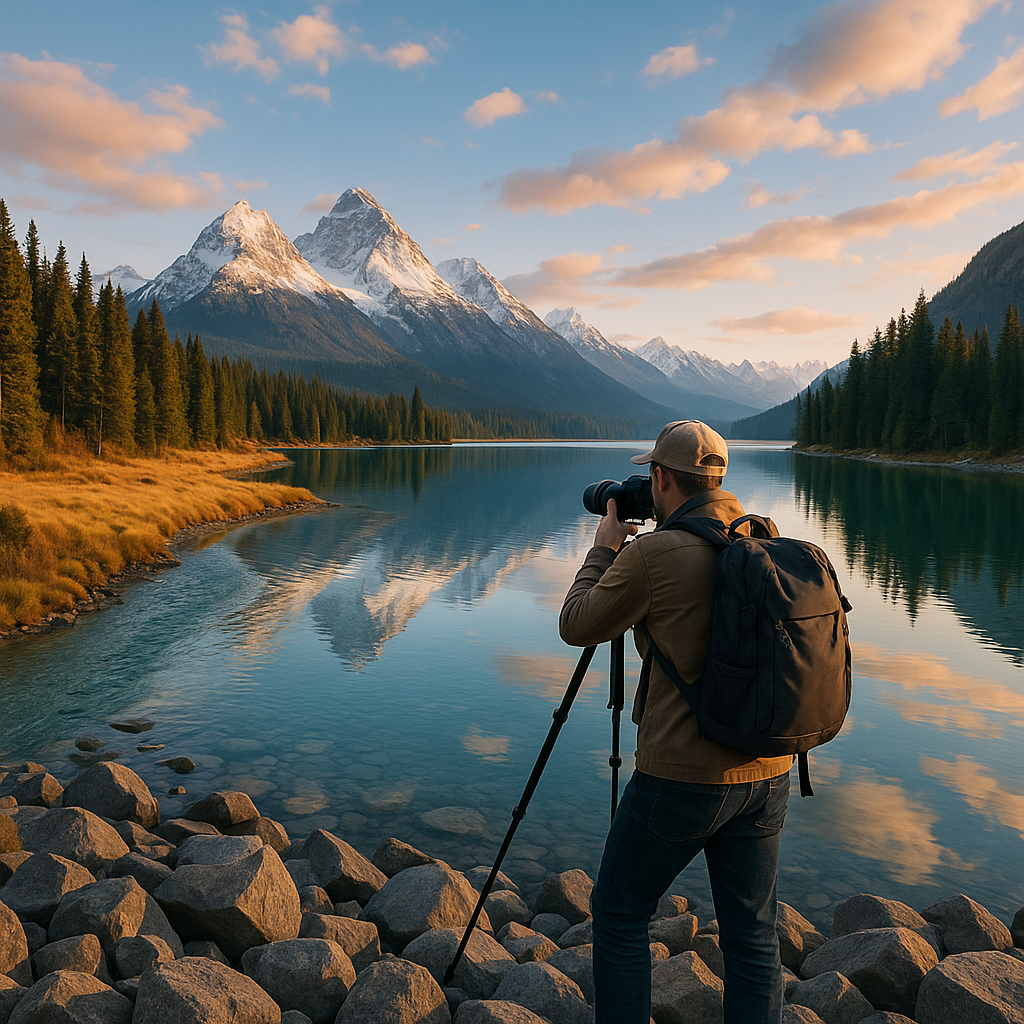

Photography Travel: Exploring Stunning Lakes and Rivers
When it comes to photography travel, few subjects capture the imagination quite like scenic lakes and rivers. These natural wonders offer photographers an endless array of opportunities — from tranquil morning reflections to dynamic flowing water, rich ecosystems, and stunning sunsets. Whether you’re an amateur shutterbug or a seasoned professional, lakes and rivers present a perfect balance of serenity and drama, inviting you to explore and document their timeless beauty.
In this guide, we’ll delve into everything you need to know about capturing the magic of water landscapes, offering tips on locations, techniques, and gear. By the end, you’ll feel inspired to pack your camera bag and hit the road or footpaths in pursuit of breathtaking shots.
Why Choose Lakes and Rivers for Photography Travel?
Photography travel focused on lakes and rivers can be incredibly rewarding. Here’s why these subjects hold a special allure:
Variety of compositions: Lakes often offer still waters that act as natural mirrors, creating stunning symmetrical reflections of skies, trees, or mountains. Rivers, on the other hand, add motion and energy, enabling you to capture dynamic flows or silky smooth water effects.
Changing moods and light: Water bodies respond uniquely to light changes throughout the day. Early mornings might bring misty, ethereal atmospheres; afternoons reveal vibrant colours; golden hours imbue warmth and softness; while evenings can introduce dramatic silhouettes or starry skies.
Environmental storytelling: Lakes and rivers are lifelines for wildlife and local communities. Including surrounding flora, fauna, or even human elements can enrich your photographic narratives, telling stories beyond just pretty pictures.
Accessibility and diversity: Whether nestled in remote mountain ranges or found in bustling urban parks, lakes and rivers exist everywhere. This diversity means you can tailor photography travel to your preferences—rural solitude or cultural immersion.
Top Destinations for Photography Travel: Scenic Lakes and Rivers Around the World
Looking for inspiration to plan your next photography trip? Here are some iconic and lesser-known spots known for their stunning water features:
1. Lake District, England
A favourite for British photographers, the Lake District offers a gorgeous tapestry of lakes surrounded by rugged fells and quaint villages. Windermere, Derwentwater, and Ullswater each have distinct personalities. The soft, often misty light here complements landscape compositions beautifully.
2. Plitvice Lakes National Park, Croatia
Famed for its cascading lakes connected by waterfalls and surrounded by lush forest, Plitvice is a photographer’s paradise. Wooden walking bridges allow visitors to get up close to the turquoise waters and capture the magical interplay of still and flowing water.
3. Moraine Lake, Canada
Nestled in the Canadian Rockies, Moraine Lake boasts brilliantly blue water contrasting starkly with towering peaks. Early morning shots reveal calm surfaces and breathtaking reflections, perfect for wide-angle landscape photography.
4. The Amazon River Basin, South America
For those seeking a unique natural environment, the Amazon River and its tributaries offer extraordinary biodiversity and atmospheric scenes. Photographing indigenous communities, wildlife, and the vast waterways can add an adventurous edge to your portfolio.
5. Loch Ness, Scotland
Beyond the legendary monster tales, Loch Ness features hauntingly beautiful landscapes, with moody waters wrapped in mist and framed by rolling hills. The combination of natural mystery and rugged scenery fuels evocative images.
6. Lake Baikal, Russia
As the deepest and oldest freshwater lake, Lake Baikal’s crystal-clear waters and surrounding taiga forest make it a compelling destination. In winter, the frozen lake surface creates extraordinary photographic opportunities.
Essential Gear for Photographing Lakes and Rivers
Having the right equipment can make a significant difference when capturing scenic waterscapes. Here’s a quick rundown of gear essentials for water-focused photography travel:
Camera body: A DSLR or mirrorless camera with manual controls allows you to experiment with shutter speed and aperture, crucial when working with flowing or reflective water.
Wide-angle lens: Perfect for encompassing sweeping landscapes and expansive water bodies in a single frame.
Telephoto lens: Useful for isolating distant details, wildlife, or compressing scenes.
Tripod: An absolute must-have for stabilising the camera during long exposures that create silky water effects or capture low-light conditions.
Polarising filter: Helps reduce reflections and glare on the water surface, enhances colours and contrast, and can reveal underwater features.
ND (Neutral Density) filters: These darken the scene, permitting slower shutter speeds to smooth out river currents or waterfall flows even in daylight.
Waterproof camera cover or housing: If you’re shooting near splashes or in unpredictable weather, protecting your gear is vital.
Remote shutter release: Avoids camera shake on long exposures.
Techniques to Capture Stunning Water Photography
Understanding how to manipulate camera settings and composition can elevate your images, giving lakes and rivers a captivating presence.
Embrace Long Exposures for Dreamy Water Effects
One of the most popular techniques in water photography is using long exposures. By lowering the shutter speed (usually between 1/4 second and several seconds), the flowing water softens into a smooth, silky texture that contrasts beautifully with sharp, static elements like rocks, logs, or trees.
Tips on using long exposures:
Use an ND filter to avoid overexposure in bright conditions.
Set your camera on a sturdy tripod.
Focus on static elements for clarity, often focusing one-third into the frame according to the hyperfocal distance.
Experiment with shutter speeds to find the perfect balance between flow and detail.
Capture Reflections for Mirror-Like Compositions
Lakes with calm surfaces act as nature’s mirrors, doubling your subject and creating striking symmetrical images. To maximise reflections:
Choose early mornings or late evenings when the wind is less likely to disturb the water.
Compose your shot to balance the reflection and real elements harmoniously.
Use polarising filters judiciously—sometimes reducing reflections can help, other times leaving them enhances the scene.
Include Foreground Elements for Depth
In landscape photography, incorporating an interesting foreground adds dimension and guides viewers into the scene. Rocks, fallen branches, flowers, or even ripples can serve this purpose.
Play with Light and Weather Conditions
Water is highly responsive to atmospheric changes. Fog, rain, or snow can add mood and mystery, while sunshine creates sparkle and vibrant contrasts.
Capture lake or river scenes at different times of the day:
Golden hour: Warm light enhances colours and textures.
Blue hour: Cooler tones and soft light set a tranquil mood.
Night: Star trails above a still lake reflect beautifully; city-lit rivers can produce dynamic urban scenes.
Post-Processing Tips
While good photography starts in-camera, subtle post-processing can refine your images:
Adjust contrast and clarity to enhance water texture.
Correct colour balance to represent natural hues accurately.
Enhance shadows and highlights to add depth.
Use graduated filters to balance sky and land exposure.
Avoid over-editing to keep images natural and inviting.
Planning Your Photography Travel: Practical Advice
Preparation is key when targeting scenic lakes and rivers for photography travel. Here are some practical pointers:
Research and Scout Locations in Advance
Use online resources, maps, and photography forums to identify potential spots. Visiting local visitor centres can also provide invaluable insider tips.
Arrive Early or Stay Late
These times offer the best light and often fewer crowds. Patience can reward you with unique shots.
Check Weather and Tides
Water scenes change dramatically with weather and seasonal water levels. In rivers with tidal influence, plan your visit accordingly.
Pack for Comfort and Safety
Terrain around lakes and rivers may be slippery or rugged. Wear sturdy footwear and carry essentials like water, snacks, and waterproof clothing.
Respect Nature and Local Regulations
Stay on marked paths, avoid disturbing wildlife, and obtain permissions if photographing on private land.
Inspiring Photography Travel Stories from Lakes and Rivers
Photography travel journeys to scenic lakes and rivers often lead to memorable experiences beyond the frame. For instance, an early morning shoot at a mist-covered lake may introduce you to friendly local fishermen sharing stories. Or hiking alongside a mountain river could reveal rare butterfly species to photograph.
One photographer recalls how a sudden rain at a riverside in New Zealand transformed a dull day into a vibrant, rainbow-filled spectacle. Others have noted how autumn colours reflected in forest lakes create an explosion of reds, oranges, and golds that far exceed expectations.
These encounters remind us that photography is more than just images — it’s about immersion, connection, and storytelling.
Final Thoughts: Embark on Your Scenic Water Photography Adventure
Lakes and rivers remain some of the most engaging and versatile subjects in photography travel. Their ability to mirror the mood of the environment and offer ever-changing visual opportunities keeps even the most experienced photographers coming back for more.
By choosing locations thoughtfully, investing time in mastering techniques, and approaching your journeys with both passion and respect, you can create stunning images that connect viewers to the serene power of these natural wonders.
Now is the perfect time to explore scenic lakes and rivers — your next breathtaking photograph awaits just beyond the water’s edge. Grab your camera, tune your senses, and let the water landscapes tell your story.