
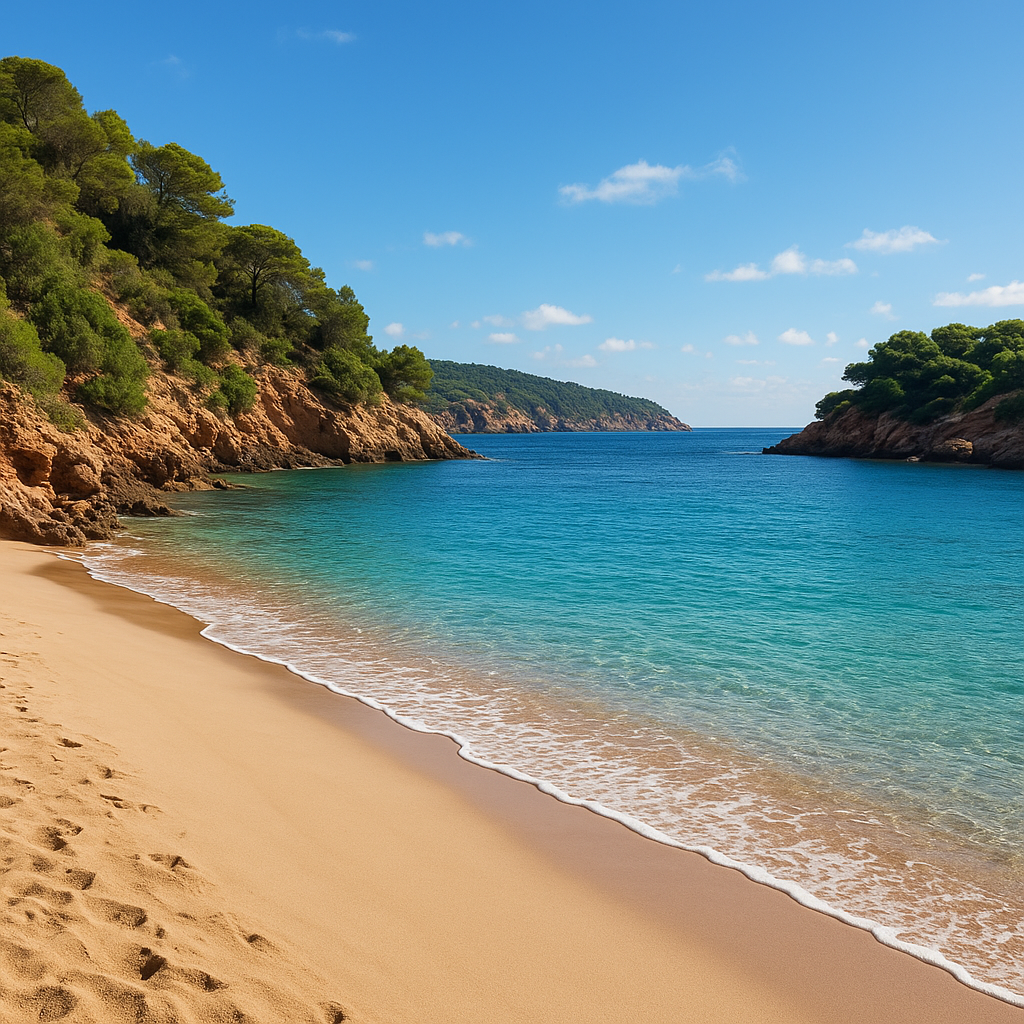

Quiet Beaches and Coastal Retreats for Peaceful Getaways: A Calm, Sea-Soaked Escape
If your idea of a perfect vacation involves hearing waves instead of traffic, watching sunsets instead of screens, and walking barefoot without navigating crowds, you’re in good company. More travelers are actively searching for quiet beach destinations and peaceful coastal stays—not because they dislike travel, but because they want the kind that restores you.
The good news is that you don’t have to rent a private island to find calm. Around the world (and often closer than you think), there are secluded beaches and gentle coastal retreats where the pace slows naturally. These places are ideal for reading, journaling, beachcombing, and simply doing less—an approach many people now call slow travel by the sea.
This guide will help you plan a peaceful coastal getaway with practical tips, thoughtful destination ideas, and suggestions for choosing accommodations that truly feel quiet.
What Makes a Beach “Quiet” (and Not Just “Less Famous”)?
A quiet beach isn’t always the one with the fewest Instagram posts. It’s the one where the environment—and your itinerary—encourages stillness.
Here are a few signs you’ve found a genuinely peaceful spot:
- Limited development: Fewer high-rises and beach clubs often equals less noise and less light pollution.
- Protected status: Marine reserves and national parks tend to limit traffic and regulate activities.
- Access takes effort: A longer drive, a ferry ride, or a short hike naturally filters out day-trippers.
- Small-scale lodging: Inns, guesthouses, cabins, and low-key rentals create a calmer atmosphere than large resorts.
- Nature-led activities: Kayaking, tidepooling, birdwatching, and long walks replace loud entertainment.
Of course, “quiet” can mean different things depending on your travel style. Some people want total seclusion, while others just want a peaceful base with a calm beach nearby.
Why Coastal Retreats Feel So Restorative
There’s something about the coast that gives your mind permission to unwind. It might be the steady rhythm of the waves, the open horizon, or the way salty air seems to soften your breathing.
The gentle psychology of the shoreline
Many people find that a few days near water helps them:
- Sleep better (especially with natural soundscapes)
- Reduce decision fatigue (your options simplify)
- Spend more time outdoors without trying
- Feel present (because the scenery asks for attention)
Slow travel by the sea, in real terms
Slow travel by the sea isn’t about doing nothing—it’s about doing fewer things, more intentionally. You might:
- Stay in one place longer instead of hopping between cities
- Eat at the same café each morning
- Walk the same beach at different tides
- Learn the local rhythm rather than rushing through highlights
It’s a style of travel that leaves you feeling like you actually had a break.
How to Choose Peaceful Coastal Stays Without Guesswork
Photos can be deceiving. A beach can look empty in marketing images and still feel crowded in reality. Here’s how to pick peaceful coastal stays that match what you’re really looking for.
Look for these clues when booking
- Read reviews for sound cues: Guests will mention road noise, thin walls, nightlife, or early-morning deliveries.
- Check the map carefully: Being “beachfront” on a busy road is not the same as being beachfront on a quiet cove.
- Prioritize fewer rooms: Smaller properties often mean fewer people, fewer cars, and fewer interruptions.
- Ask about quiet hours: Especially if you’re staying in a villa community or boutique hotel.
- Avoid event-heavy properties: Wedding venues and party-friendly resorts can be beautiful—and loud.
Consider traveling in the shoulder season
If your schedule allows, shoulder seasons are the fastest route to quiet beach destinations. You’ll usually get:
- Better rates
- Cooler (or at least gentler) weather
- More availability in smaller lodgings
- A calmer, more local feel
Quiet Beach Destinations Worth Considering (By Travel Style)
Rather than listing “top 10” places that everyone rushes to, it helps to think in categories. What kind of quiet do you want: remote and wild, cozy and charming, or warm and tropical?
Below are ideas to spark your planning—use them as starting points, then look for specific bays, coves, and villages nearby that fit your pace.
For remote, nature-forward secluded beaches
These are the places where nature is the main attraction and convenience comes second. If you love long walks, wildlife, dramatic cliffs, and the feeling of being “away,” start here.
Consider:
- National seashores and protected coastlines where development is limited
- Islands with low car traffic or small populations
- Coastal hiking regions where beaches are reached by trail
What to expect:
- Fewer amenities directly on the sand
- A need to pack water, snacks, sunscreen, and layers
- Bigger rewards in terms of solitude and scenery
Tip: If you want seclusion without extreme remoteness, look for beaches that are a 10–30 minute walk from the nearest parking area. That small barrier makes a huge difference.
For peaceful coastal stays with charm and comfort
Not everyone wants wilderness. Many travelers want a comfortable base—great coffee, good bedding, walkable streets—paired with quiet water nearby.
Look for:
- Small seaside towns with local restaurants instead of large chains
- Harbors, bays, and sheltered inlets (often calmer than open ocean beaches)
- Low-rise coastal villages with strict building limits
Accommodation styles that tend to feel calm:
- Inn-style boutique hotels
- Cottage rentals
- Small apartment stays with a balcony facing the water
- Eco-lodges that emphasize quiet and nature
This is a great option if you want slow mornings and sunset walks, but also like knowing you can get dinner without driving an hour.
For warm-weather coastal retreats without the crowds
Tropical doesn’t automatically mean busy. Plenty of warm destinations have quiet corners—it just takes a more intentional search.
Ways to find calmer tropical coastlines:
- Choose less famous islands near popular ones
- Stay on the windward or quieter side of an island
- Pick small beach communities rather than resort clusters
- Travel outside peak holiday periods
What to watch for:
- Beaches that double as party zones on weekends
- Cruise ship schedules (even a quiet town can get loud on port days)
- Resorts with daytime entertainment systems that carry sound
When it’s done right, warm-weather coastal retreats can feel like a reset button: swim, nap, read, repeat.
What to Do on a Quiet Beach Getaway (Without Filling Every Hour)
One of the biggest challenges of a peaceful trip is allowing it to be peaceful. Many of us are conditioned to “maximize” travel. A calm coastal retreat works best when you plan less and leave room for the day to unfold.
Here are ideas that suit secluded beaches and quieter coastlines:
Easy rituals that make the trip feel special
- Morning coffee or tea outside, even if it’s windy
- A daily walk at a consistent time (sunrise or golden hour is perfect)
- A simple picnic with local fruit, bread, and something cold to drink
- A “one photo” rule—take a picture, then put your phone away
Low-impact activities that match the setting
- Tidepooling (always observe gently and follow local guidelines)
- Kayaking in sheltered bays
- Birdwatching with a simple guidebook or app
- Reading and journaling
- Sketching the coastline (no talent required)
- Collecting sea glass where it’s permitted
Slow travel by the sea—one perfect day plan
If you want a template that feels structured but not crowded:
- Morning: Walk the beach and grab breakfast locally
- Late morning: Swim or sit with a book
- Afternoon: Light exploring—one nearby village, one viewpoint, or one short trail
- Evening: Simple dinner, sunset watch, early night
It’s surprisingly satisfying, especially if you stay long enough to stop checking the clock.
How to Find Secluded Beaches Near Popular Areas
You don’t always need to abandon famous regions entirely. Often, the best quiet beach destinations are tucked just outside the hotspots.
Use the “two turns off the main road” rule
In many coastal regions, the busy beach is the one closest to:
- the main highway
- the biggest parking lot
- the loudest strip of restaurants
Try searching for beaches that require:
- a smaller side road
- a short walk through dunes or forest
- limited parking
Those small inconveniences are often the reason a beach stays peaceful.
Check wind and wave exposure
Surfers and swimmers chase different conditions. If you want quiet:
- Look for protected coves with gentler waves
- Consider beaches that are windier (many people avoid them)
- Explore rockier stretches where sunbathing is less common
Always confirm safety conditions locally—quiet should never come at the expense of being unprepared.
Go early, or go late
Even a semi-popular beach can feel like your own if you time it right.
- Early morning: calm, cool, empty
- Late afternoon: day-trippers leave, locals return quietly
- Midday: typically busiest, especially in summer
If your lodging allows flexible schedules, this is one of the simplest ways to create a quiet experience.
Booking the Right Coastal Retreat: What to Prioritize
When people picture a coastal getaway, they often focus on the view. But the “feel” of a place matters just as much—sometimes more.
Soundproofing and layout
If quiet is the goal, prioritize:
- Ground-floor units only if foot traffic is minimal
- Detached cabins or cottages
- Corner rooms (fewer shared walls)
- Properties set back from main roads
A stunning balcony doesn’t help much if you’re listening to scooters until midnight.
Kitchen access can make the trip calmer
A small kitchen or kitchenette can be a secret weapon for peaceful travel:
- No scrambling for breakfast
- Easy picnic prep
- Fewer “where should we eat?” decisions
- More time in your own rhythm
Even if you eat out for dinner, having a simple breakfast at home can set a slower tone.
Look for nature-friendly policies
Some of the best peaceful coastal stays are run by people who protect the quiet on purpose. Look for:
- No loud music policies
- Dark-sky lighting or minimal outdoor lighting
- Wildlife-respect guidelines
- Plastic reduction and water conservation measures
These details often correlate with a calmer atmosphere overall.
What to Pack for Quiet Beach Destinations (So You Can Actually Relax)
A peaceful trip is easier when you’re not constantly improvising. You don’t need much, but a few items can make a big difference—especially on secluded beaches where shops aren’t nearby.
A simple, calming packing list
- A light windbreaker (coasts are unpredictable)
- Reef-safe sunscreen (where applicable)
- A refillable water bottle
- Snacks that travel well (nuts, fruit, crackers)
- A book you’ve been meaning to read
- A thin towel or Turkish towel (packs small, dries fast)
- Comfortable walking sandals or water shoes (for rocky coves)
- A small dry bag if you’ll kayak or boat
The “quiet comfort” add-ons
Not essential, but great for turning a stay into a retreat:
- Earplugs (just in case—sometimes nature is loud, too)
- A sleep mask (early sunrises are real on the coast)
- A journal
- A compact speaker for low-volume background sound—only if it won’t disturb others
The goal is to create ease, not a complicated checklist. Pack for comfort, then let the ocean do the rest.
A Few Common Mistakes That Can Undercut a Peaceful Coastal Getaway
Even the most beautiful coastal retreats can feel stressful if a few planning details go sideways. Here’s what to avoid.
Overplanning every day
A quiet beach trip works best with open space in your schedule. If you want to explore, pick one “anchor” plan per day (a hike, a market, a boat trip) and keep the rest flexible.
Choosing a beach town known for nightlife
Some places are famous for energy. That can be fun—just not restful. If you’re craving calm, read up on the destination’s vibe, not just the scenery.
Booking too close to a major beach access point
If you’re staying beachfront, check where the public access paths and parking lots are. Being 10 minutes down the shore can mean the difference between quiet waves and constant foot traffic.
Ignoring the local weekend pattern
A beach that’s empty on Tuesday might be packed on Saturday. If you’re staying over a weekend, ask your host which beaches remain calm and what times are busiest.
How to Make the Calm Last After You Get Home
A peaceful trip shouldn’t evaporate the moment you unpack. If you’re drawn to slow travel by the sea, you can bring pieces of it into normal life.
Try:
- keeping one small daily ritual from the trip (morning walk, tech-free hour)
- printing a favorite photo and placing it somewhere visible
- cooking one simple meal you ate near the coast
- planning your next getaway with more days in one place, not more stops
The real success of a quiet coastal escape isn’t how much you did. It’s how you felt—and how long that feeling stays with you.
Final Thoughts: Finding Your Kind of Quiet by the Water
The best quiet beach destinations aren’t always the farthest away or the hardest to reach. They’re the ones that match your idea of peace—whether that’s a wild stretch of sand with no buildings in sight, or a small village where you can hear seabirds from your window.
Choose peaceful coastal stays that protect your rest, seek out secluded beaches that reward a little extra effort, and let yourself lean into coastal retreats that prioritize nature over noise. Most importantly, give yourself permission to travel more slowly.
Because when you embrace slow travel by the sea, you don’t just visit the coast—you return from it feeling like yourself again.