
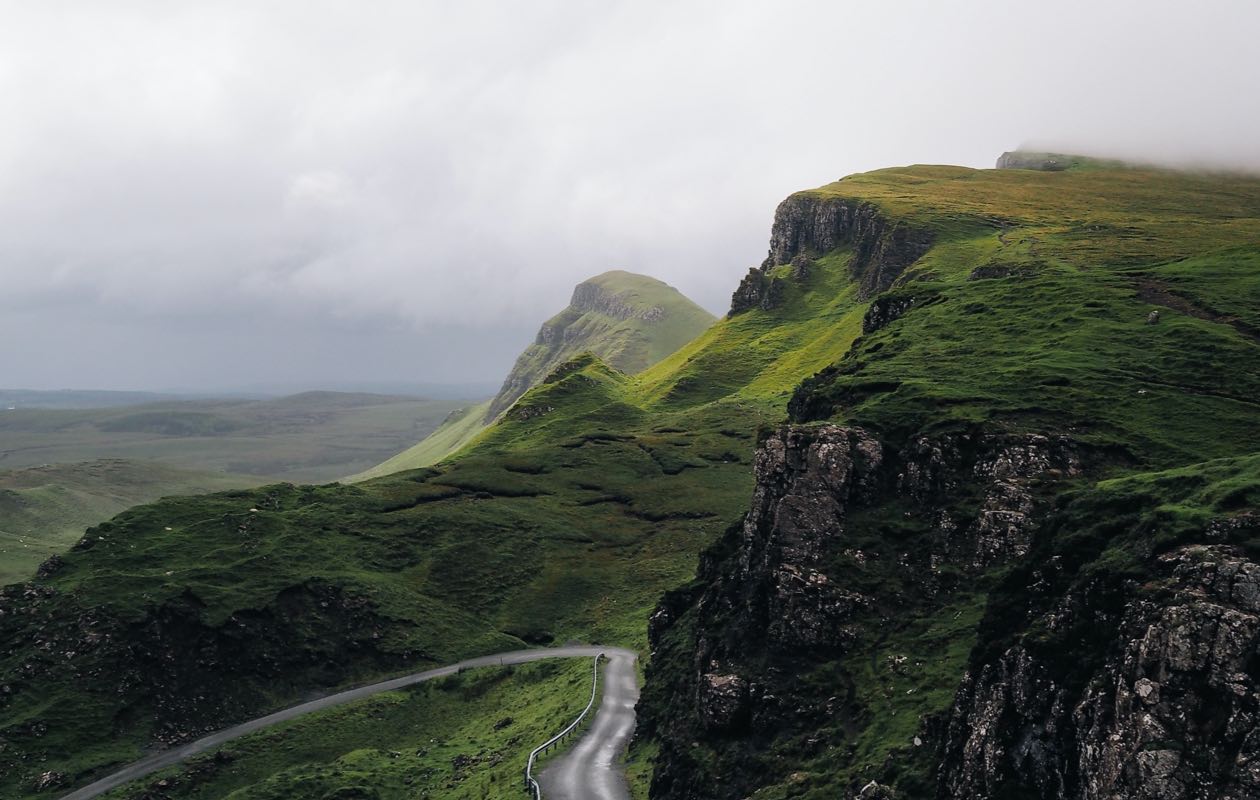

Scenic walking is one of the simplest and most rewarding ways to experience a place. It requires no specialist equipment, suits a wide range of abilities, and allows travellers to absorb landscapes slowly and naturally. Across the world, some of the finest walking experiences are found not in high mountains or flat plains, but in hilly regions where paths rise gently, views unfold gradually, and villages provide welcoming places to pause.
Hills offer variety without intimidation. They combine elevation with accessibility, scenery with comfort, and activity with relaxation. This is why so many walkers choose hilly regions as their preferred travel base, returning year after year to landscapes that feel both familiar and endlessly interesting.
This guide explores some of the world’s best hill destinations for scenic walking and explains what makes them so appealing as places to stay and explore on foot.
What Makes a Hill Destination Ideal for Scenic Walking?
Not all hills are equal when it comes to walking. The most memorable destinations share a few important qualities.
Strong hill walking regions tend to offer:
• A dense network of established paths
• Varied terrain within short distances
• Regular viewpoints and natural landmarks
• Access to villages, towns, or countryside accommodation
Crucially, scenic hill destinations allow walkers to enjoy the landscape without constant strain. Routes feel purposeful but forgiving, making them suitable for relaxed day walks as well as longer itineraries.
Why Scenic Hill Walking Appeals Worldwide
Scenic walking is universal. Regardless of culture or climate, people are drawn to landscapes that invite exploration at a human pace. Hills naturally encourage this.
Unlike urban walking, hill walking:
• Reduces sensory overload
• Encourages attention to nature
• Creates space for reflection
Unlike mountain trekking, it:
• Remains accessible to most travellers
• Does not require technical skills
• Fits easily around comfortable accommodation
This combination explains why hilly regions across continents continue to attract walkers seeking meaningful travel experiences.
Europe’s Classic Hill Walking Regions
Europe is particularly rich in historic hill landscapes shaped by centuries of foot travel. Many modern walking routes follow ancient paths once used for trade, farming, or pilgrimage.
The Lake District, England
The Lake District is one of the world’s most celebrated hill walking destinations. Its rolling fells, lakes, and valleys offer a remarkable range of routes, from gentle shoreline paths to higher ridge walks with expansive views.
Why it works for scenic walking:
• Dense network of public footpaths
• Well-served walking towns and villages
• Views that change dramatically with weather and light
Accommodation in the Lake District often sits directly on walking routes, allowing walkers to begin and end their day without driving.
Tuscany
Tuscany’s hills combine scenery with culture in a way few regions can match. Walking routes pass through vineyards, olive groves, woodland, and medieval hill towns, offering constant visual interest.
Why Tuscany stands out:
• Gentle gradients suitable for relaxed walking
• Frequent villages for rest and refreshment
• Strong connection between landscape and local life
Staying in a hill town or rural farmhouse allows walkers to experience both the walking and the rhythm of everyday Tuscan life.
Umbria
Often described as Tuscany’s quieter neighbour, Umbria offers equally beautiful hill walking with fewer crowds. Forested slopes, open valleys, and historic towns create a varied walking environment.
Highlights include:
• Peaceful routes through unspoilt countryside
• Strong sense of tranquillity
• Excellent bases in small hill towns
Umbria is ideal for walkers who value calm and authenticity over popularity.
Douro Valley
The Douro Valley’s terraced hillsides create one of Europe’s most distinctive walking landscapes. Paths wind between vineyards, villages, and river viewpoints.
Why walkers love the Douro:
• Dramatic scenery without technical difficulty
• Routes that reward steady climbing
• Strong sense of place shaped by wine and river culture
Staying in hillside villages offers walkers panoramic views and easy access to scenic trails.
The British Isles: Hills Made for Walking
Walking has deep roots in the British Isles, where public access and waymarked paths are widespread.
Scottish Highlands
While often associated with mountains, the Scottish Highlands also include extensive rolling hills and moorlands ideal for scenic walking.
Key attractions:
• Vast open landscapes
• Quiet, uncrowded routes
• Strong sense of wilderness
Lower hill areas provide dramatic scenery without the commitment of high mountain routes, making them suitable for longer stays.
Cotswolds
The Cotswolds offer classic English hill walking through villages, farmland, and open countryside.
Why the Cotswolds work well:
• Gentle terrain
• Well-marked footpaths
• Frequent village stops
Accommodation is plentiful and often located directly on walking routes, making the region ideal for relaxed, multi-day walking holidays.
Scenic Hill Walking Beyond Europe
Hill walking destinations are found worldwide, each shaped by local geography and culture.
Atlas Mountains foothills
The lower slopes of the Atlas Mountains provide accessible walking routes through Berber villages, valleys, and terraced fields.
Why they appeal:
• Cultural immersion alongside scenery
• Varied terrain without extreme altitude
• Strong contrast between villages and open hills
Staying in small settlements allows walkers to explore at a gentle pace.
Blue Mountains
The Blue Mountains combine sandstone cliffs, forested hills, and extensive walking tracks.
Highlights include:
• Well-maintained trails
• Dramatic viewpoints
• Proximity to urban centres
This makes them an excellent choice for walkers who want wilderness without remoteness.
Nagano countryside
Nagano’s hilly countryside offers scenic walking through forests, rural villages, and historic routes.
Why it stands out:
• Seasonal beauty, especially autumn
• Quiet rural paths
• Strong cultural context
Accommodation often reflects traditional styles, enhancing the walking experience.
Why Hill Towns Make Ideal Walking Bases
Across the world, hill towns have evolved as natural walking hubs. Their elevated positions offer views and protection, while surrounding paths link them to farmland and neighbouring settlements.
Hill towns typically provide:
• Central access to multiple routes
• Local services and food
• A walkable layout
This makes them particularly attractive for walkers who want variety without changing accommodation.
Scenic Walking and the Role of Accommodation
The success of a scenic walking holiday depends heavily on where you stay. In the best hill destinations, accommodation is not an afterthought but part of the walking ecosystem.
Well-located stays offer:
• Immediate access to paths
• Knowledge of local routes
• A comfortable place to recover
Choosing accommodation that aligns with walking plans reduces friction and increases enjoyment.
Seasonal Changes and Scenic Impact
Hilly landscapes change dramatically with the seasons, which adds to their appeal for repeat visits.
Spring brings:
• Wildflowers
• Fresh greens
• Mild walking conditions
Summer offers:
• Longer days
• Clear views
• Cooler temperatures at elevation
Autumn delivers:
• Rich colours
• Clear air
• A slower pace
Winter, in gentler hill regions, provides:
• Quiet paths
• Dramatic light
• A sense of solitude
Staying in the same region across different seasons can feel like visiting entirely different places.
Choosing the Right Hill Destination for You
When selecting a hill destination for scenic walking, consider:
• Your preferred walking distances
• The type of scenery you enjoy
• Access to accommodation and services
• Seasonal conditions
Some travellers prefer vineyard landscapes and villages, while others seek open moorland or forested hills. The diversity of hill destinations worldwide ensures there is a perfect match for every walking style.
Why Hills Continue to Inspire Walkers
Hills occupy a unique place in the world’s landscapes. They are elevated but approachable, scenic but liveable, and active without being extreme.
For walkers, hills offer:
• Constant visual rewards
• A sense of progression
• Space for reflection
For travellers, they provide places where walking, staying, and local life blend naturally.
Final Thoughts
The world’s best hill destinations for scenic walking share a common thread: they invite exploration without pressure. They reward curiosity rather than endurance and encourage travellers to slow down and connect with their surroundings.
Whether you are walking through vineyard-covered slopes, forested hills, or open moorland, these landscapes offer experiences that linger long after the journey ends. Choosing the right hill destination, and the right place to stay within it, turns scenic walking into a deeply satisfying way to travel.
Hills remind us that the most memorable journeys are often taken one step at a time.