

Islands Known for Food and Local Cuisine: A Culinary Journey
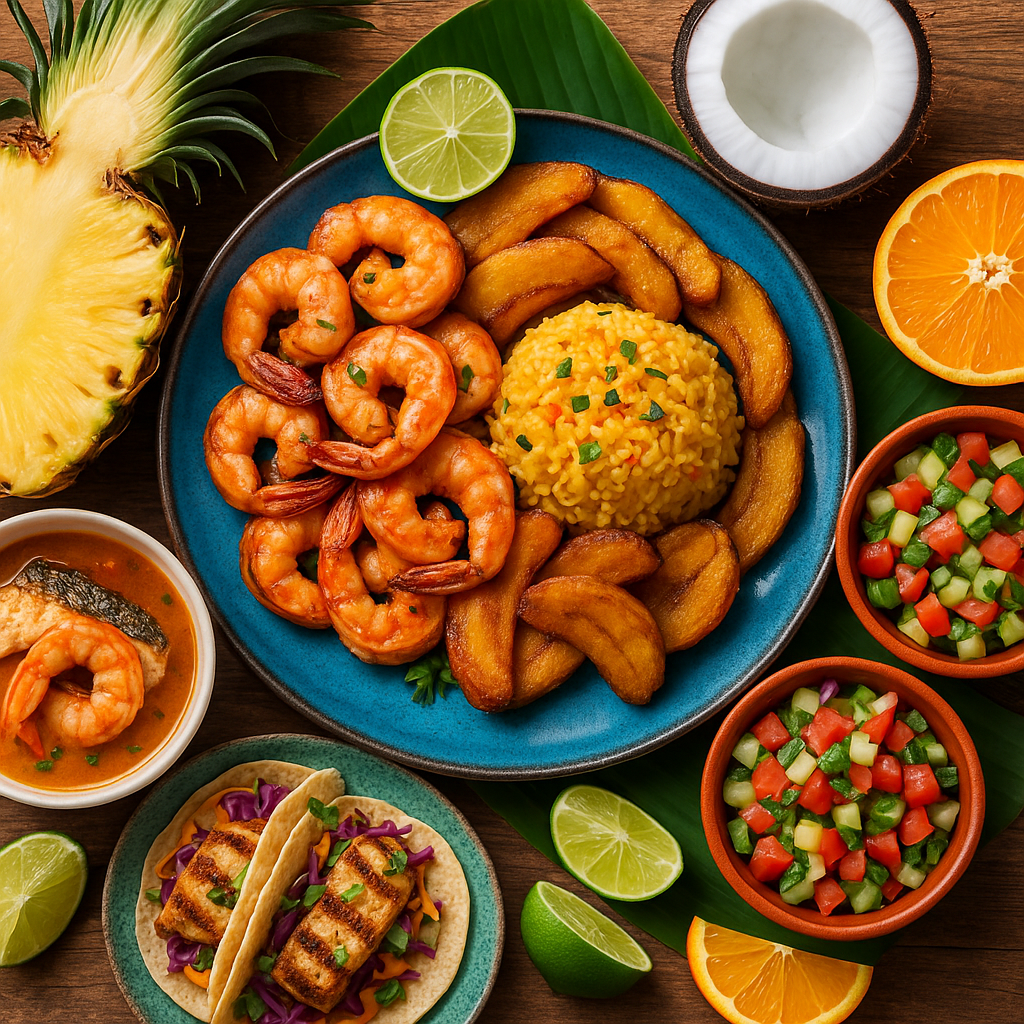
When it comes to travel, exploring local gastronomy often ranks right at the top of the list. There’s something uniquely enjoyable about indulging in island food that tells a story about the place, its history, and its people. Islands, in particular, offer some of the most diverse and flavourful culinary experiences. This is largely because island cuisine blends fresh, locally sourced ingredients with deep-rooted traditions, often influenced by many different cultures.
In this article, we’ll take you on a mouth-watering tour of some of the world’s most enticing islands known for their remarkable local dishes. Whether you’re a foodie looking for your next travel adventure or simply curious about island culinary traditions, these destinations promise an unforgettable experience.
Why Island Cuisine Is So Special
Island food tends to be incredibly distinctive for several reasons. The isolation of islands often encourages the preservation of traditional recipes and cooking methods that have been passed down for generations. Being surrounded by the sea ensures that seafood plays a starring role in most local island dishes. Additionally, fertile volcanic soils or tropical climates often yield unique produce you won’t find anywhere else.
Island cuisine frequently combines ingredients like fresh fish, exotic fruits, spices, and sometimes even wild herbs or native grains. It’s this harmony between land, sea, and culture that makes every bite a story with echoes of centuries of culinary tradition.
Exploring Tropical Flavours: Caribbean Islands
The Caribbean islands have long been famous for their vibrant, bold tastes and social dining culture. Each island boasts its own twist on island cuisine, often reflecting the mix of African, European, and Indigenous influences present in the region.
Jamaica: Jerk, Festivals and Fresh Seafood
Jamaica’s food is synonymous with bold spices and rich, smoky flavours. The island’s most famous dish is undoubtedly jerk chicken or pork, marinated in a fiery blend of Scotch bonnet peppers, allspice, thyme, and other spices, then grilled or smoked to perfection.
Beyond jerk, you can enjoy local delights like ackee and saltfish, Jamaica’s national dish. Ackee is a fruit cooked to a creamy texture and sautéed with salted cod, onions, peppers and spices. The island’s coastal location means fresh seafood like conch and lobster also grace tables here.
Trinidad and Tobago: Doubles and Curry Sensations
Known for its lively street food scene, Trinidad and Tobago excel in using bold spices and Indian-inspired flavours. Doubles is a crowd favourite—two soft flatbreads sandwiching curried chickpeas, topped with chutneys and pepper sauce.
Other local specialties include curried crab and dumplings and callaloo, a thick, savoury soup made from leafy greens and coconut milk. The fusion of African, Indian and Creole cuisines here makes it one of the most exciting island food experiences in the Caribbean.
Mediterranean Marvels: Islands of Greece and Italy
Mediterranean islands deliver some of the world’s most celebrated leisurely dining experiences. Their influence on global cuisine is immense, and coastal Mediterranean island dishes are refreshingly simple, focusing on quality ingredients.
Santorini, Greece: Tomatoes, Fava, and Fresh Sea Urchin
Santorini’s volcanic soil offers ideal conditions for growing sun-ripened cherry tomatoes and split peas used to make fava, a silky puree beloved by locals. Fresh seafood like octopus or sea urchin, often grilled or simply prepared with lemon and herbs, reflects the Aegean Sea’s bounty.
Don’t miss trying local white cheeses such as kopanisti or mizithra, which add a tangy richness to many dishes. The island’s wine, made from its indigenous Assyrtiko grape, complements meals beautifully.
Sicily, Italy: Arancini and Sicilian Caponata
Sicilian island food showcases a delightful blend of Arab, Norman, and Mediterranean influences. Arancini—crispy fried rice balls stuffed with meat, cheese, or peas—are popular snacks, perfect for exploring the island.
Another must-try is caponata, a sweet and sour aubergine stew with tomatoes, olives, capers and vinegar. Sicily’s coastal location means you’ll also find some of Italy’s finest seafood pasta dishes, often enhanced with fresh lemon zest and delicate herbs.
Asia’s Island Treasures: From Bali to Okinawa
Across Asia, islands boast rich culinary traditions that are integral parts of their culture. Their local island dishes often highlight the freshness of ingredients and bold uses of spices and condiments.
Bali, Indonesia: Babi Guling and Lawar
Balinese cuisine is a fragrant adventure of spices and fresh ingredients. Babi guling, or roasted suckling pig, is one of the island’s signature dishes. It’s marinated with turmeric, garlic, coriander, and other spices, then slow-roasted over an open fire, yielding tender, flavourful meat.
Accompanying the pork is often lawar, a vibrant mix of spiced vegetables, coconut, and minced meat or fish. Bali’s coastal villages also offer fresh grilled fish and satay skewers, making this island a paradise for food lovers.
Okinawa, Japan: Longevity Foods and Unique Flavours
The Japanese island of Okinawa is famed for the longevity of its inhabitants, and part of that secret lies in its island cuisine. Staples include sweet potatoes, bitter melon (goya), tofu, and various sea vegetables.
Goya champuru, a stir-fry with bitter melon, tofu, pork and eggs, is a local favourite, appreciated for both its taste and health benefits. The diet here is light and wholesome, offering a unique contrast to mainland Japan’s richer sushi and ramen dishes.
The Flavours of the Pacific: Hawaiian Islands and Fiji
Pacific islands are well known for their abundant tropical ingredients and Polynesian culinary traditions shaped by both land and sea.
Hawaii: Poke, Kalua Pig, and Fresh Tropical Fruit
Hawaiian cuisine reflects local ingredients and multicultural influences from Japan, the Philippines, and beyond. Poke, a raw fish salad with soy sauce, sesame oil, and seaweed, is one of the island’s most popular dishes.
Kalua pig, slow-cooked in an underground oven called an imu, has a smoky, tender texture that defines traditional luau celebrations. Accompanying these robust tastes, the tropical climate provides an endless variety of fruits like pineapple, mango, and coconut to enjoy fresh or in desserts.
Fiji: Kokoda and Cassava
Fiji’s unique island food is heavily influenced by its Melanesian roots. Kokoda, a marinated fish salad similar to ceviche, combines fresh raw fish with lemon juice, coconut cream, and diced vegetables.
Root vegetables such as cassava and taro are filling and vital staples. These are often served alongside fish grilled over open flames or cooked in the traditional lovo, an earth oven method that imparts irresistible smoky flavours.
Tips for Experiencing the Best Local Island Dishes
Whether you’re travelling to the Caribbean, Mediterranean, Asia, or the Pacific, here are some handy tips for savouring authentic island cuisine:
1. Eat Like a Local
The best meals are often found off the beaten path. Visit food stalls, markets and small family-run restaurants where local cooks prepare recipes passed down through generations.
2. Embrace Fresh Seafood
Islands are the perfect place to try fresh fish and shellfish. Don’t hesitate to ask locals for recommendations on seasonal catches.
3. Try Traditional Cooking Methods
Many island dishes are cooked using native techniques like smoking, earth ovens, or fermentation. Sampling these unique preparations deepens your appreciation of the cuisine.
4. Pair Food with Local Drinks
Complement your meals with indigenous beverages. Whether it’s a glass of Santorini wine, a rum cocktail in the Caribbean, or a refreshing coconut drink in the Pacific, these drinks complete the culinary experience.
5. Learn the Stories Behind the Food
Food on islands is more than just fuel—it’s a reflection of history, culture, and community. Take time to ask about the origin of dishes or ingredients, helping you connect with the destination on a deeper level.
Conclusion: A World of Flavours Awaits
Exploring island food and local island dishes is a fantastic way to experience the heart and soul of island life. From fiery jerk chicken in Jamaica to fresh poke in Hawaii, every island’s cuisine offers something uniquely memorable. This journey through tropical, Mediterranean, Asian, and Pacific islands is just a glimpse into the incredible diversity of flavours waiting to be discovered.
Next time you plan a holiday, consider seeking out islands that are celebrated for their food culture. Satisfy your wanderlust and your taste buds simultaneously by immersing yourself in meals that capture the essence of place, people, and history. Bon appétit and happy travelling!
Keywords included: island food, island cuisine, local island dishes