
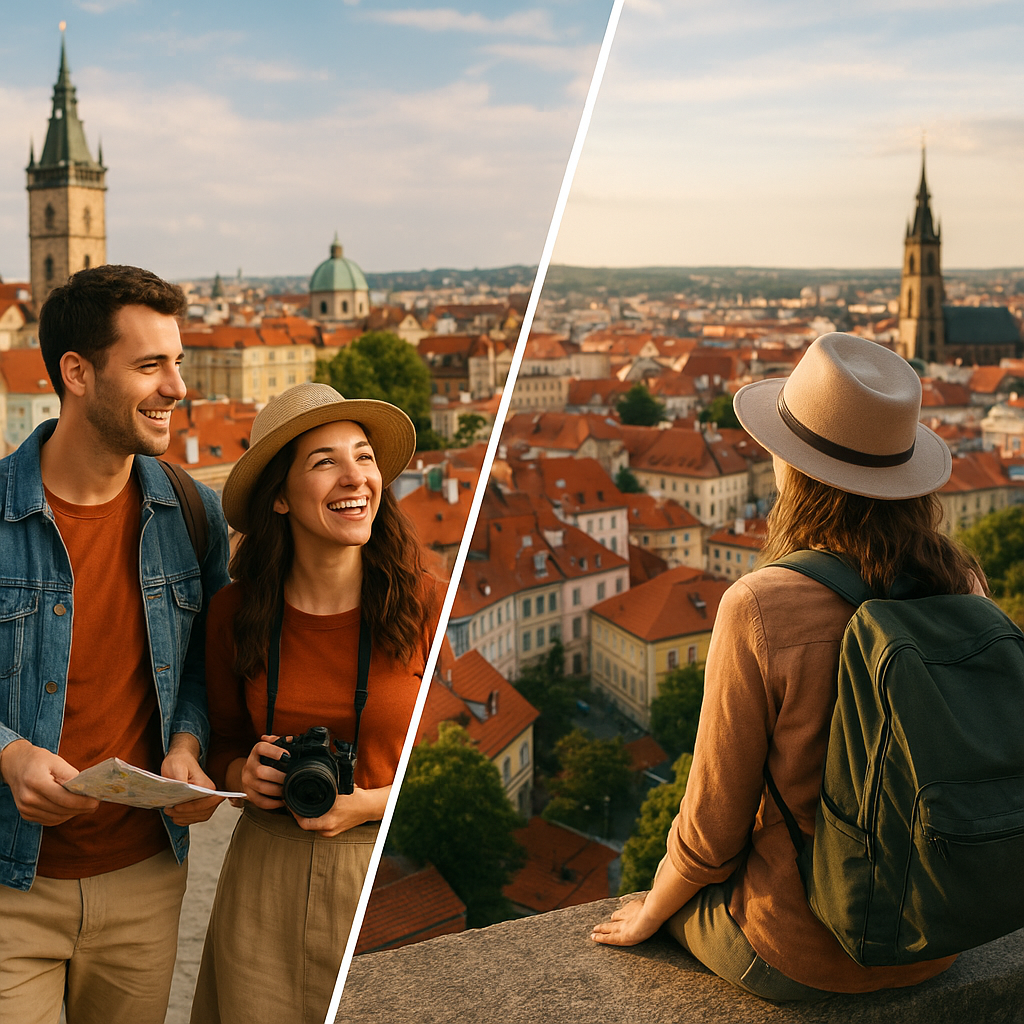

Cultural cities: choosing between weekend city breaks and longer stays

If you’re torn between weekend city breaks and a more immersive approach like long stay city travel, you’re not alone. Cultural cities tempt us in two very different ways: the quick hit of museums, cafés, and famous landmarks in 48 hours, or the slower rhythm of neighbourhood markets, local friendships, and unhurried discovery. In recent years, interest in slow city travel and extended city stays has surged—partly because more people can work remotely, and partly because travellers are craving depth over checklist sightseeing.
The truth is, neither style is “better”. The best choice depends on your time, budget, energy, and what you want to feel when you come home. This guide will help you decide—practically and emotionally—while offering smart city accommodation planning tips, cultural itineraries, and examples of destinations that suit each approach.
The real difference: sampling a city vs living in it
A short break is like tasting a few signature dishes. A longer stay is like learning to cook them with locals.
With weekend city breaks, your time is precious and your schedule tends to be tightly packed. You might chase major galleries, iconic viewpoints, and highly rated restaurants. It’s efficient and exciting, but it can also feel like constant motion.
With long stay city travel, the emphasis shifts. Instead of squeezing in “everything”, you choose a few experiences and go deeper. You have time for small museums, quiet streets at dawn, spontaneous conversations, and day trips that aren’t stressful.
What each style gives you emotionally
- Weekend breaks often deliver a buzz: novelty, fast rewards, great photos, and the satisfaction of ticking off must-sees.
- Extended stays offer grounding: familiarity, confidence with public transport, favourite cafés, and a sense of belonging.
Neither mood is wrong. Think about what you need right now: a recharge that feels like an adventure, or a cultural reset that feels like a gentle shift in pace.
When weekend city breaks make the most sense
A weekend is perfect when you want intensity, convenience, and a clear start-and-finish travel story.
You’re short on annual leave (but still want culture)
If you’re balancing work, family, or other commitments, two or three nights can still deliver a meaningful cultural experience—especially in walkable cities with strong public transport.
You enjoy “highlights” travel
Some cities are remarkably generous to short visits. A well-planned weekend can include a major museum, a historic centre wander, a signature food experience, and one memorable evening performance.
You’re testing a city before committing
A short break can be a “taster”. If you fall in love, you return for a longer stay with better priorities.
You travel well with structure
If you like having a plan, weekend trips suit you. There’s less decision fatigue because the itinerary is naturally focused.
When long stay city travel is the better choice
Longer stays shine when your goal is immersion, creativity, and calm.
You want to travel more sustainably (and more peacefully)
Slow city travel reduces the constant churn of packing, airports, transfers, and one-night hotels. Staying put longer can feel lighter on both the environment and your nervous system.
You’re drawn to neighbourhoods, not just landmarks
If you love browsing bookshops, sitting in parks, finding small galleries, and repeating places until they feel familiar, you’ll thrive with extended city stays.
You work remotely or have flexible time
A city becomes a “base” rather than a project. You can work in the mornings and explore in the afternoons, or schedule museum days between quieter routines.
You want deeper cultural learning
Language snippets, etiquette, local history, and everyday life are easier to absorb when you’re not racing the clock.
Cultural depth: what you can realistically do in each timeframe
It’s not just about how many attractions you can fit in. It’s about the quality of attention you can give them.
A weekend: curated culture
In a short break, you can do:
- One major museum or gallery (properly, without rushing)
- One historic area walk with time to stop for coffee
- One “anchor” experience: a concert, theatre, football match, or food tour
- One viewpoint or signature landmark
Trying to do three museums a day is where weekends become exhausting. A more curated approach makes the trip feel richer.
A longer stay: layered culture
With long stay city travel, you can:
- Return to a museum a second time (often the best visit)
- Explore multiple neighbourhoods on different days
- Attend events that happen weekly, not daily (markets, gigs, local meet-ups)
- Take day trips without the stress of early alarms every morning
- Build cultural context through repetition: the same bakery, the same bus route, the same evening stroll
This is where cities start to feel like stories rather than lists.
Money matters: which is better value?
Cost can go either way. Weekend trips can be economical—or surprisingly pricey.
Weekend trips: higher daily spend, lower total cost
Your total spend may be lower because the trip is short. But daily costs can be higher because:
- You might book late and pay more for central hotels
- You’re more likely to eat out for every meal
- You may prioritise attractions with entry fees to “make the most of it”
Longer stays: better rates, more control
With extended city stays, you can often reduce the average daily cost:
- Weekly or monthly accommodation discounts
- Self-catering or mixed dining (some meals in, some out)
- Slower, smarter spending: choosing a few paid attractions and enjoying many free ones (parks, architecture walks, local exhibitions)
The key is strong city accommodation planning. The right base can save money and prevent daily friction.
City accommodation planning: how the choice changes by trip length
Where you stay matters on any trip, but it matters differently depending on the timeframe.
For weekend city breaks: prioritise location and simplicity
On a short trip, convenience is worth paying for. Look for:
- Walking distance to your top sights
- Easy airport/train links
- Flexible check-in or luggage storage
- A quiet room (sleep is your secret weapon)
You’ll spend less time “living” in the space, so you don’t need a full kitchen. What you do need is a smooth routine.
For extended city stays: prioritise liveability
When you’re staying longer, the accommodation becomes part of the experience. Consider:
- A kitchen and laundry access
- Natural light and a comfortable seating area
- A neighbourhood with everyday amenities (supermarket, pharmacy, cafés)
- Reliable Wi‑Fi if you work remotely
- Noise levels, especially if you’ll be there on weeknights
It can be worth staying slightly further out if it gives you calm streets and a more local feel—provided transport is straightforward.
A simple rule of thumb
- 2–4 nights: pay for proximity.
- 5+ nights: pay for comfort and routine.
The itinerary question: structure vs spontaneity
Your travel style matters as much as your schedule.
Weekend breaks thrive on “anchors”
Choose one or two anchors each day—your non-negotiables—then leave space around them.
Example:
- Morning: museum
- Afternoon: neighbourhood walk + coffee stop
- Evening: dinner reservation + a performance or live music
This prevents the “sprinting between sights” feeling.
Longer stays thrive on themes
For slow city travel, plan by themes rather than timetables:
- Art day (big museum + small gallery)
- Food day (market + cooking class)
- History day (old town + lesser-known museum)
- Nature day (parks + river walk)
- Day trip day
Themes keep you engaged without turning the trip into a rigid spreadsheet.
Which cities suit weekend trips best?
Some cities are naturally compact, well-connected, and generous with headline cultural experiences.
H3: Great picks for weekend city breaks
- Florence: walkable, intensely cultural, perfect for a “greatest hits” art weekend.
- Amsterdam: canals, museums, and neighbourhood cafés make it easy to build a satisfying two-day plan.
- Edinburgh: history, views, and a strong food scene, all packed into a manageable centre.
- Lisbon: distinctive neighbourhoods, viewpoints, and quick cultural wins (music, tiles, food).
- Prague: architecture and atmosphere deliver even with limited time.
For these, a short trip can feel complete—without feeling rushed—if you choose quality over quantity.
Which cities reward extended city stays?
Some places don’t reveal their best selves until you slow down.
H3: Cities that shine with long stay city travel
- Paris: beyond the icons, it’s a neighbourhood city. Longer stays unlock local markets, smaller museums, and a sense of rhythm.
- Rome: the layers of history are endless, and returning to areas at different times of day changes everything.
- Berlin: creative culture, day trips, and varied districts make it ideal for weeks rather than days.
- Vienna: slow cafés, music culture, and elegant routines reward travellers who linger.
- Istanbul: vast, complex, and best appreciated through repetition and gradual understanding.
These destinations can feel “too much” on a weekend. With extended city stays, they become easier, softer, and far more interesting.
Food, art, and everyday life: what you miss when you rush
A common regret after a short break isn’t “I didn’t see enough”. It’s “I didn’t feel the city.”
Food culture needs time
In a weekend, you’re likely to hit the famous spots (which can be wonderful). But with more time, you can:
- Find your favourite breakfast place
- Learn local dining rhythms (late dinners, long lunches, aperitivo culture)
- Try regional dishes beyond the headline items
- Return to a restaurant because you genuinely loved it, not because it was on a list
Art and museums land differently when you’re not tired
Museum fatigue is real. In a longer stay, you can do shorter visits more often. You’ll remember more and enjoy it more.
Everyday scenes are culture too
Slow travel gives you time for the “small” moments that often become the most vivid memories:
- Children playing after school in a square
- Commuters reading on trams
- Shopkeepers greeting regulars
- Rainy afternoons in a quiet café
Those scenes are hard to catch when you’re constantly moving.
Planning pitfalls (and how to avoid them)
Both trip styles have predictable traps.
Common weekend mistakes
Overplanning.
If your itinerary looks like a military operation, you’ll feel stressed.
Underestimating travel time.
Airports, queues, and navigating a new metro system can eat hours. Build buffers.
Booking the wrong area.
A cheap hotel far away can sabotage your weekend. This is where smart city accommodation planning pays off.
Common long-stay mistakes
Choosing the wrong neighbourhood.
A beautiful flat is less appealing if you dread getting home at night or can’t sleep due to noise.
Treating a long stay like a long checklist.
If you keep the “must-see” pressure for two weeks, you’ll burn out.
Not building a routine.
Routine is the superpower of slow city travel. Even something simple—morning walk, local bakery, two planned activities per week—makes the stay feel effortless.
A practical decision framework: which one should you book?
If you’re still on the fence, use these questions.
Choose a weekend break if…
- You want a clear reset and a burst of energy
- You enjoy highlights and iconic sights
- You’re travelling with limited time
- You prefer structured days and quick wins
- You’re visiting a compact, walkable city
Choose a longer stay if…
- You want depth, routine, and a calmer pace
- You’re drawn to neighbourhood life and hidden corners
- You can work remotely or travel more flexibly
- You enjoy revisiting places rather than collecting them
- You’re visiting a complex city with lots of layers
H3: The hybrid option (often the sweet spot)
Not everything has to be weekend vs months. A 5–7 night trip can be ideal: long enough to slow down, short enough to feel special. It’s also a great way to practise slow city travel without committing to a full extended stay.
How to make any city trip feel more cultural (without adding stress)
Whether you’re going for two days or two weeks, you can increase cultural depth with small choices.
Swap one major attraction for one local experience
Try:
- A neighbourhood market
- A local gig or performance
- A small museum with a specific theme
- A guided walk led by a resident
Learn a tiny bit of context before you arrive
A podcast episode, a short documentary, or even reading about one historical era can transform what you notice on the streets.
H3: Build in time to do “nothing”
A slow coffee, a park bench, an unplanned wander. Cultural cities are not just content to consume—they’re places to feel.
Final thoughts: your best trip length is the one that matches your life
Weekend city breaks can be brilliant—punchy, inspiring, and surprisingly restorative when planned well. They remind you that culture is close, accessible, and worth prioritising, even with a full calendar.
But long stay city travel and extended city stays offer something different: a richer relationship with a place. If you’ve ever wished you could stop rushing, stop ticking boxes, and start noticing details, slow city travel might be exactly what you need.
Whichever you choose, the biggest difference-maker is thoughtful city accommodation planning, a realistic itinerary, and permission to enjoy the city at your own pace. Culture isn’t a race. It’s a conversation—and you get to decide how long you stay in it.